RECENT ARTICLES
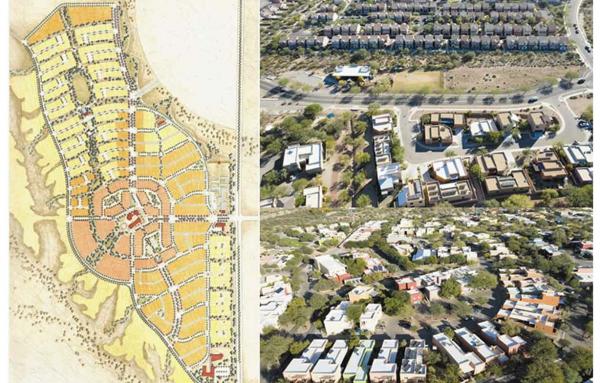
Civano, a new urbanist town in Tucson, Arizona, provides a useful model for how three-dimensional design cuts energy and water use—and also adapts to and mitigates climate change.
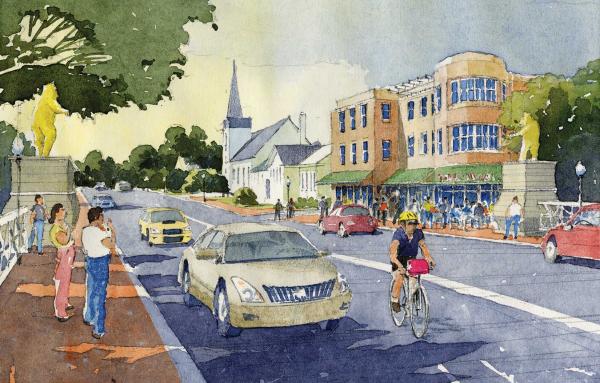
Macon, Georgia, has been transformed by the Master Plan for Beall’s Hill, which helped tear down the walls between Mercer University and a disadvantaged neighborhood.
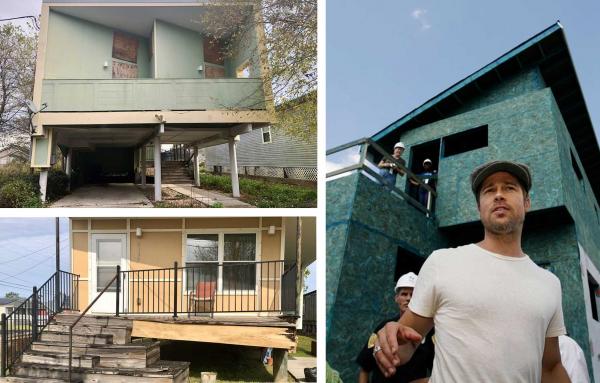
Brad Pitt violated the cardinal architectural rule since Pruitt-Igoe: Do not experiment on the poor. Others, such as Habitat for Humanity and new urbanists, were far more successful in New Orleans.
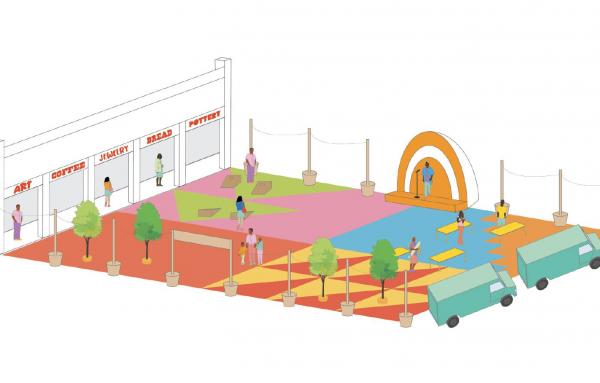
The diverse Global District is the focus of a tactical event and long-term planning to promote main street character in a sector of strip malls and arterial roads.
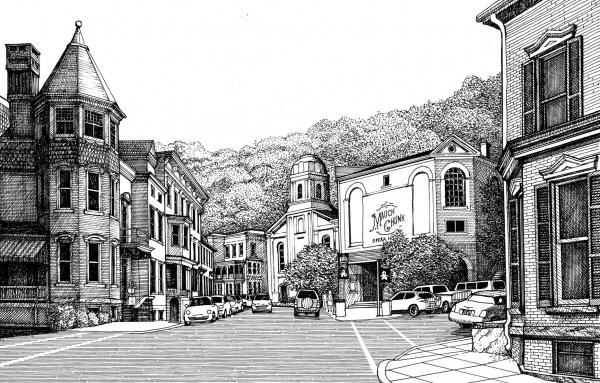
With a little love and attention, towns may play a key role in settling climate migrants and balancing urban development in the 21st Century.
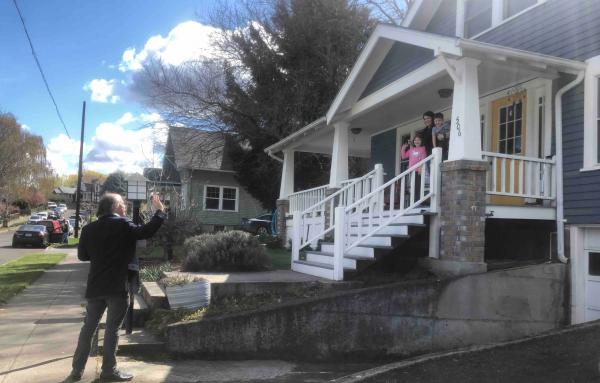
As we learn to live with COVID-19, it’s time to draw important lessons for city-making. We can do so at CNU 30 in Oklahoma City, and at the 58th IMCL in Paris.
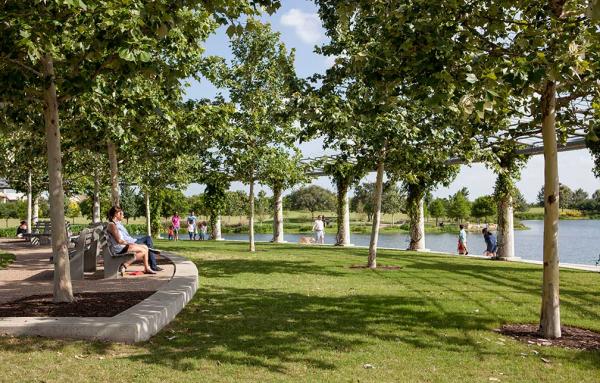
The redevelopment of a 700-acre municipal airport in Austin is the reality of what quality development can be, if America embraces good planning and urban design.
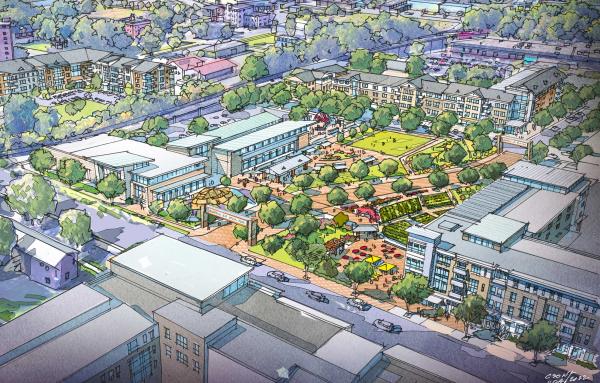
In Syracuse, New York, the relocation of I-81 creates opportunity for replacing public housing with a mixed-use, mixed-income neighborhood.

Core cities are losing population to the suburbs, but the 2020s will not repeat the last half of the 20th Century. The suburbs are bound to urbanize.
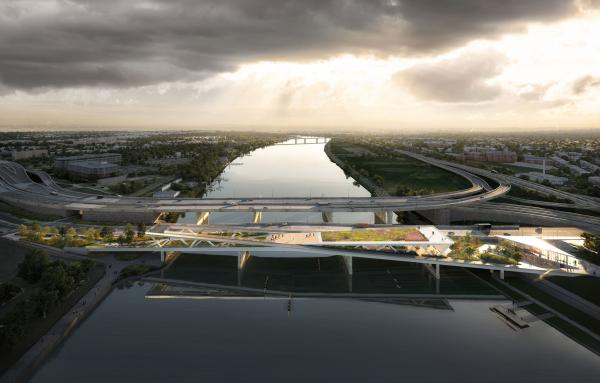
The deliberative engagement process used by the 11th Street Bridge Park in Washington, D.C. shows how community revitalization can benefit existing residents.
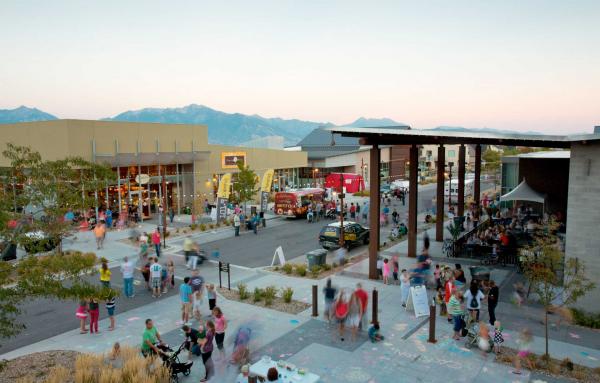
CNU’s Project for Code Reform is filling a need for incremental code reform and furthering statewide programs to remove barriers to inclusive communities.
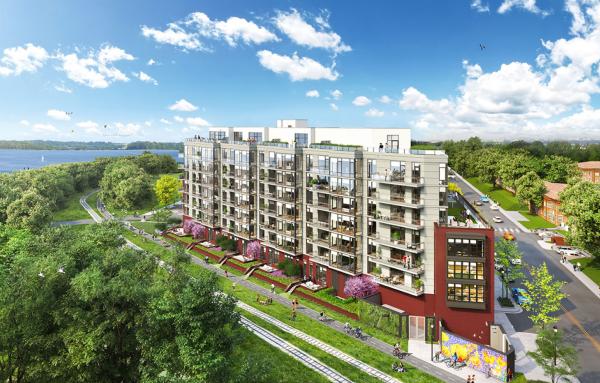
“Ambiguous and composite buildings” solve multiple urban design problems through a flexible approach to building form and architectural language.