If Missing Middle Housing is to be built at a scale that will go far toward solving our housing problems, we need regional thinking and this toolkit fits the bill.
Let's put production housing to work solving the housing crisis.
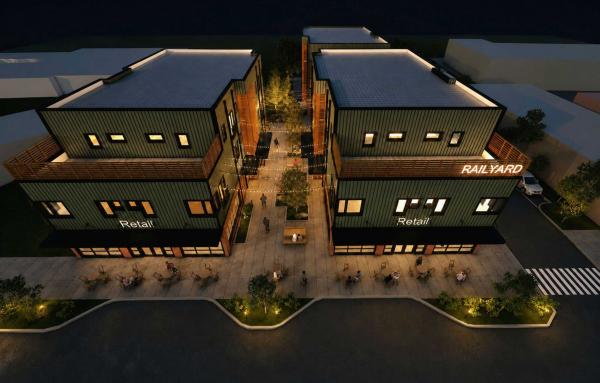
The Railyard in Lexington, Kentucky, is a case study in how a novice developer can take a significant project from concept to construction.

Author's note: My first visit to the Pantheon was fifty years ago. In the decades since, I have returned many times, and with each visit this extraordinary work of architecture and urbanism continues to reveal something new. I have drawn and studied...

The requirement to be efficient and economical, and to minimize financial risk, has contributed to the character of the Charter Award Grand Prize-winning town of Seabrook.

A transformative transportation technology, eVTOLs, is coming soon, which is the reason behind The Village Project.
Features
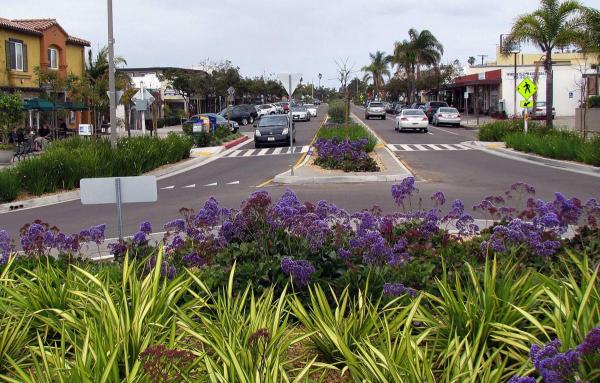 Streets
 Five scenarios that make street transformation possible
Why street design has not kept pace with automotive safety improvements, and what you can do about it.
 Transit, TOD
 Ten steps toward autonomous urbanism
Here's a playbook for municipal leaders and citizens on the road to smart city technology.
Better Cities & Towns Archive
After many years on the drawing boards and
After many years on the drawing boards and in permitting, Haymount in Caroline County, Virginia, is preparing for rapid development, according to...
Cleveland postwar suburb gets a center
The first phase of Cornerstone, a $60 million town center in Parma Heights, Ohio, will open late this year or early in 2005. Anchored by Claire’s...
The manual for tactical placemaking
A new book covers an emerging trend: Citizens experience urban placemaking in real time, building support for more livable communities in the long...
Charter Awards calls for submissions
New award highlights second generation of the New Urbanism.
Attention architects, developers, and planners: CNU's inaugural Charter Awards want your...
Great Ideas