Streets
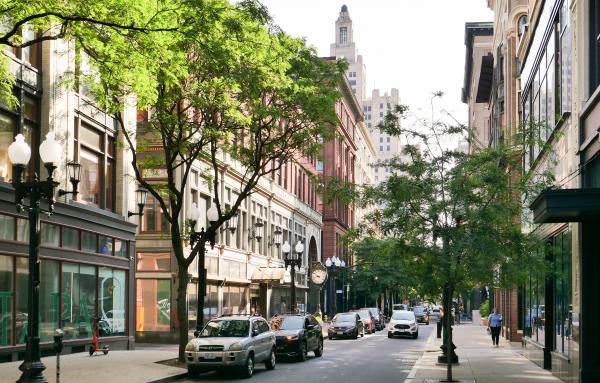
Cities should be designed around what is most permanent, especially streets, where the stakes of getting them right are highest.
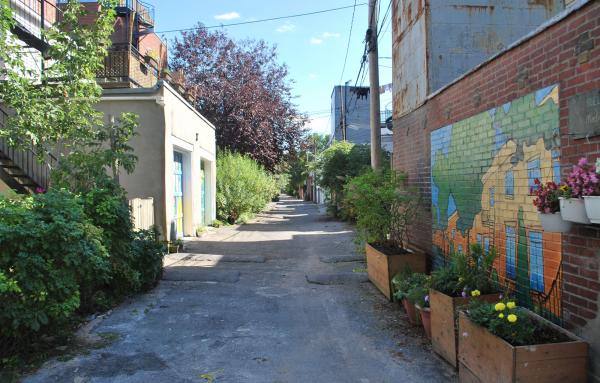
Many cities undervalue rear alleys and lanes. Some are allowing these public rights-of-way to revert to private ownership. This is a mistake, as the recent surge in ADU development demonstrates.
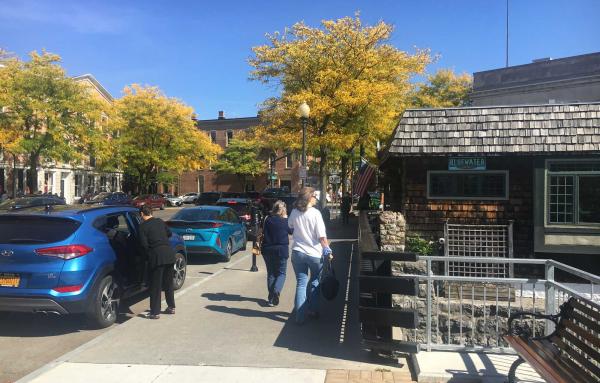
A town near me is looking to build a mixed-use waterfront village—a street plan could be the key to achieving that goal.

Today, just for fun, I offer a slight twist on an age-old question.
The question above was posed on an urbanist listserve, and this was my answer: Because chickens can't drive.
Stroads are dangerous and unpleasant; no proverbial chicken would...
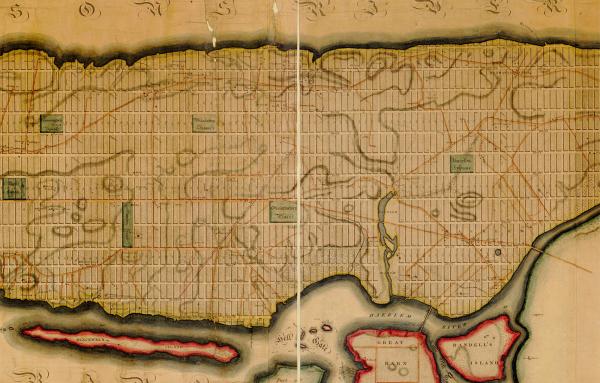
The history of master street plans, why they enable the richness and diversity of incremental development, and how they are being applied today—reported on CNU's On the Park Bench.
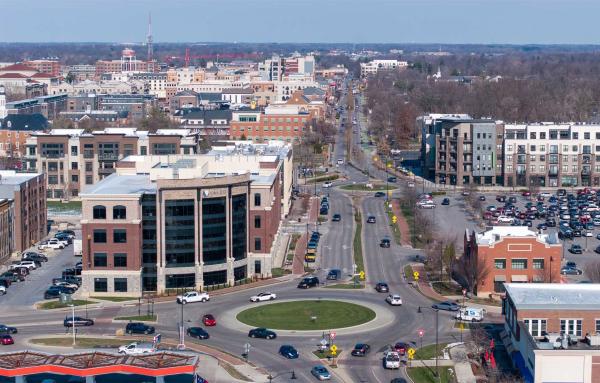
Carmel, Indiana, has been called the “roundabout city.” It has also built a major downtown from scratch in the last quarter-century. These two facts are related.
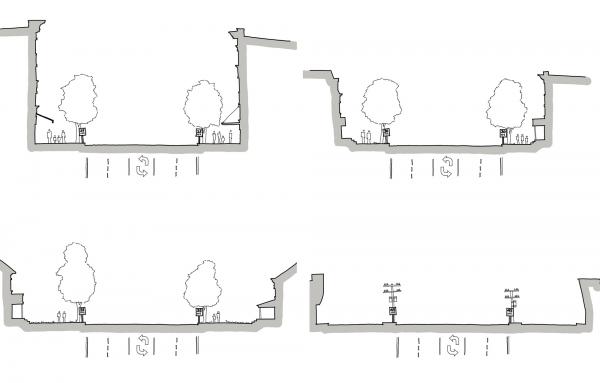
Don’t accept a one-size-fits-all street design for your city or town, or a highway design for your Main Street. Street designs that fit the context lead to better neighborhoods and communities.
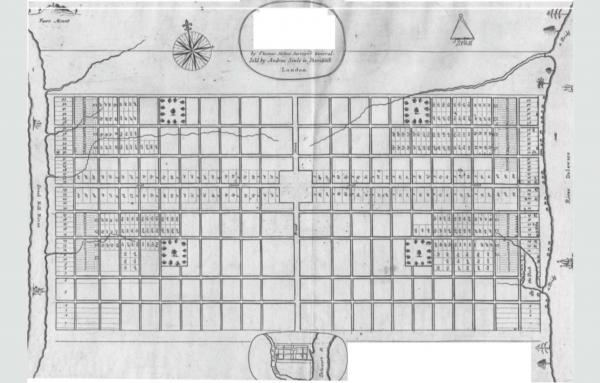
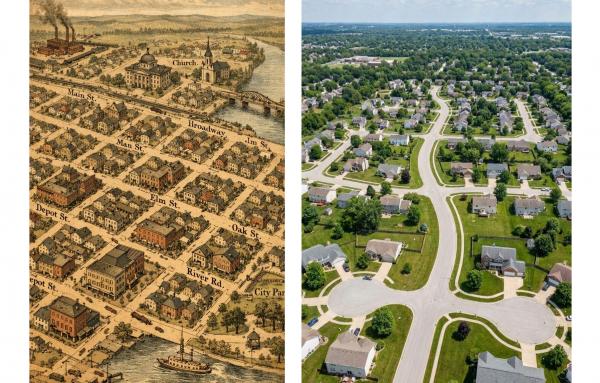
Why wouldn't you design every city plan and every suburb with a tightly connected pattern of streets and blocks?
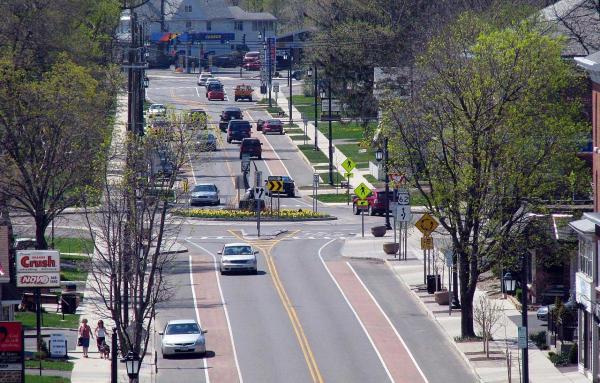
The Complete Streets movement has largely failed in practice, but a focus on networks and context could make it more effective.
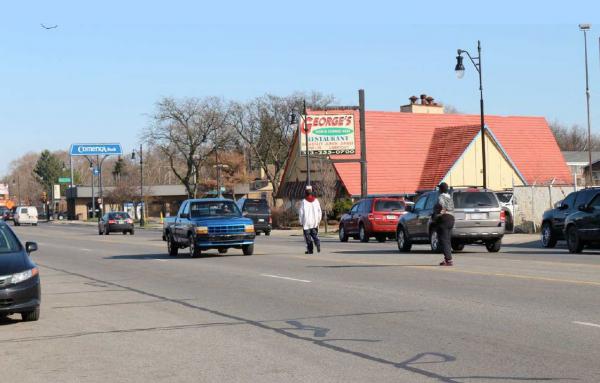
A relatively small number of locations account for a large share of pedestrian mortality; we know what to do, so let's do something about it.
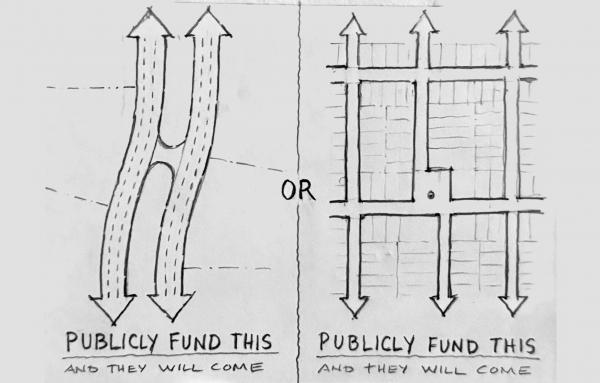
A postcard sketch competition asked Urban Guild members to draw some ideas in a few minutes during an evening gathering at the Guild Summit in Chattanooga in late October. The members include architects, urban designers, and other urbanists.