RECENT ARTICLES – 2026
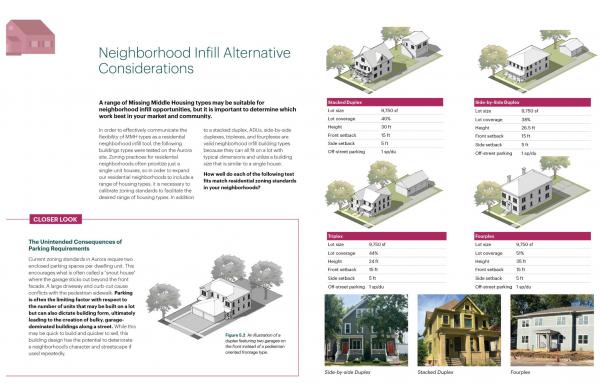
If Missing Middle Housing is to be built at a scale that will go far toward solving our housing problems, we need regional thinking and this toolkit fits the bill.
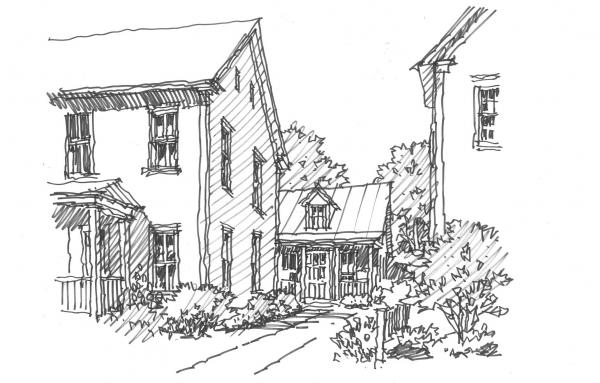
Let's put production housing to work solving the housing crisis.
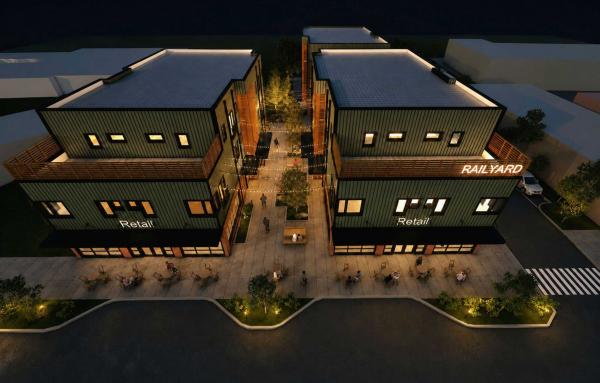
The Railyard in Lexington, Kentucky, is a case study in how a novice developer can take a significant project from concept to construction.

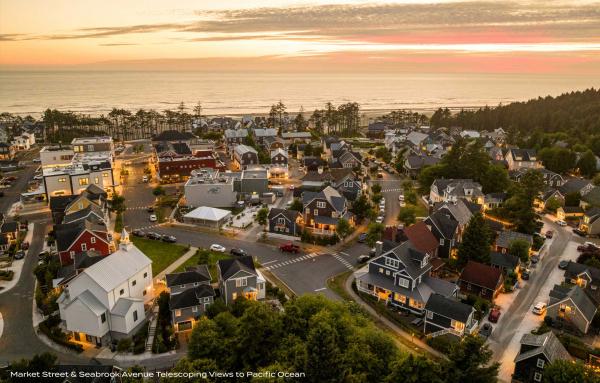
The requirement to be efficient and economical, and to minimize financial risk, has contributed to the character of the Charter Award Grand Prize-winning town of Seabrook.
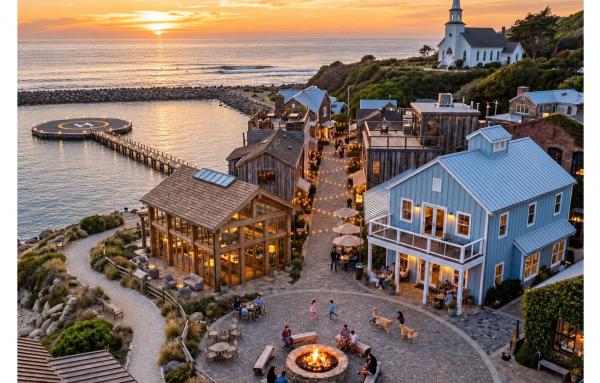
A transformative transportation technology, eVTOLs, is coming soon, which is the reason behind The Village Project.
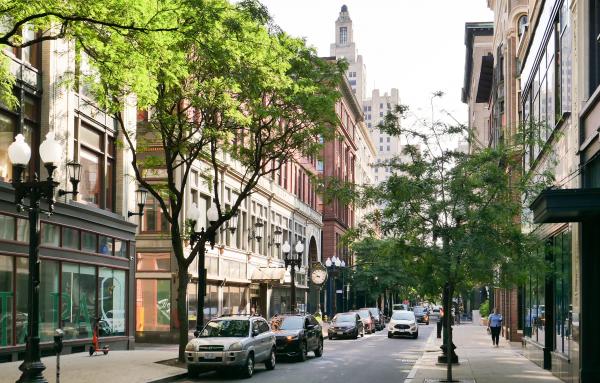
Cities should be designed around what is most permanent, especially streets, where the stakes of getting them right are highest.
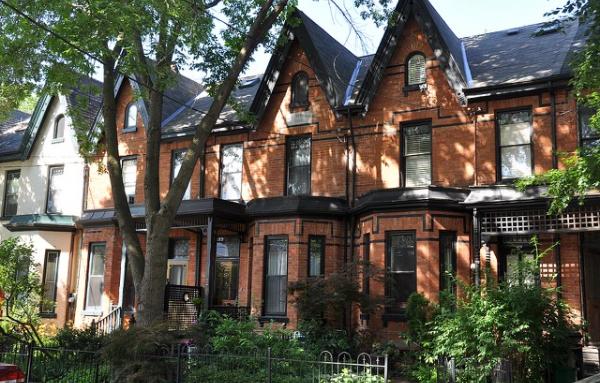
The threat is not modern architecture. It is losing fine-grained urban structure while preserving enough historic vocabulary to make the loss look compatible.
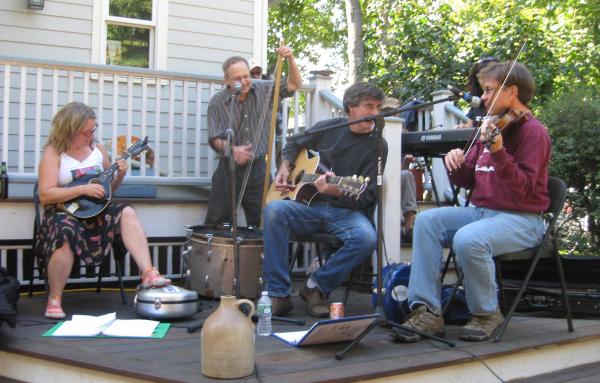
If not for COVID, it would have been the 20th annual Porchfest in Ithaca. The event offers lessons for urbanism.
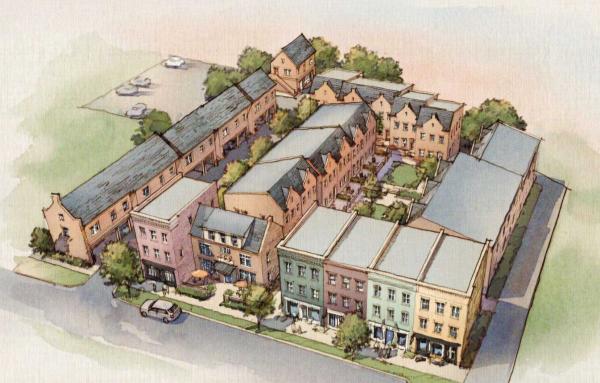
A series of small, diverse developments in Edmond, Oklahoma, is building on the idea of inner-block urbanism.
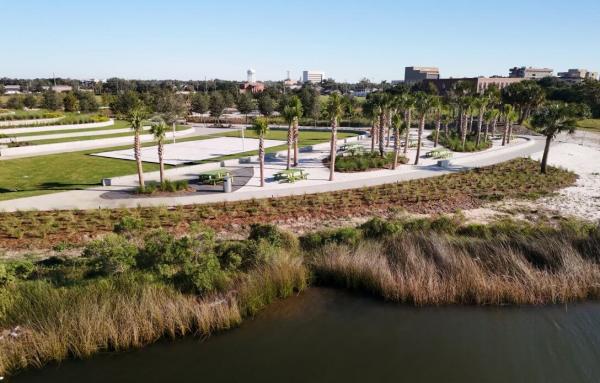
“Amenity” is not a neutral description. It is an accounting decision—and Pensacola shows what a wider ledger can build.
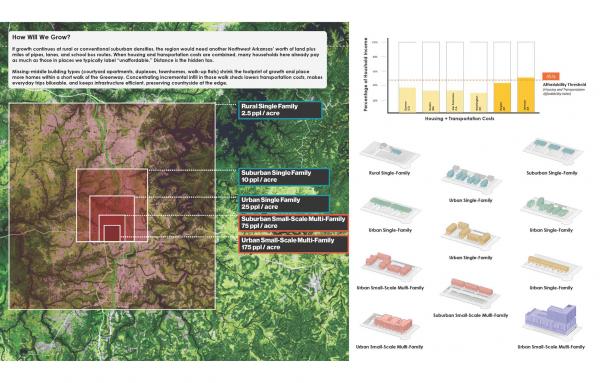
Northwest Arkansas needs more infill and better-designed greenfield growth to improve the lives of its citizens, as its population expands to a million residents by 2050. How to achieve that is the issue.