Charleston designs the future of affordable housing


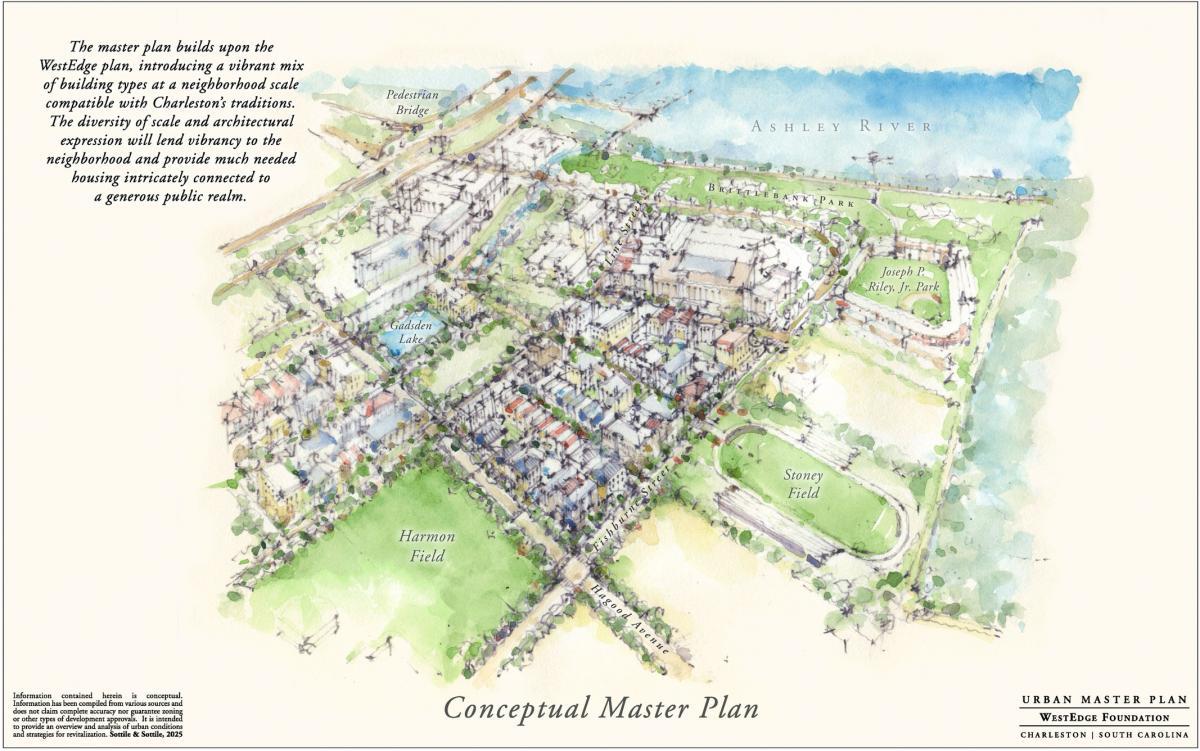
Charleston, South Carolina, recently unveiled a potentially groundbreaking strategy to build thousands of pre-designed, permitted affordable housing units on city-owned land. The city is working with Savannah-based Sottile & Sottile on urban design and British architects Ben Pentreath and Hugh Petter, all of whom have won CNU Charter Awards. There are four guiding principles to the project:
- No displacement
- Ensuring beauty
- Eliminating as much risk as possible
- Bringing in economies of scale
“It is a very ambitious endeavor, but it is grounded in reality,” said Mayor William Cogswell of Project 3500, described as the largest affordable housing program in the City’s history. It is not a conceptual framework or aspirational plan, the City emphasized, but “a fully executable affordable housing strategy that identifies, with precision, exactly where every new affordable unit will be built.” It comes with detailed, site-specific plans, located in federal Opportunity Zones, driven by private capital, and executed in partnership with the US Department of Housing and Urban Development.
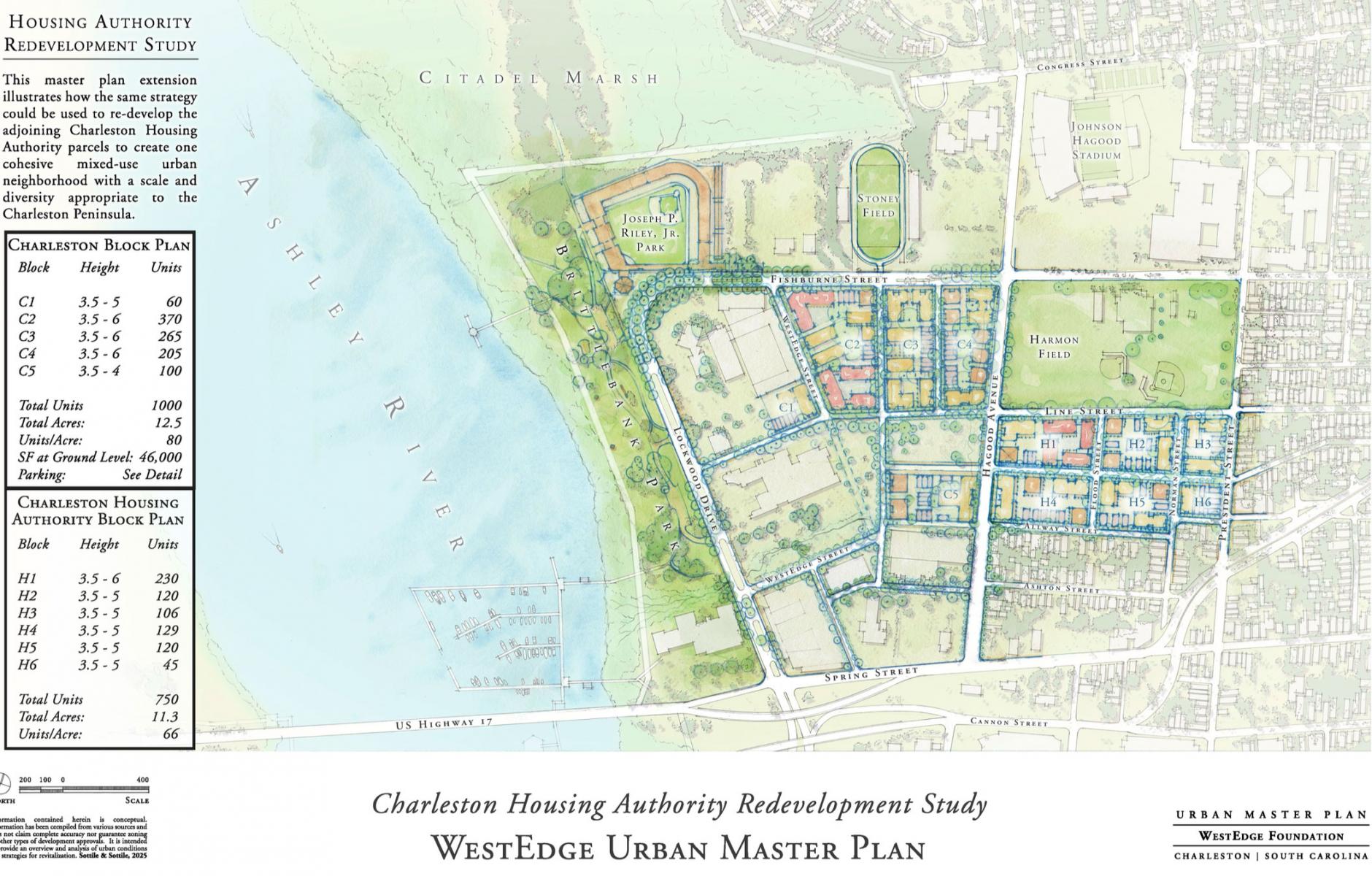
Cogswell, a former developer, has a master's degree in real estate development from the Columbia Graduate School of Architecture, Planning, and Preservation. Project 3500 refers to 3,500 affordable housing units by 2032, with an additional 2,000-plus units of market-rate housing, for a total of 5,500-plus units on 100 acres owned by the housing authority.
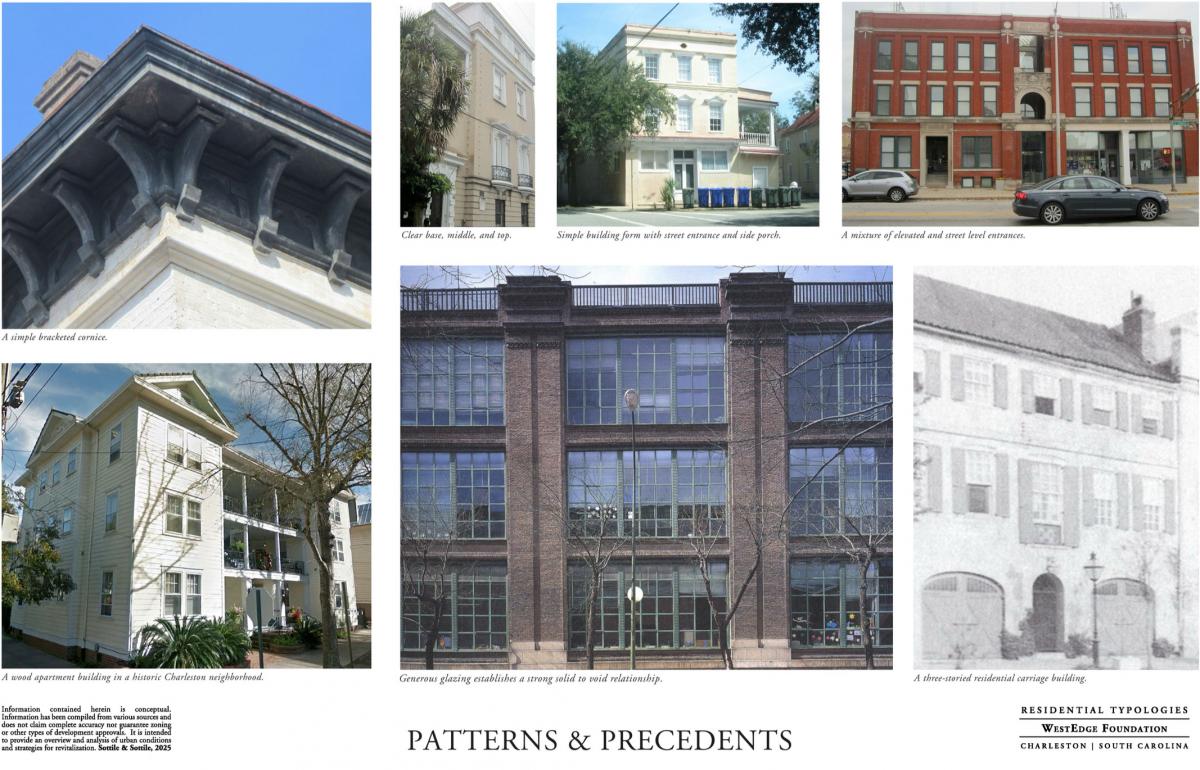
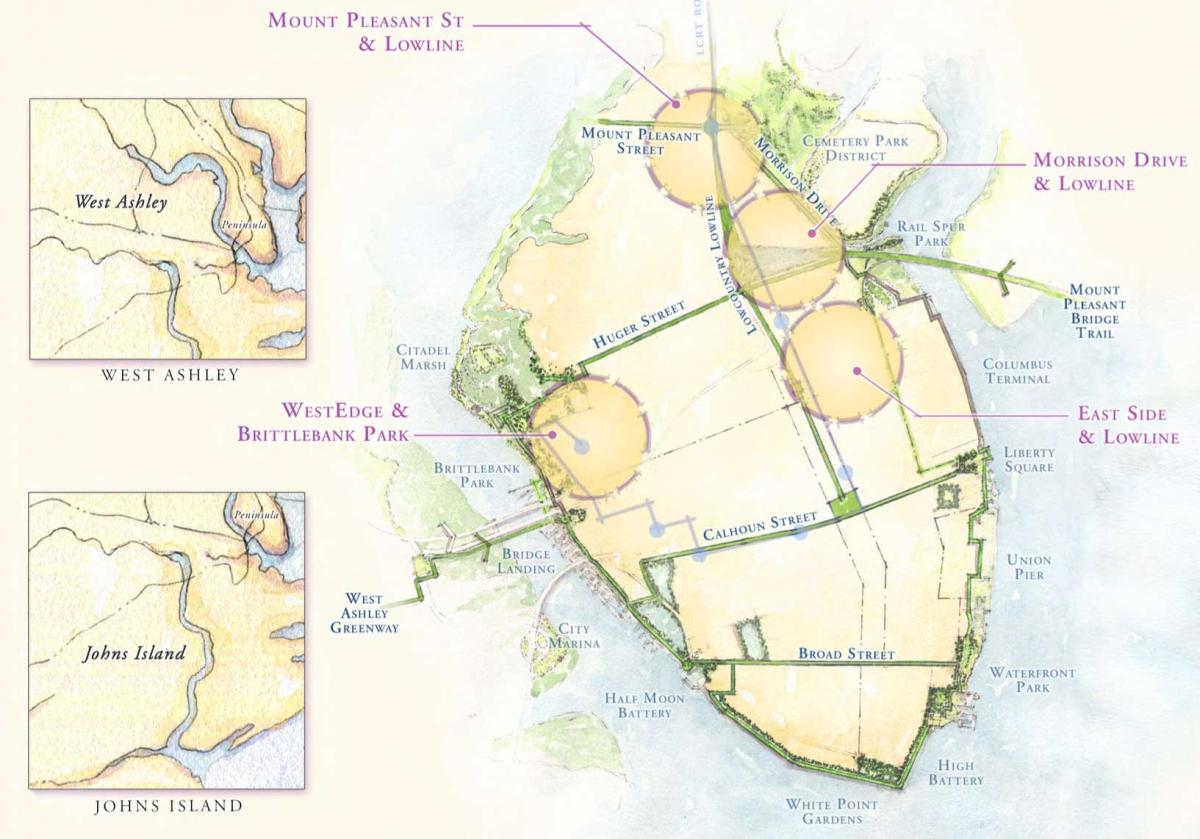
This strategy involves the City designing six sites using architecture from Charleston’s Classical tradition—and then obtaining all necessary permits, including HUD approvals. Four of the sites are on the historic peninsula. When federal funds are involved, the US Department of Housing and Urban Development must sign off on multiple aspects of a project, including site design, unit types, environmental impact, and more. Also, the state is involved through its approval of Low-Income Housing Tax Credit (LIHTC) financing. Ordinarily, the design and multiple layers of bureaucratic approvals follow the selection of a developer for the project, which adds risks, costs, and time.
“We haven't seen it done in the history of the country that we could find,” says the City. The project was described as a “modified modern version of HOPE VI,” the 1990s public housing redevelopment program that used New Urbanist design and replaced dysfunctional projects with mixed-income neighborhoods. A major Harvard study recently found that HOPE VI improved upward mobility and reduced intergenerational poverty among children who grew up in public housing.
The City elaborated on what it calls a “nationally unprecedented approach.” For the first time, “the City of Charleston will not issue RFPs involving vacant land in its traditional form. Instead, the City will fully pre-entitle every Project 3500 site before any Request for Proposal (RFP) is issued. This means that at the moment of RFP release, every site will have already received site permits, Board of Architectural Review (BAR) approval for every building, and building permits for all planned residential units. Every site will be literally shovel-ready on the day the RFP is issued.”
Three advantages
Project 3500 eliminates development risk by completing all entitlements in advance, removing the uncertainty and cost associated with the development review process, according to the City. Second, it eliminates timeline risk: because regulatory approvals are secured, developers can move directly from award to construction, potentially saving 2-4 years per project, the City explains. Third, and most critically for capital formation, it allows developers to bring their capital sources to the table immediately upon award. “Equity investors, lenders, and tax credit syndicators can underwrite completed projects rather than speculative entitlements—dramatically improving access to capital and reducing financing costs across the entire portfolio,” the City notes.
Problem to overcome
The city has enlisted HUD’s help in working with the state to acquire LIHTC financing. “The Charleston Housing Authority has been denied South Carolina LIHTC allocations for five consecutive years due to the high per-unit cost of peninsula redevelopment compared to inland markets,” the City says. “This is a structural inequity in state credit allocation that systematically disadvantages dense urban infill projects with higher land costs.”
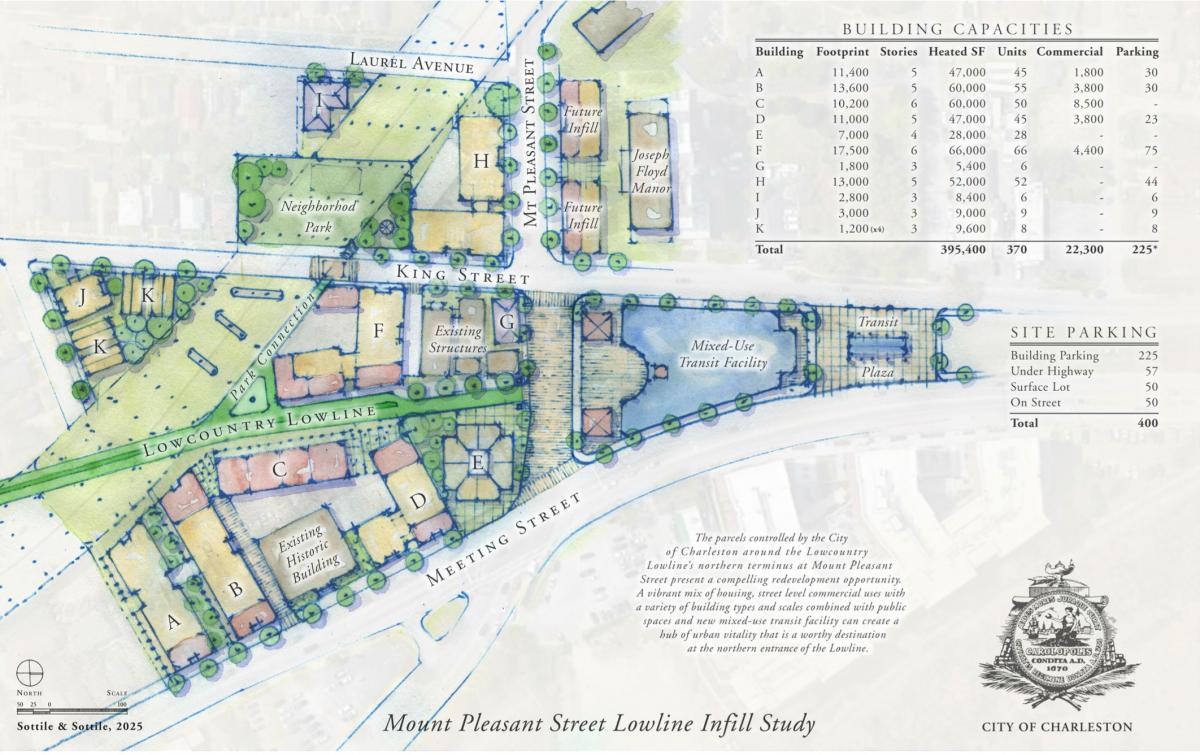
Charleston has a clear preference for Classical architecture and has brought in designers with extensive experience working with King Charles on acclaimed Duchy of Cornwall developments, including affordable housing. The City's approach is “unapologetically Classical.”
There’s nationwide interest in being part of this project, the City says. “The downtown historic district is a difficult market to enter,” one official noted. “A lot of the national institutional developers are missing that address in their shopping bag.”
To put this in historical context, HOPE VI created a New Urbanist design approach for public housing from the 1990s through 2012. That was succeeded by the smaller Choice Neighborhoods program, which also used New Urbanist design, required one-to-one replacement, and added some other features related to improving whole neighborhoods. Project 3500 uses the New Urbanist design and whole-neighborhood approach, and adds turnkey design and permitting by the City, in partnership with HUD.
Martin believes this will be a replicable model for other cities.