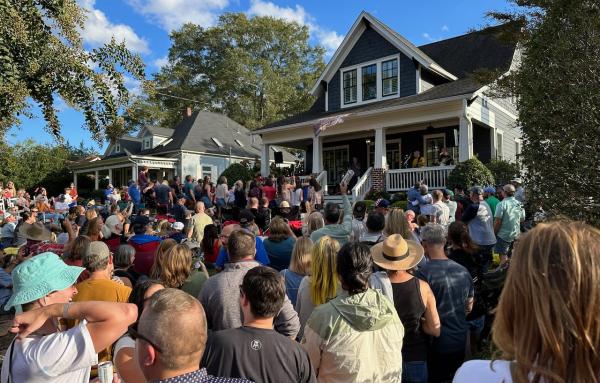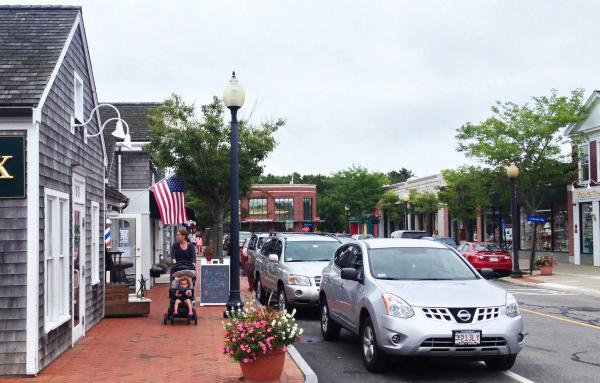

The towns along 30A in Walton County, Florida, have inspired many New Urbanist emulators, including Cinnamon Shore in Port Aransas, Texas. Cinnamon Shore is a series of walkable urban developments along State Highway 361 on Mustang Island and is not...
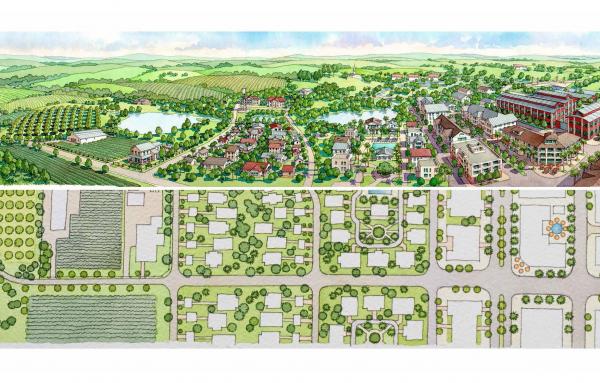
Amid a shift to a new website platform, CNU seeks to establish a comprehensive database of new urbanist developments to be used by academics, professionals, and students.
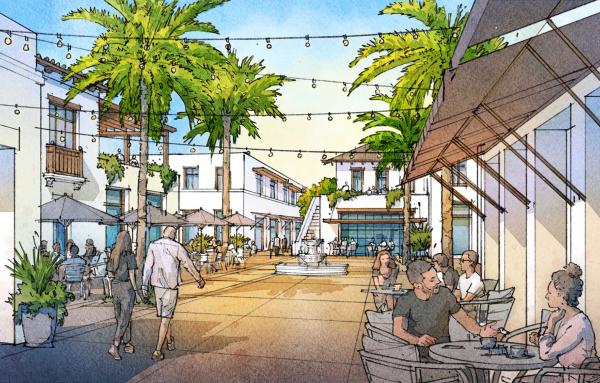
A new BRT line brings transit to an underdeveloped central district with ample frontage for development.

Architect Steve Mouzon is one of the most prolific photographers of urban places, particularly New Urbanism. It’s not easy to take a photo that makes you feel like you are inside, or want to be inside, a great place. This is a photo of the Entry...
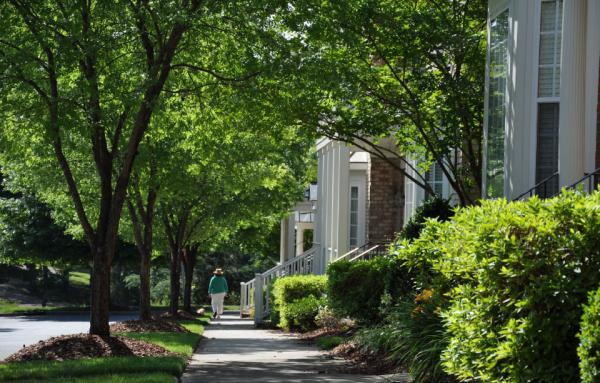
A nationwide Realtors survey reveals that a majority of Americans prefer a walkable neighborhood, and they are willing to pay for it. That tracks with higher values in highly walkable neighborhoods.
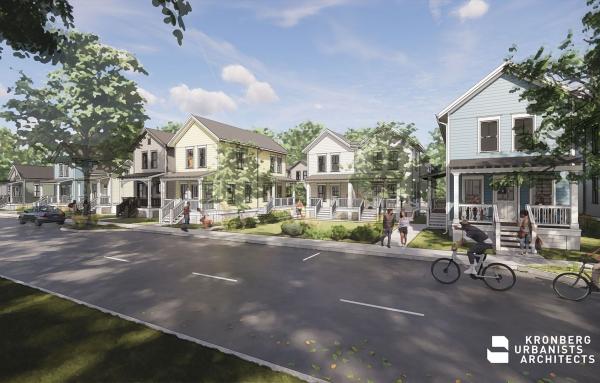
The Reynolds Cottages are a good example of missing middle housing, reusing a vacant block in Brunswick, Georgia.
Features
 Streets
 Five scenarios that make street transformation possible
Why street design has not kept pace with automotive safety improvements, and what you can do about it.
 Transit, TOD
 Ten steps toward autonomous urbanism
Here's a playbook for municipal leaders and citizens on the road to smart city technology.
Better Cities & Towns Archive
In Paris, a motorist with a cellphone or GPS will be able to find parking
In Paris, a motorist with a cellphone or a GPS navigation device will soon be able to find out whether there’s a parking garage nearby that has space...
Joe Barnes, recently general manager of I’On,
Joe Barnes, recently general manager of I’On, and prior to that development manager and town architect at Celebration, has reestablished his...
Name change from “Sunrise,” to "Daybreak"
The name has changed — from “Sunrise,” to “Daybreak” — but the plan for Kennecott Land’s new urban community on 4,300 acres of former mining land in...
The first phase of construction is nearing completion
The first phase of construction is nearing completion in Afton Village, a 170-acre traditional neighborhood development (TND) in Cabarrus County,...
Great Ideas