Cute cottages fit context, landscape, and budget


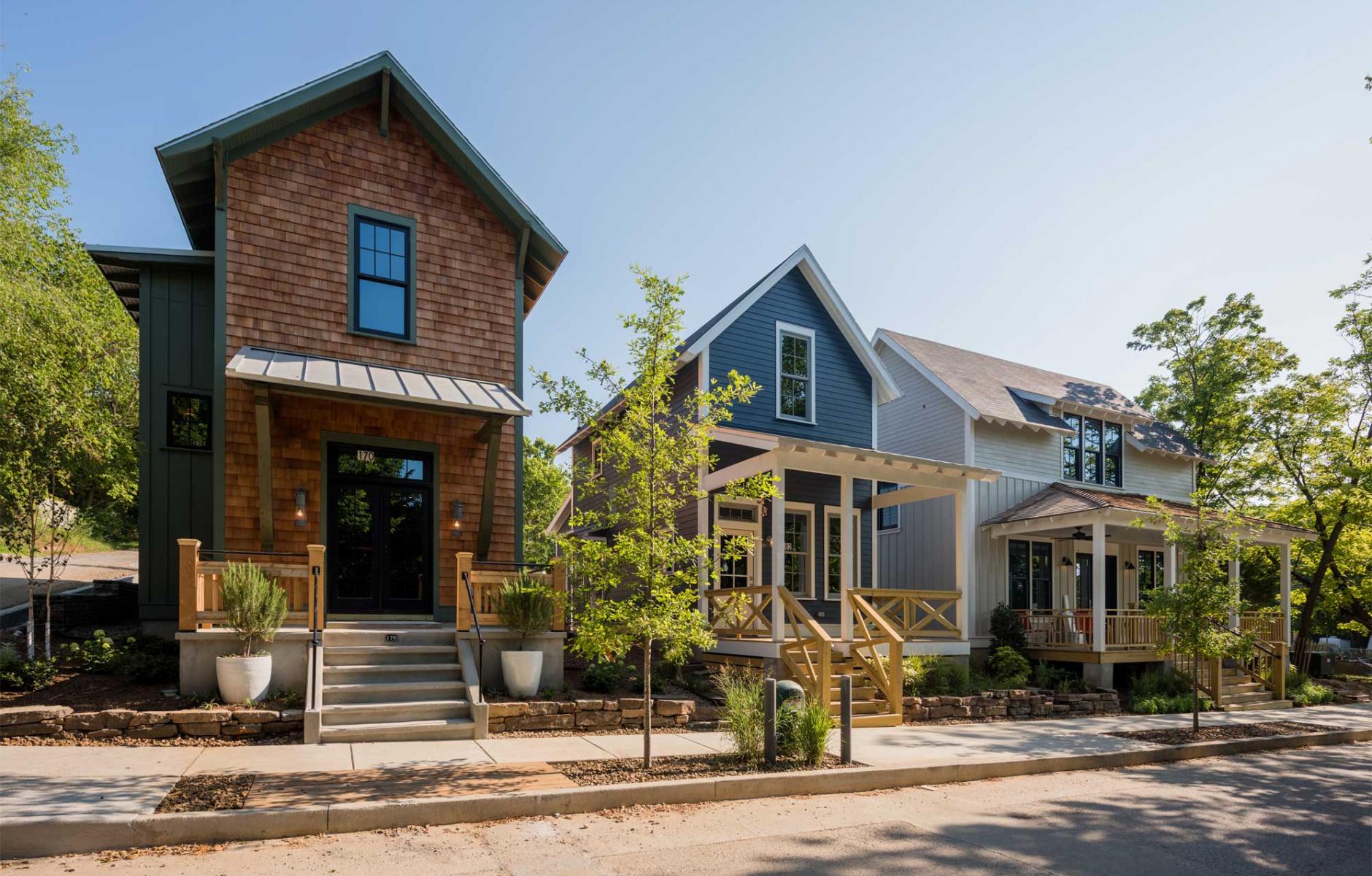
The South Street Cottages in Fayetteville, Arkansas, deliver small-scale, high-quality urban infill. By holistically developing and designing every detail of the neighborhood ensemble—from architecture and interiors to gardens and site planning—they blend quality and efficiency on a site just over an acre. The project uniquely integrates design, sustainability, affordability, and community engagement, six blocks from downtown, earning a 2026 Charter Award from CNU.
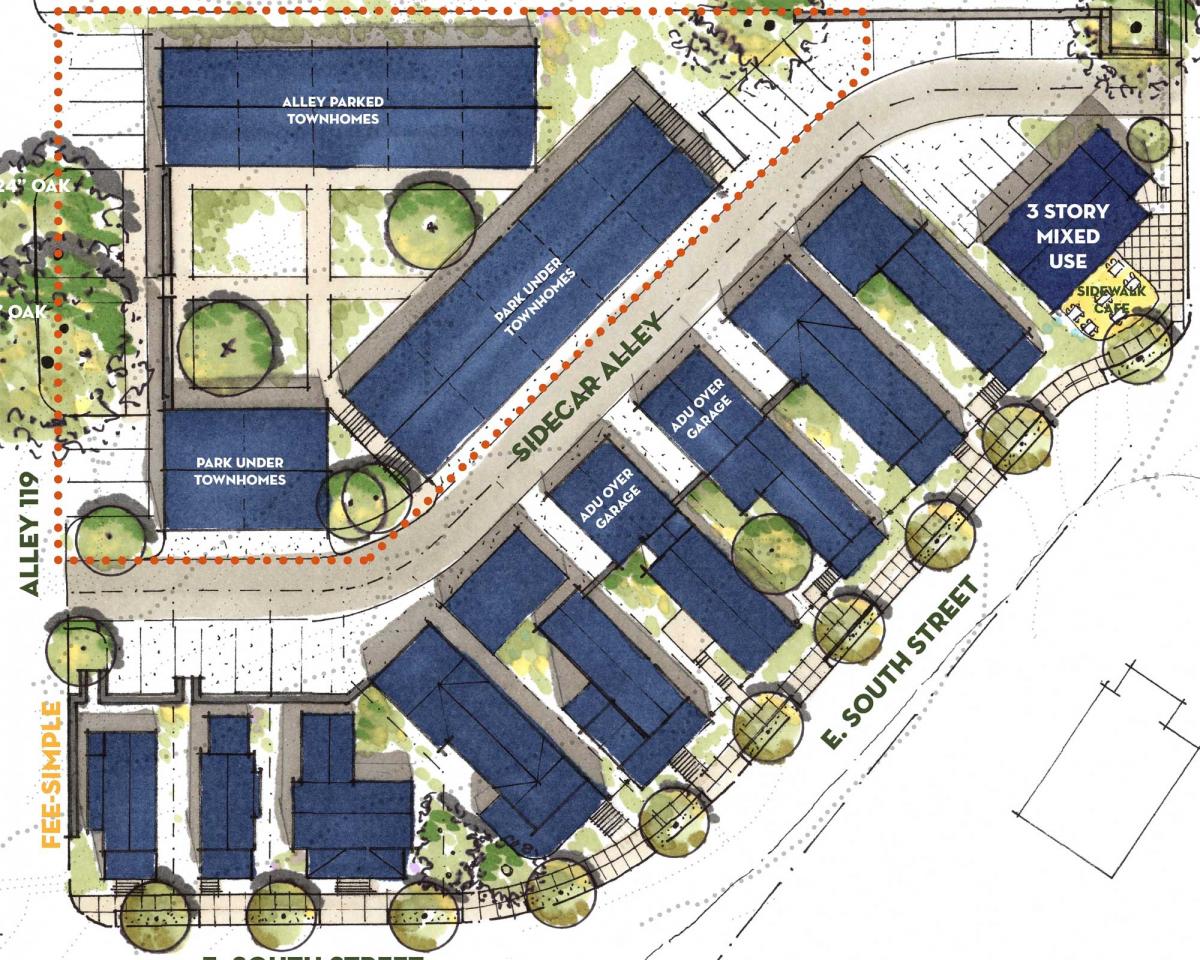
The master plan includes nine cottages of varied size and design, two ADUs (rentable accessory dwelling units), apartments above a retail building, and twelve townhomes. In total, approximately 23 residential units are planned. The first eleven units have been completed in a series of small phases, including a mix of owner-occupied and rental units.
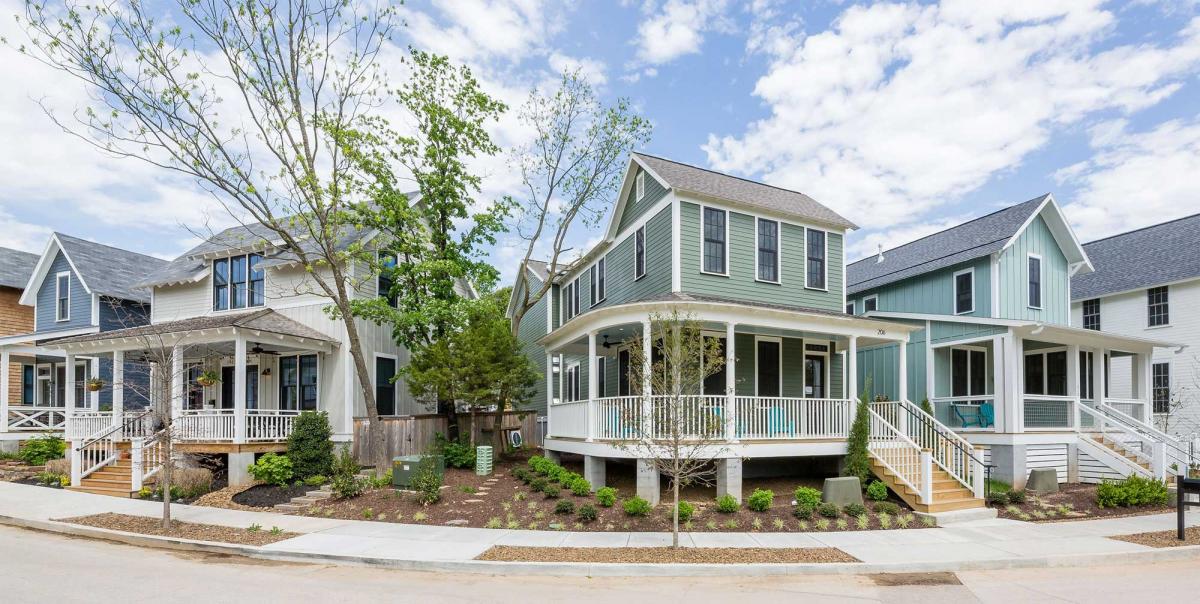
The units range from 576 to 1,950 square feet and house residents of diverse ages and household arrangements. Two of the homes sold for prices that met federal affordability standards for 80 percent Area Median Income, without subsidy, due to their small footprints and focus on constructability. “The project demonstrates forward-thinking affordability, with homes meeting AMI standards without subsidies through thoughtful sizing and cost-effective design,” explains the project team.
The neighborhood’s custom street section promotes walkability, social connections between pedestrians on sidewalks and residents on front porches, and slower traffic speeds. Street tree plantings were informed by data from the Bartlett Tree Laboratory Field Testing for urban tree soil options, resulting in a buildable, low-tech solution that integrates tree-well root paths into adjacent residential landscapes. The meticulous approach provides adequate topsoil space for Overcup Oaks, native to the southeast, yielding nearly double the foliage volume of street-tree plantings elsewhere in the neighborhood, the design team explains. “This low-tech, cost-conscious solution illustrates the Charter of the New Urbanism’s call for stewardship of public space and ecological systems, while also advancing the Canons of Sustainable Architecture and Urbanism, which advocate for urban landscapes that are both resilient and beneficial to human experience,” the team explains.
The urban-to-rural Transect is evident in the small site plan, which includes single-family detached housing, accessory dwelling units, townhouses, and a future mixed-use building on the corner. The parking is handled creatively—much of it is grouped along two alleys that pass through and border the site. The neighborhood already has mixed-use, including a brewery and pub a block away.
“At 20 units per acre, this development is a great reminder that ‘higher density’ can look very gentle and neighborhood-scale,” comments Carla Norris, Transportation Project Manager at AECOM, a multinational infrastructure consulting firm.
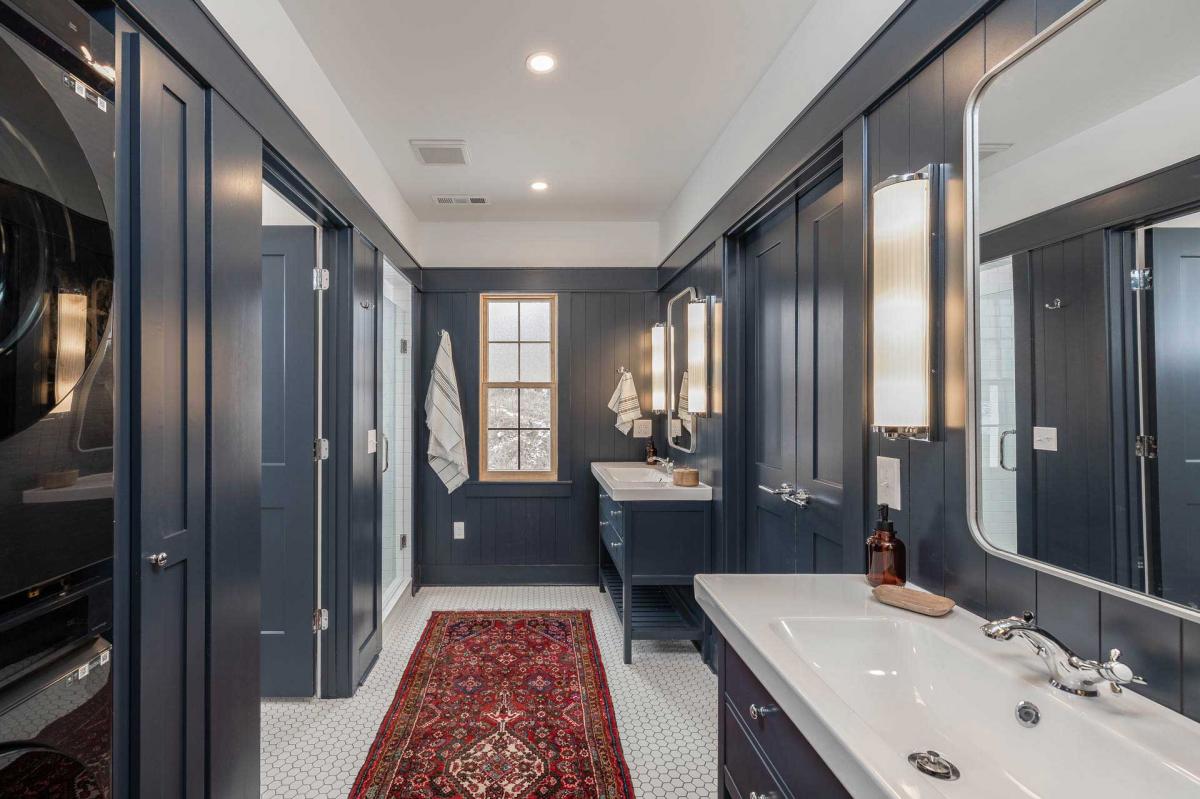
At the building scale, the cottages and townhomes reflect careful attention to proportion, materiality, and adaptability, consistent with the Charter’s emphasis on quality, durable, and context-sensitive design. Building small houses means being thoughtful and efficient about using space. What the interiors lack in square footage, they make up for in design of the main living areas, upstairs, and bathrooms, where woodwork, fixtures, and build-ins make a big difference.
South Street Cottages
- Range Co., Principal firm
- Flintlock Development, Developer
2026 CNU Charter Awards Jury
- Eric Kronberg (chair), Principal, Kronberg Urbanists + Architects in Atlanta, GA
- Majora Carter, CEO of Majora Carter Group in the Bronx, New York City
- Marques King, Studio Director + Senior Architect, Pure Architects, Detroit, MI
- Jeremy Lake, Principal, Union Studio Architecture & Community Design, Providence, RI
- Joanna L. Lombard, Distinguished Professor at the University of Miami School of Architecture, FL
- Rico Quirindongo, Director, City of Seattle Office of Planning and Community Development
- Ashley Terry, Director, President of Development at Pivot Real Estate, Oklahoma City, OK