Meet the 2026 Charter Awards winners


Each year since 2001, the CNU Charter Awards have celebrated the best current work in New Urbanism from around the world. Winning projects highlight exemplary efforts put forth by local governments, developers, lenders, architects, urban designers, community activists, and others engaged in revitalizing cities, towns, neighborhoods, districts and corridors, and metropolitan regions. The award winners this year not only embody and advance the principles of the Charter of the New Urbanism, but also make a positive difference in people’s lives.
79 projects representing 10 countries and 24 states (plus DC) were submitted to the 2026 Charter Awards. The jury, led by Jury Chair Eric Kronberg with Majora Carter, Marques King, Jeremy Lake, Joanna Lombard, Rico Quirindongo, and Ashley Terry selected 15 total winning projects. Learn more about this year’s winners:
Grand Prize
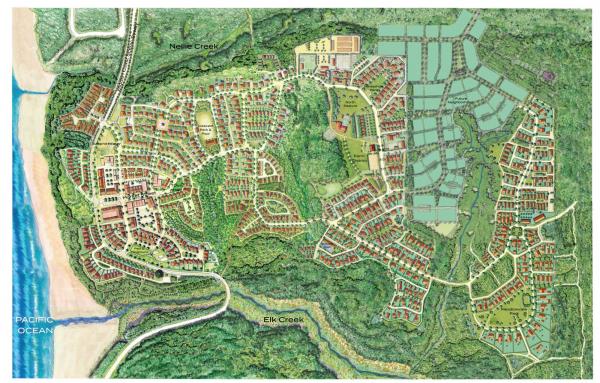
Seabrook, WA - A Rural-to-Urban Regional Town Planning Model
The Neighborhood, The District, and The Corridor
Seabrook Land Company
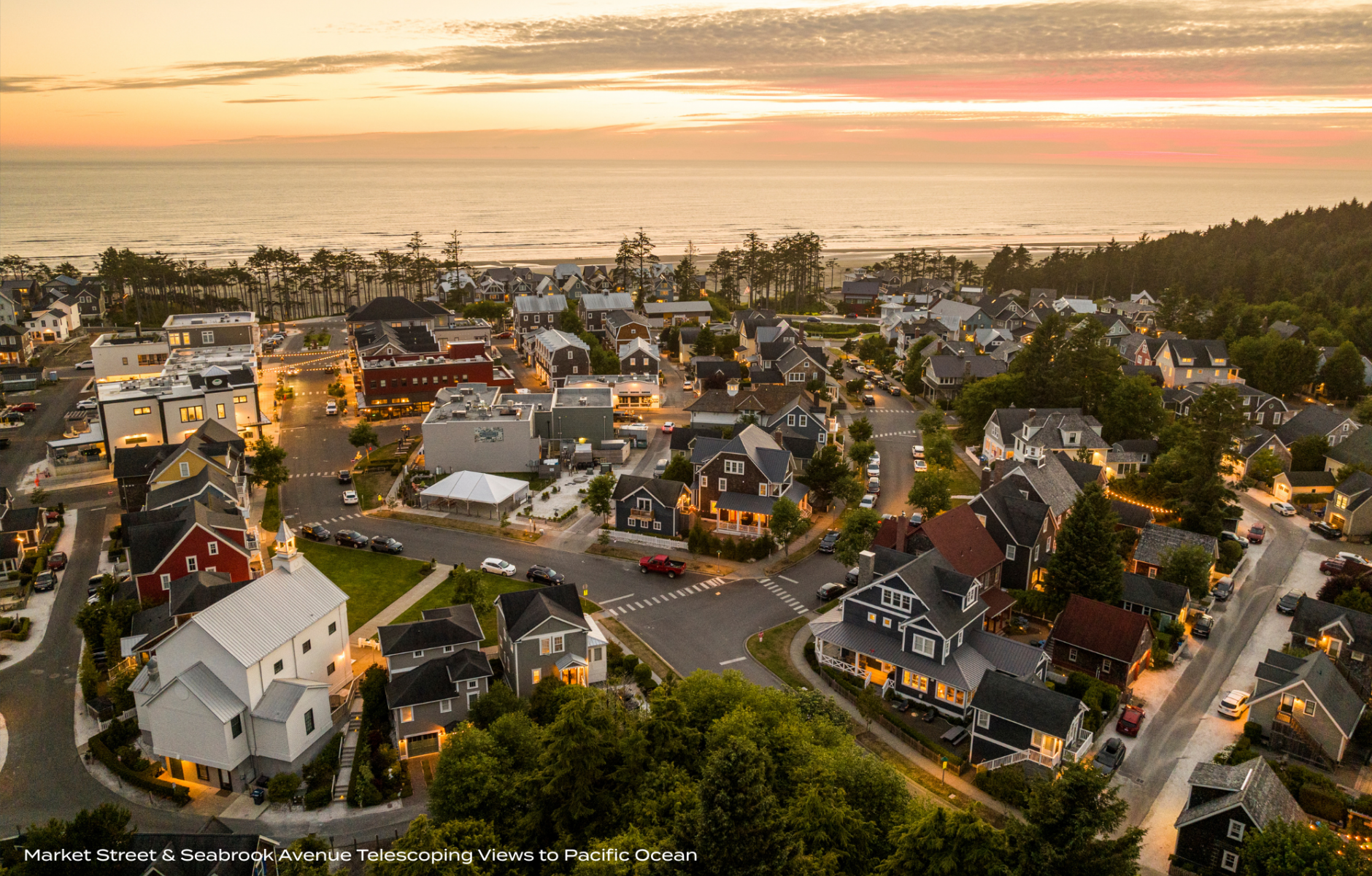
Seabrook, Washington serves as a quintessential model of polycentric regional growth, offering a strategic blueprint for rural-to-urban transformation. From its inception, the town rigorously applied the “Transect" model to shape growth of new neighborhoods as well as existing settlements, all within a polycentric “web” defined by natural features, including managed forests, ocean bluffs, stream corridors, and adjacent farmlands.
Charter Awards
The 1907 Block
The Block, The Street, and The Building
High Street Real Estate and Development
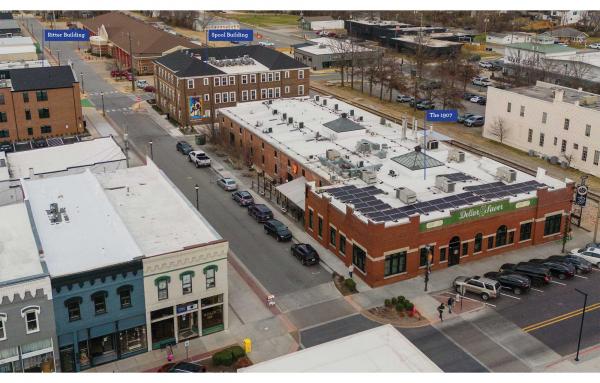
The 1907 Block includes the adaptive reuse of a 118-year-old warehouse grocery, The 1907 Building, plus two newly designed apartment buildings designed to fit comfortably into the fabric and style of downtown Rogers, Arkansas. With a total developed cost of just over $180 per sf, the project’s community impact exceeded expectations.
Belle Gardens
The Block, The Street, and The Building
David Cunningham Architecture Planning Pllc
The Belle Gardens development restores thirteen infill sites spread along a fifteen-block spine in the Bedford Stuyvesant neighborhood in Brooklyn, New York. The proposed buildings operate as a "missing middle" housing typology and create three times the number of affordable units originally planned for the sites.
South Street Cottages
The Block, The Street, and The Building
Range Co. and Flintlock Development
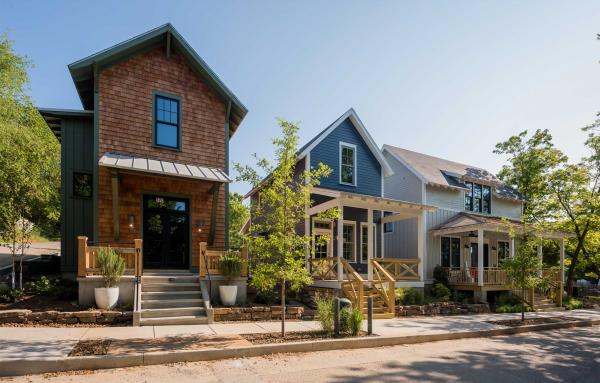
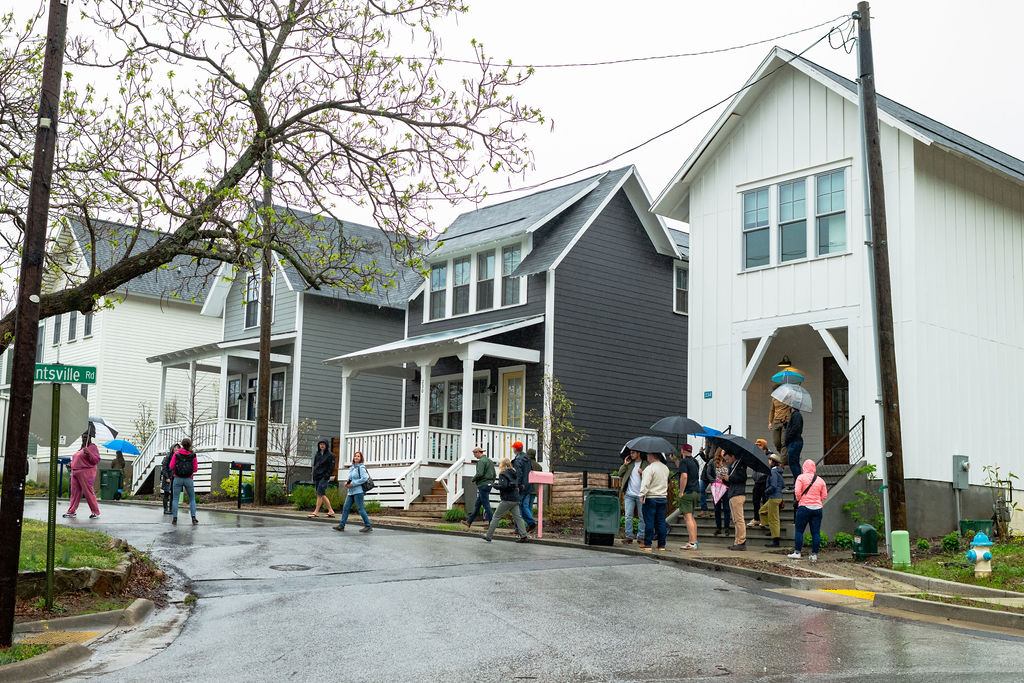
The South Street Cottages neighborhood is a walkable infill development just six blocks southeast of the Fayetteville Downtown Square in Fayetteville, Arkansas. The master plan includes nine cottages, two ADUs, twelve townhomes, and a corner retail building with apartments above.
Jackson WY Teton County Northern South Park Neighborhood Plan and Code
The Neighborhood, The District, and The Corridor
Opticos Design
The Northern South Park Neighborhood Plan establishes a vision and new zoning for a 225-acre site at the southern edge of Jackson, Wyoming under Teton County jurisdiction. This effort combined design with financial modeling to create a plan that met city and county goals while remaining viable for property owners.
The New "Cité-Jardins" - Le Plessis-Robinson
The Neighborhood, The District, and The Corridor
Atelier XAVIER BOHL
The New Cité-Jardins Project embodies an ambitious urban vision that offers a contemporary and innovative interpretation south of Paris, France. At a time when climate and social challenges demand bold solutions, the project offers a replicable and inspiring model, where urban planning becomes a lever for social and ecological transformation.
Razorback Greenway Corridor Plan
The Region: Metropolis, City, and Town
Field Operations, Blockwright
The Razorback Greenway Corridor Plan reframes a 40-mile multi-city trail into the organizing regional spine for Northwest Arkansas. Built in just a decade across seven cities and three watersheds, the Greenway places 230,000+ residents within a 15-minute ride and has anchored $38M+ in connected-mobility investment.
Sacramento CA Citywide Missing Middle Strategy
The Region: Metropolis, City, and Town
Opticos Design
Sacramento’s Citywide Missing Middle Housing Strategy is a nationally significant initiative aimed at addressing housing affordability, displacement, and equity through inclusive, context-sensitive zoning reform. It eliminates single-family zoning citywide and legalizes small-scale multi-unit housing in every neighborhood.
Merit Awards
Basalt Downtown Streetscape & River Park
The Block, The Street, and The Building
Connect One Design
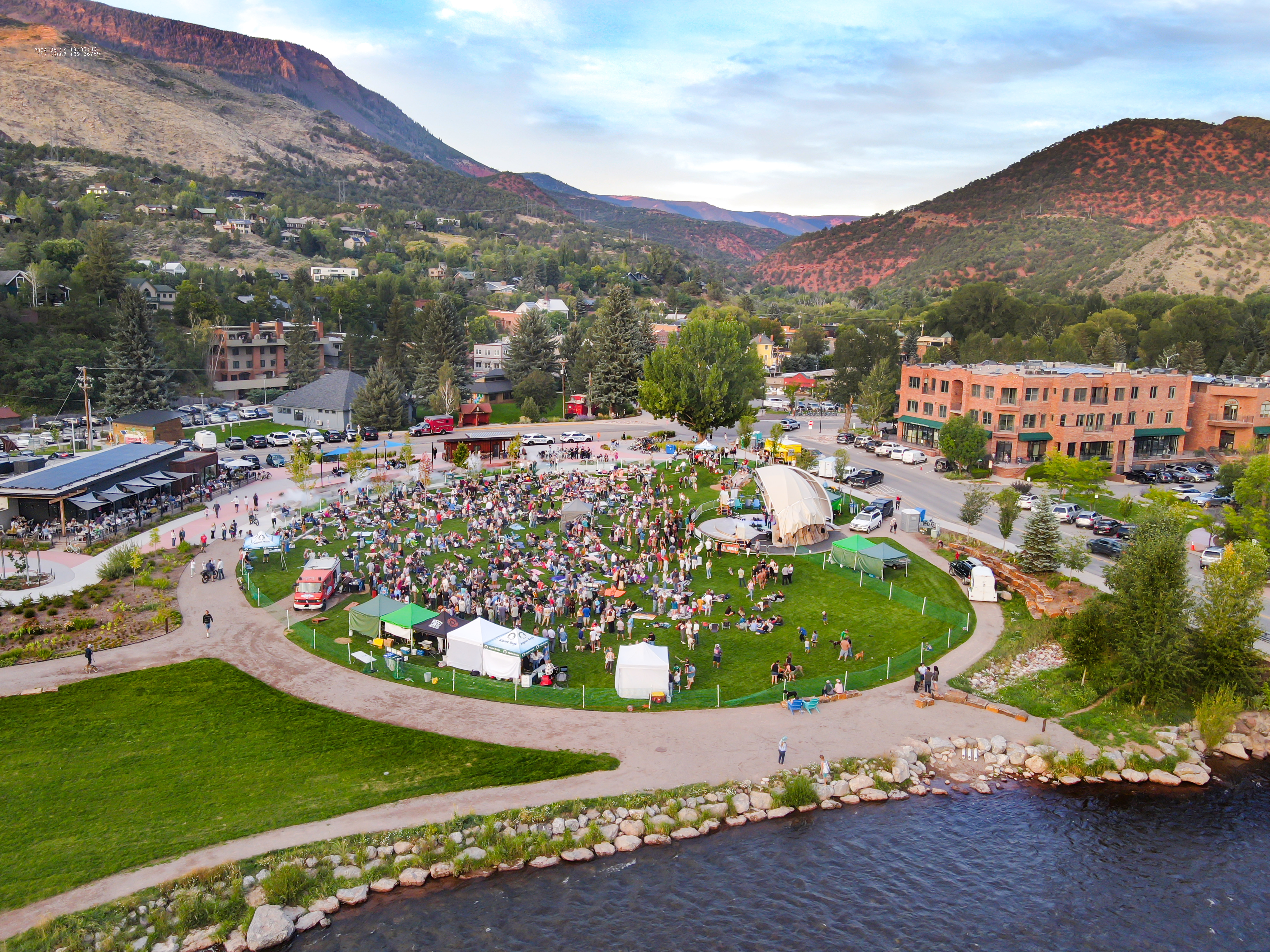
Situated near the main entrance into town, along the banks of the Roaring Fork River, the 3-acre Basalt River Park in Basalt, Colorado was a nearly decade-long transformation from historic man-camp threatened by yearly floods into the Town’s beloved primary gathering space.
MidCity District
The Neighborhood, The District, and The Corridor
Urban Design Associates
MidCity District in Huntsville, Alabama is a 140-acre mixed-use development on the former Madison Square Mall site, originally built in 1984. MidCity transformed the declining site into a vibrant, walkable, mixed-use urban district.
New mixed-use development at Nansledan, Newquay in Cornwall UK
The Neighborhood, The District, and The Corridor
ADAM Architecture
Nansledan is divided into eight unique neighborhoods, each with a five-minute walk to a local center. These micro-civic hubs are arranged around a square or green and combine a mix of uses helping residents to meet daily needs on foot.
Village of Heulebrug, Knokke-Heist, Belgium
The Neighborhood, The District, and The Corridor
DPZ CoDesign
Heulebrug is a 64-acre village planned as a coherent neighborhood. The site is almost a ten-minute walk from east to west, the ideal size for a single traditionally-organized neighborhood, with a clear center and edge, supporting transit, and containing a range of uses and levels of affordability.
Plan Bentonville
The Region: Metropolis, City, and Town
DPZ CoDesign
Plan Bentonville for Bentonville, Arkansas is a dual-phase reform designed to guide growth in a way that is economically, fiscally, and environmentally sustainable. It is the direct response to a fiscal finding that sprawl is unsustainable and a political mandate to prioritize long-term value over short-term expediency.
Student Merit Awards
Hybrid Bridge: A Multi-Level Civic Infrastructure for the Upper Kebena River
The Block, The Street, and The Building
Tulane School Of Architecture And Built Environment - Undergraduate Individual: Addis Ababa River City Research Project, Alec Paulson
The proposal for Addis Ababa, Ethiopia reframes a bridge as multi-level civic infrastructure: an inhabited, programmatic structure that combines pedestrian mobility, flood adaptation, re-housing, and public amenities within one architectural armature.
Madison Crescent
The Neighborhood, The District, and The Corridor
University of Maryland - Graduate Studio/Team: Lauren McNamara, Makenna Benson, Shannon Sinnicki
This proposal is for an infill site in an historic part of Baltimore, Maryland. The proposed design takes the measure of the historic context by offering new residential designs that derive from the local context in character and urban form.
Full articles about each project will be issued in the leadup to the 2026 Charter Awards ceremony. The ceremony will take place at CNU 34.Northwest Arkansas on Thursday (5/14) at 7:00 pm CT in the Heartland Whole Health Institute Ballroom on the Campus of the Crystal Bridges Museum of Art. Register to attend.