Innovative, affordable homeownership in Brooklyn


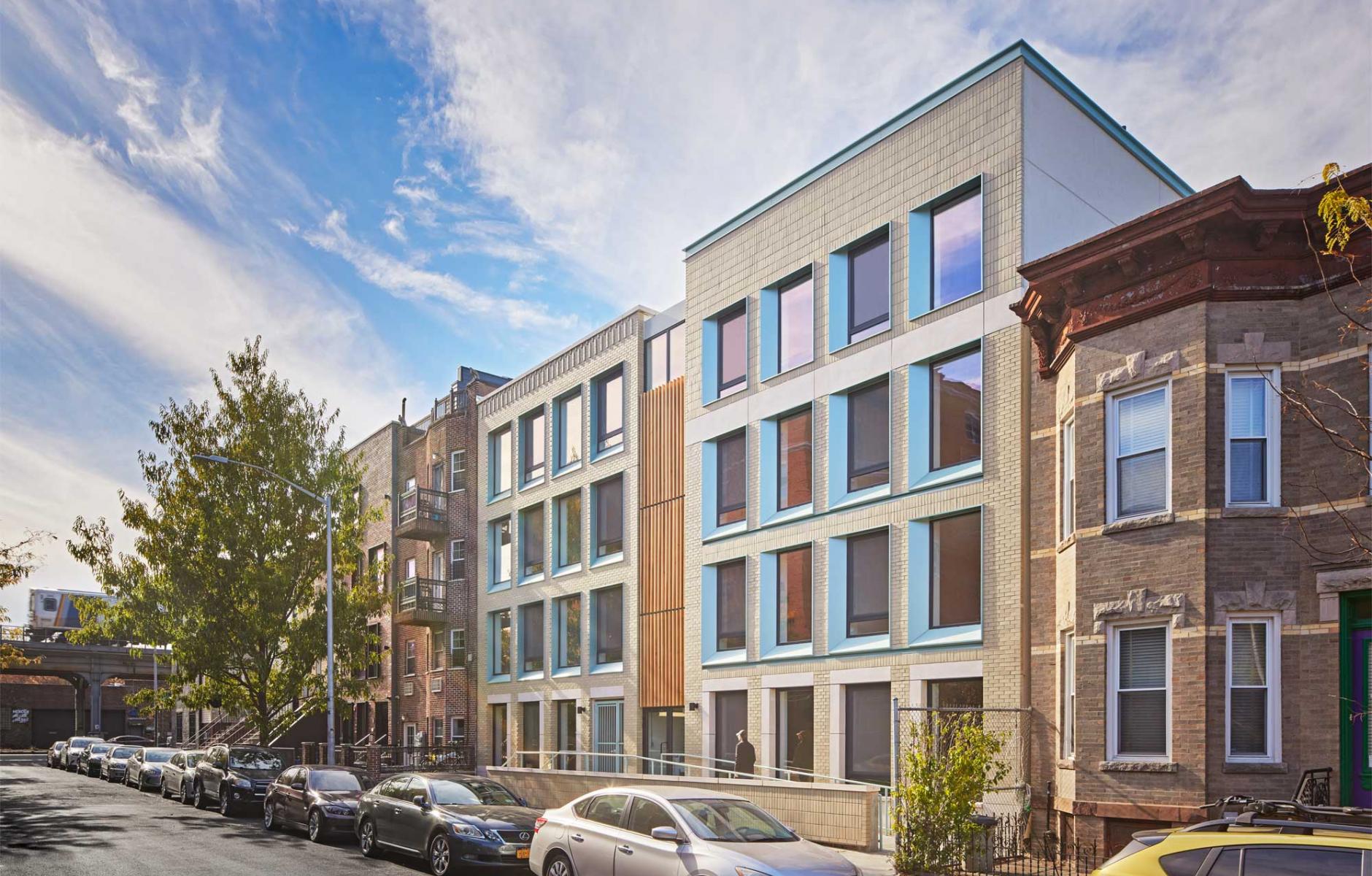
Along a transit-oriented corridor in Brooklyn, a design and development team is showing how to construct scattered-site, Missing Middle housing with context-sensitive architecture, and some buildings use single-stair construction. David Cunningham Architecture Planning won a 2026 Charter Award for Belle Gardens, which consists of seven four and five-story buildings along a 15-block corridor centered on Herkimer Street.
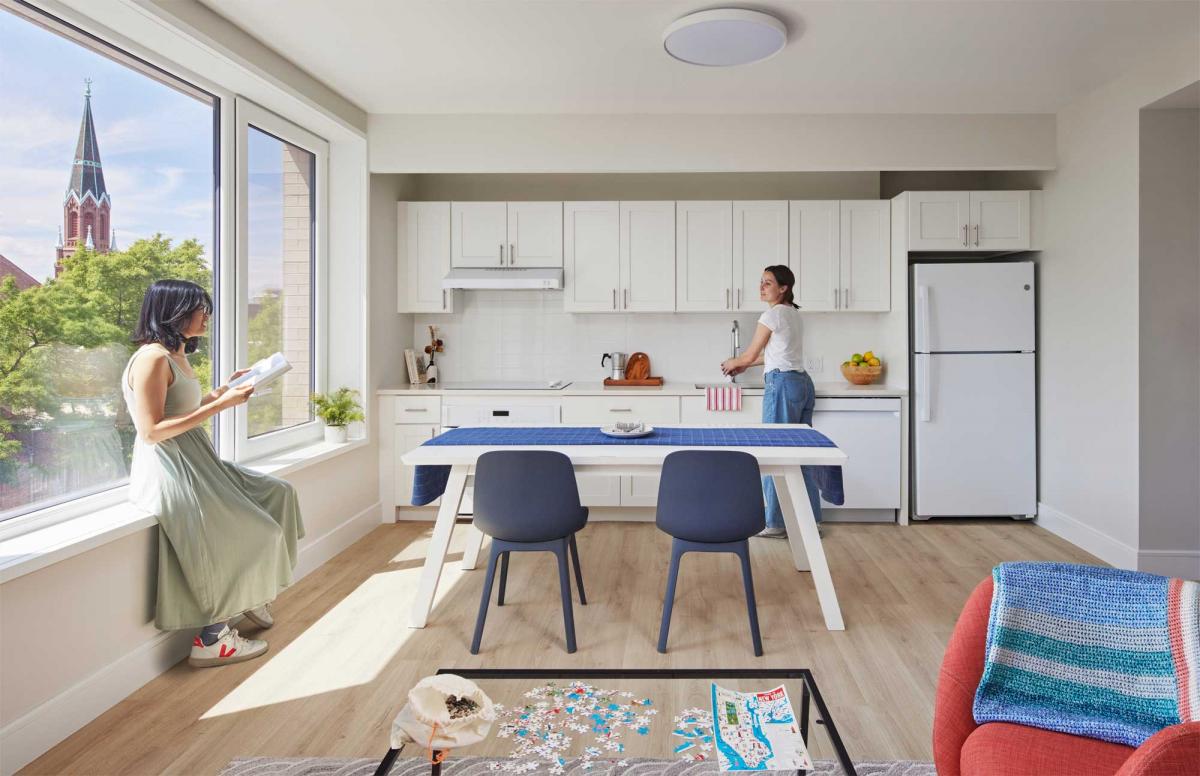
The 78 one- and two-bedroom apartments are located on sites totaling 0.73 acres in the Bedford Stuyvesant neighborhood. Subway and elevated regional rail both serve the neighborhood, enabling car-free or car-light lifestyles. Buildings occupy formerly vacant lots owned by the NYC Department of Housing Preservation and Development. Belle Gardens addresses a gap in the borough’s affordable housing programs: Most affordable housing in Brooklyn is rental. These units are all being sold—purchased by first-time home buyers.
“I’ve lived in my home for nearly a decade and work in education within the same vibrant section of central Brooklyn,” reports one neighbor. “For much of that time, the lots next to and behind my house and were owned by the City and effectively abandoned—overgrown with weeds and home to stray cats and even raccoons. Meanwhile, our neighborhood has become increasingly expensive, forcing many neighbors and families, including those from my school, to move away. The transformation of those empty lots to thoughtfully designed residential development is a welcome and meaningful improvement … a step toward keeping our community inclusive and diverse.”
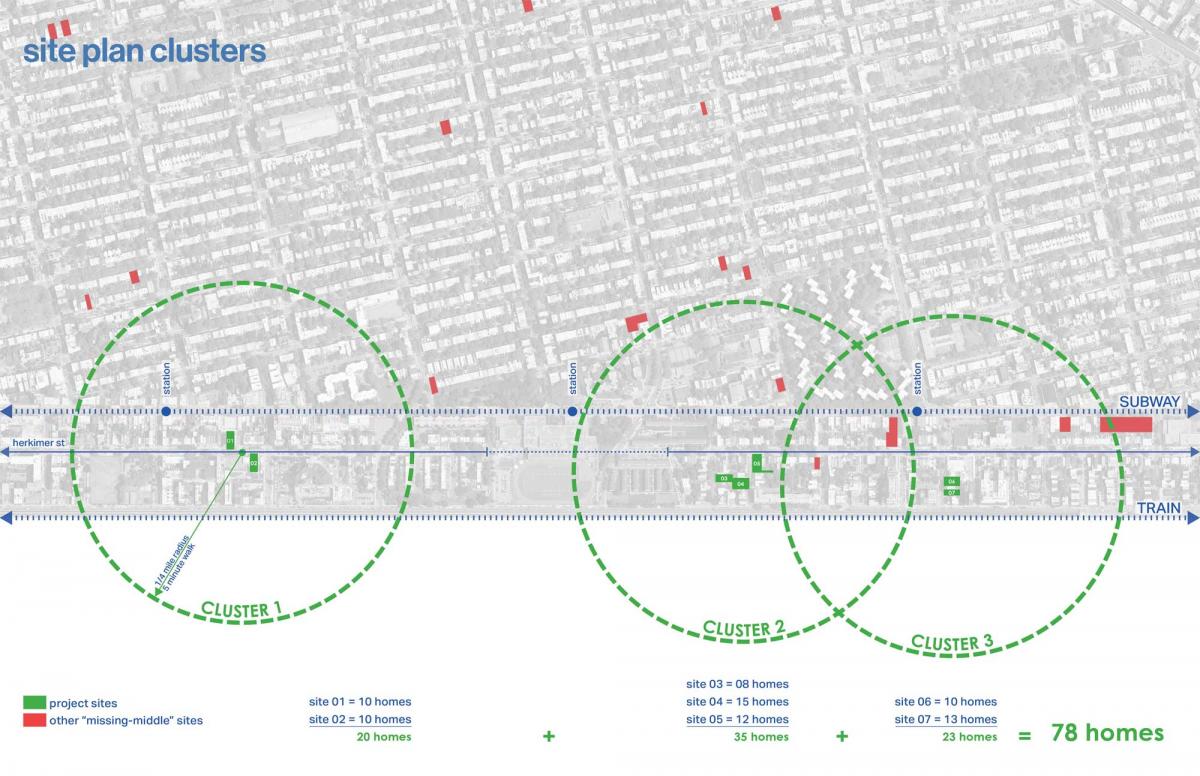
The buildings range from 8 to 15 units. The small-scale multifamily buildings achieve a net density of about 100 units per acre, even with shared back gardens. Design emphasis was placed on the gardens and shared lobbies. Because of the rail service, the buildings were constructed without parking. “In a neighborhood that suffered decades of deliberate underinvestment from redlining in the 1950s and 1960s to subprime mortgages in the 2000s, this is a significant transformation,” according to the design team.
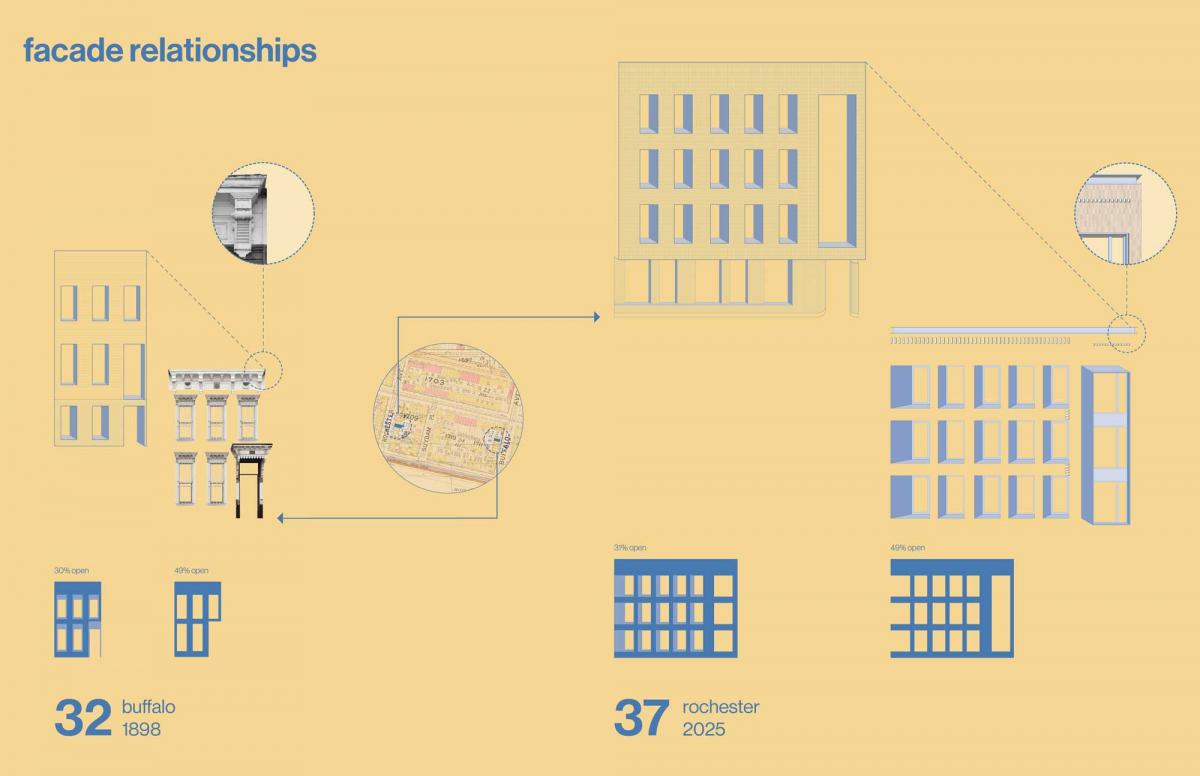
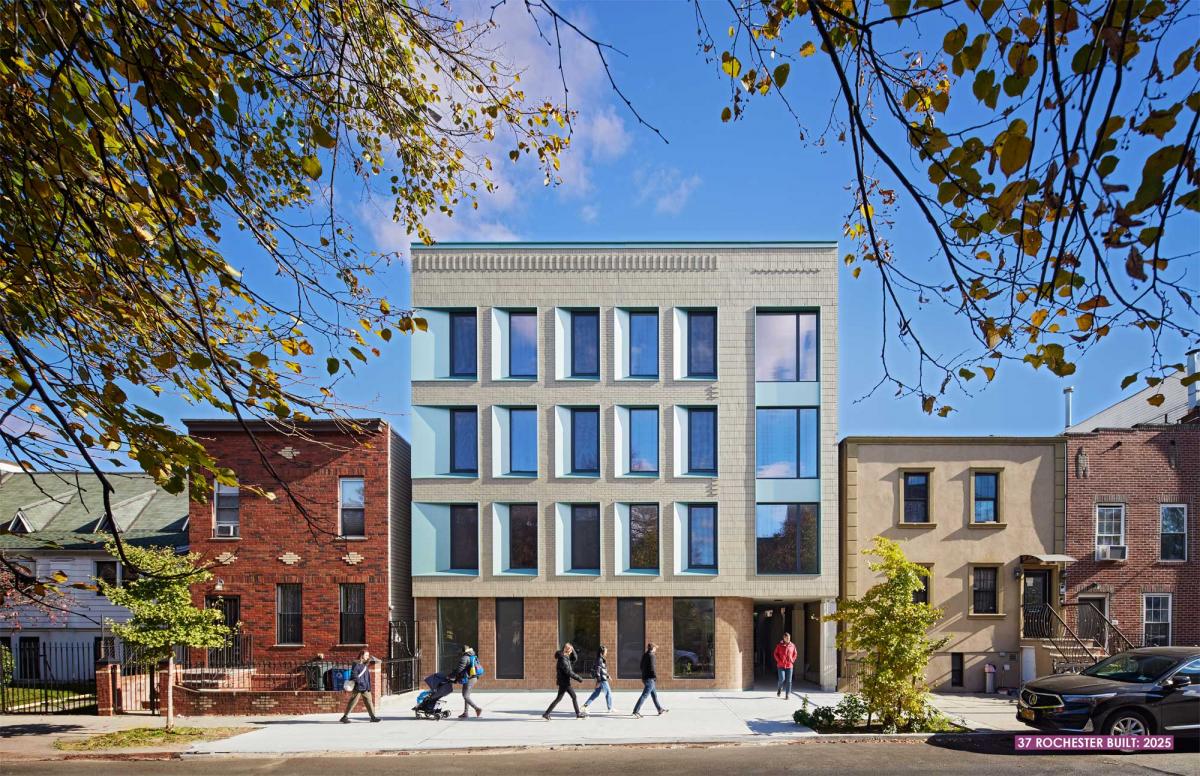
The architecture was designed to be compatible with surrounding housing, even though the new buildings are somewhat larger. “The scale and size of the buildings were a key design challenge,” the architects note. “In an area characterized by single-family homes on narrow lots, how do multifamily buildings join the block in a respectful manner? In studying the existing wooden housing stock, we observed that finish trim added to the windows and doors create the appearance of a lighter, more open façade. The proposed brick facades use metal trim to alter the proportions of walls and openings in a similar fashion. New windows are larger than windows in neighboring buildings, but share their rhythmic spacing and vertical proportions.” Materials connect to the brownstone building tradition in Bed-Stuy. The facades line up with neighboring facades—eschewing an approach taken by some Brooklyn affordable housing that opt for larger, more suburban setbacks.
“Raising the first floor above street level is another important feature of Belle Gardens,” the designers explain. “The approach was specifically requested by City officials to provide a measure of privacy for first floor apartments. The design follows precedent in Brooklyn, where row houses have raised first floors approached by an entry stoop.” The steps were paired with ramps to make the buildings accessible, and each building has an elevator—whether required by code or not.
Two of the buildings have single-stair construction, which is rare in the US but allowed in a few jurisdictions, including New York City. A nationwide movement to reform codes to allow this construction, common in Europe, is underway. “The building code outlines two different exceptions—one for four story and one for five story buildings,” explain the designers. “Both exceptions were applied to this project and provided significant construction savings.”
The designers sought creative ways to cut costs—foundations were important. By limiting foundation work near existing buildings, the project avoids the legal and financial difficulties of underpinning neighboring structures. Careful foundation design simplifies procedures and saves money, according to the architects.
Environmental concerns were important, with attention to energy and the urban heat island effect—light materials were used for roofs to reduce the latter. Casement windows were chosen for superior energy performance. Electric appliances and heat pumps for heating and cooling help reduce the carbon footprint.
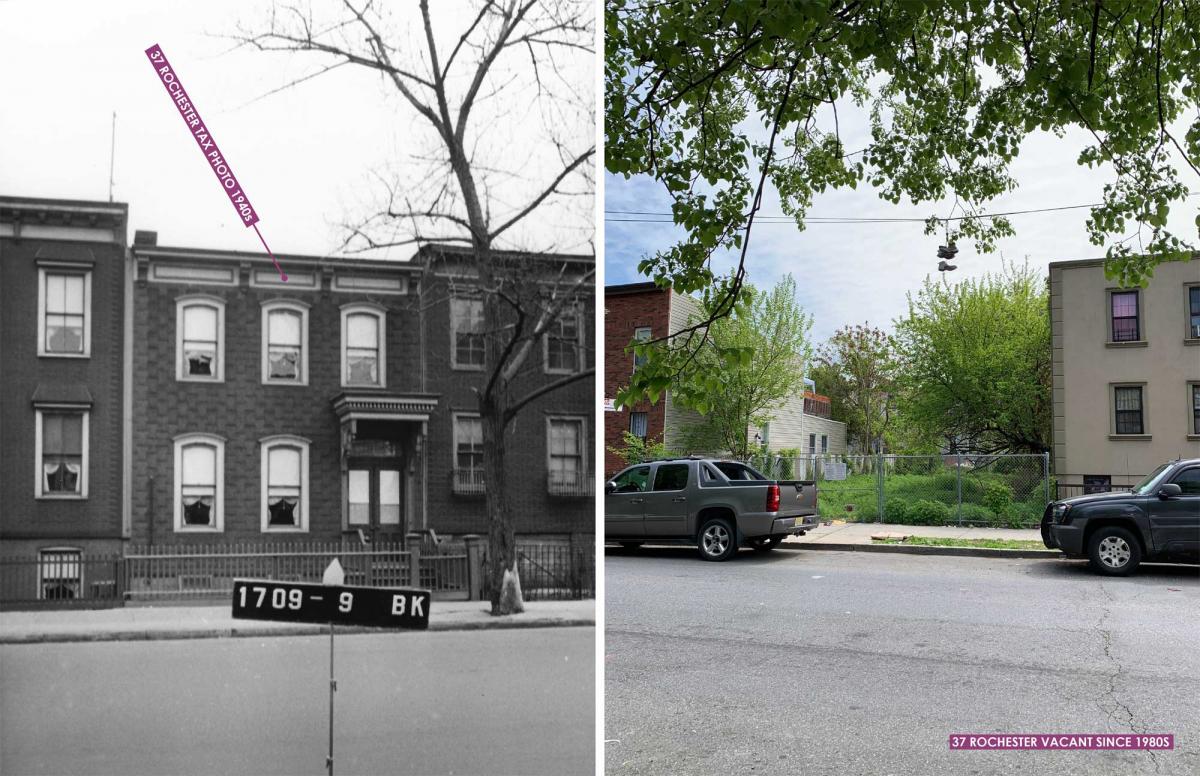
The City has been trying to redevelop these sites for a long time. Most have been abandoned lots for decades, going back to the 1980s. An effort in 2007 fell through because of the housing crash. That may have turned out for the best, because the current project provides three times as much affordable housing as the 2007 proposal. Belle Gardens is providing lasting, affordable homeownership to Brooklyn households of modest means, and doing so with innovative, context-appropriate design.
Belle Gardens
- David Cunningham Architecture Planning, Principal firm
- Fulcrum Architecture DPC (Jack Heaney), Architect (buildings #1,#2,#7)
- BJF Development LLC, Client
- DCI Engineers (Erik Madsen), Structural engineer
- Altera Engineering (Dmitriy Morozov), MEP/SP engineers
2026 CNU Charter Awards Jury
- Eric Kronberg (chair), Principal, Kronberg Urbanists + Architects in Atlanta, GA
- Majora Carter, CEO of Majora Carter Group in the Bronx, New York City
- Marques King, Studio Director + Senior Architect, Pure Architects, Detroit, MI
- Jeremy Lake, Principal, Union Studio Architecture & Community Design, Providence, RI
- Joanna L. Lombard, Distinguished Professor at the University of Miami School of Architecture, FL
- Rico Quirindongo, Director, City of Seattle Office of Planning and Community Development
- Ashley Terry, Director, President of Development at Pivot Real Estate, Oklahoma City, OK