RECENT ARTICLES

Building communities that connect neighborhoods and promote social interaction among diverse people boosts economic prospects and overall health, and can even make the difference in a life-or-death crisis.
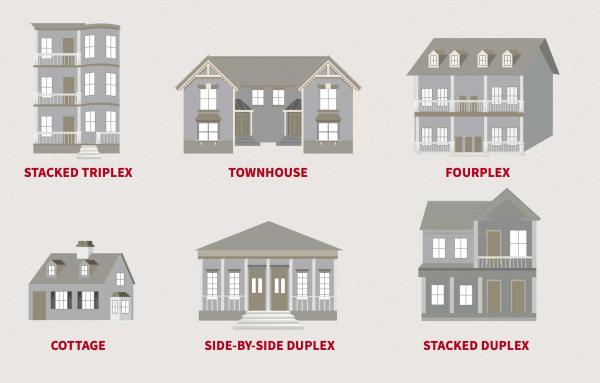
Expanding the range of housing choices enables new housing that adapts to the needs of a changing demographic.

Investments in urban centers combined with parking policy reform support trip reduction and alternative mobility.
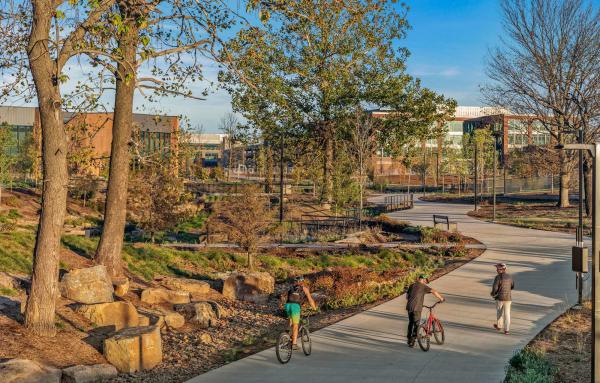
The infrastructure that supports downtowns and walkable neighborhoods features connected streets, growth focused in specific place types, and design based on the rural-to-urban Transect.

Pearl in San Antonio, a Charter Award winner, is becoming the heart of a 15-minute city.
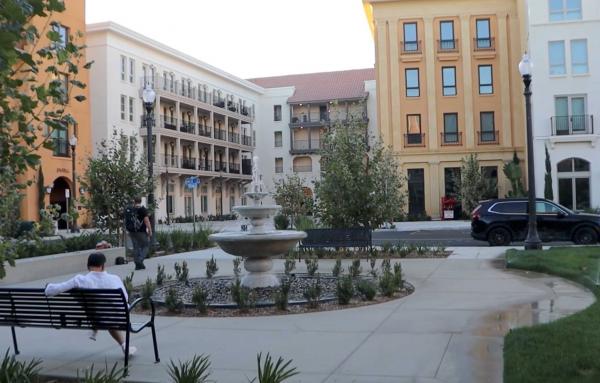
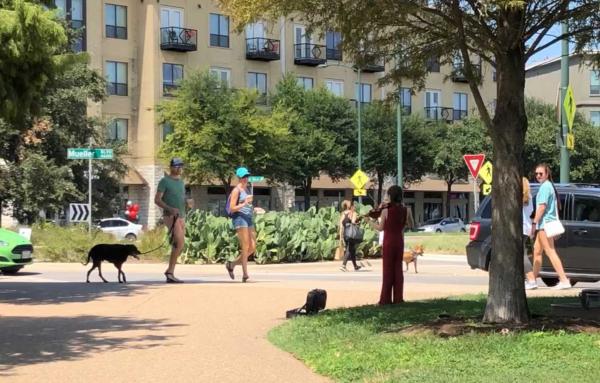
The impact of urbanism on day-to-day life may be the strongest argument for change.
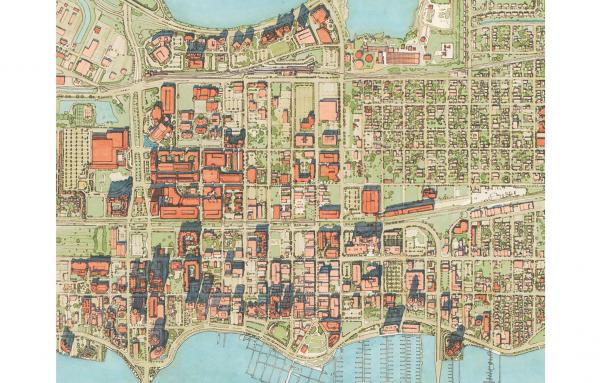
Let the ride begin: An image shows how West Palm Beach is a different place three decades after a master plan and code.
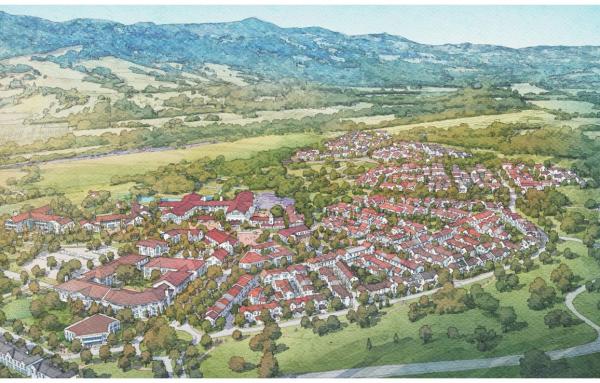
Esmeralda Land Company has options on a former lumber mill in Cloverdale, with plans for an educational and cultural community.
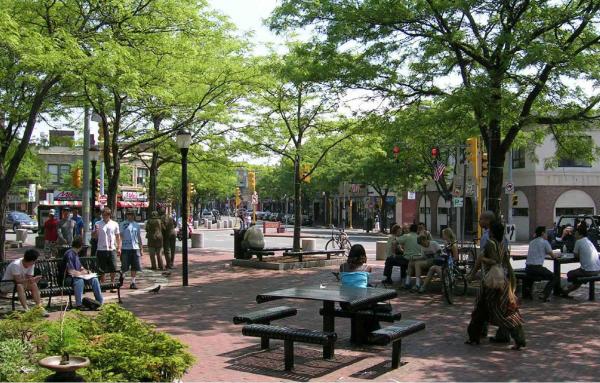
A Necessary Response: The Climate Action Handbook for Urbanists is an impassioned and technically useful guide to taking action at the community level.
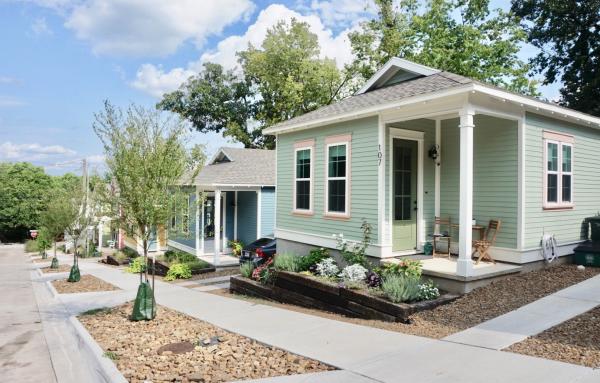
The Painted Babies show how well-designed micro-homes can make a statement at the right price.
Most of these cities are built on a grid, an important point, according to the CNU founder and internationally known planner.