

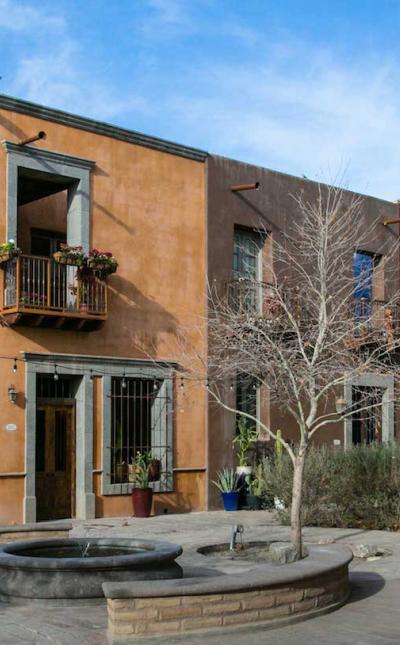
Sprawl Retrofit
Case Studies
After half a century of mounting economic, health, environmental, and social consequences, America has finally begun to turn away from the post-WWII pattern of suburban sprawl. Across diverse populations, preferences are broadly shifting towards walkable, mixed-use places—and real estate markets are responding. The built legacy of sprawl, though, is staggering: Millions of acres of failing car-centric development still sit on the land, sapping municipal budgets and depreciating in value.
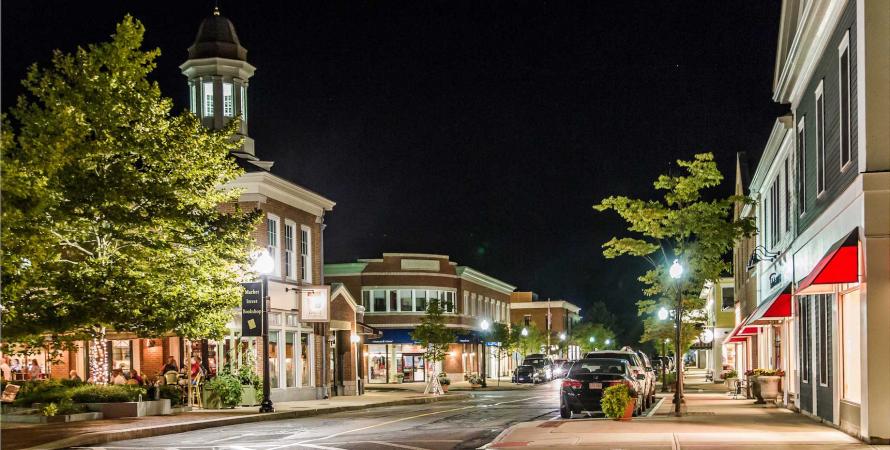
The first suburban retrofit gets a neighborhood #thisisCNU
Mashpee Commons, Mashpee, Massachusetts
Transformation of the former New Seabury Shopping Center in Mashpee, Massachusetts, into a town center began 30 years ago. The early-1960s strip mall at the intersection of two state highways on Cape Cod was fading and needed refurbishment.
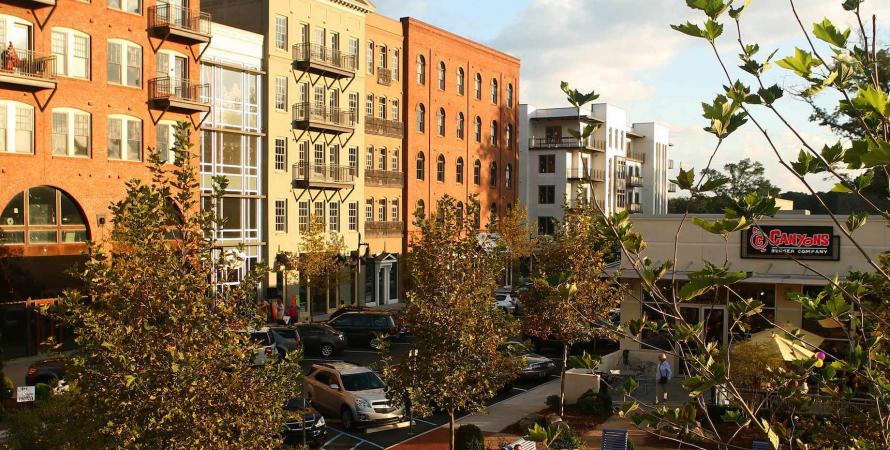
Enhancing a town’s main street character #thisisCNU
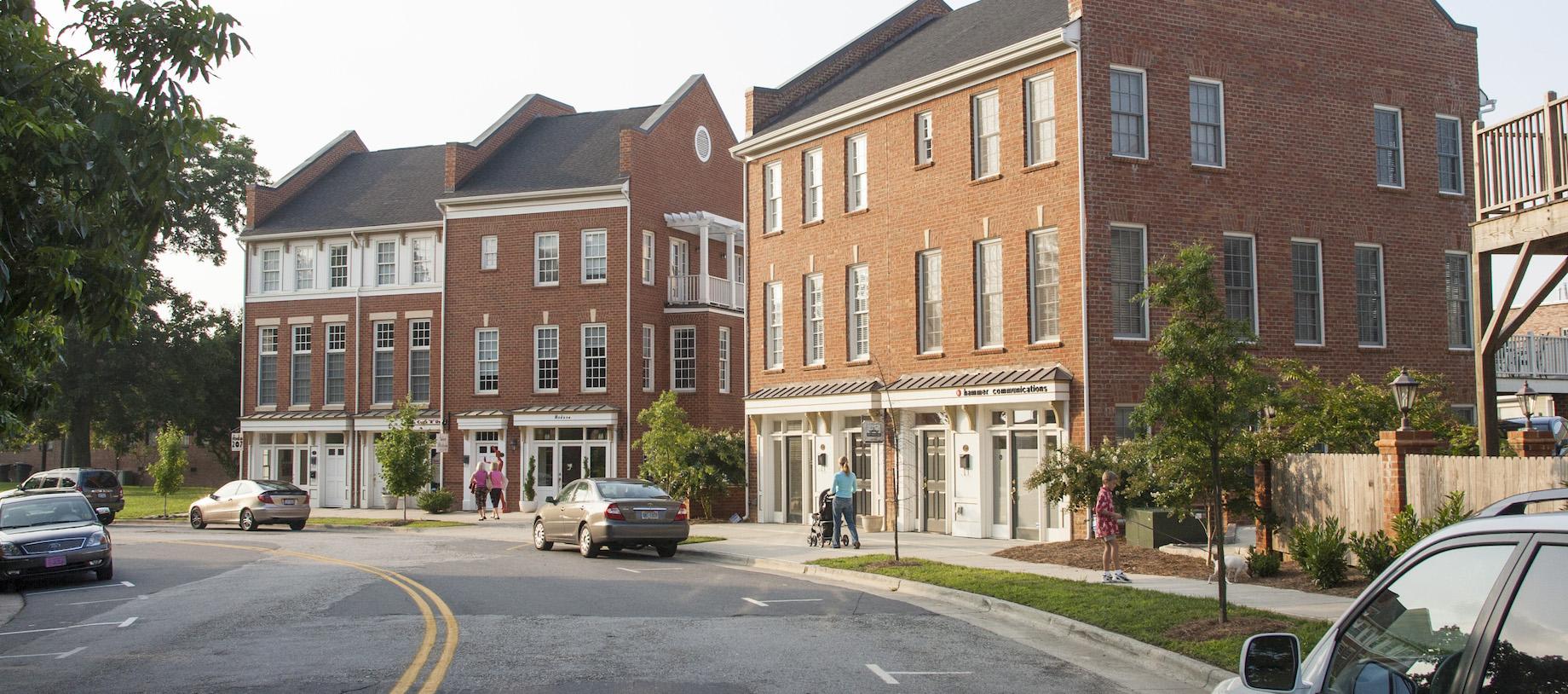
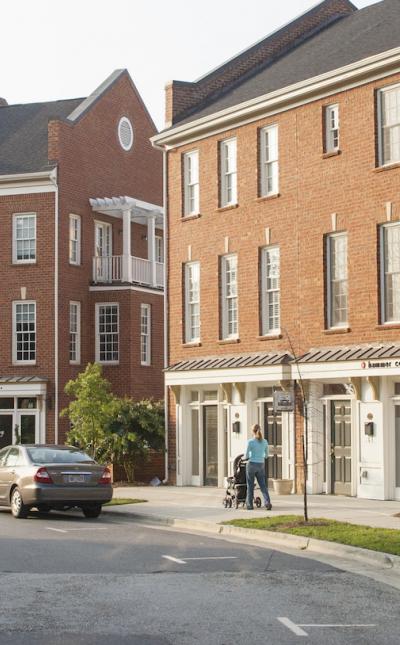
Downtown Woodstock, Georgia, Woodstock, Georgia
Until 2000, Woodstock, Georgia, was a small town with a population of about 10,000—but encroaching Atlanta sprawl threatened to engulf the community in cookie-cutter projects.
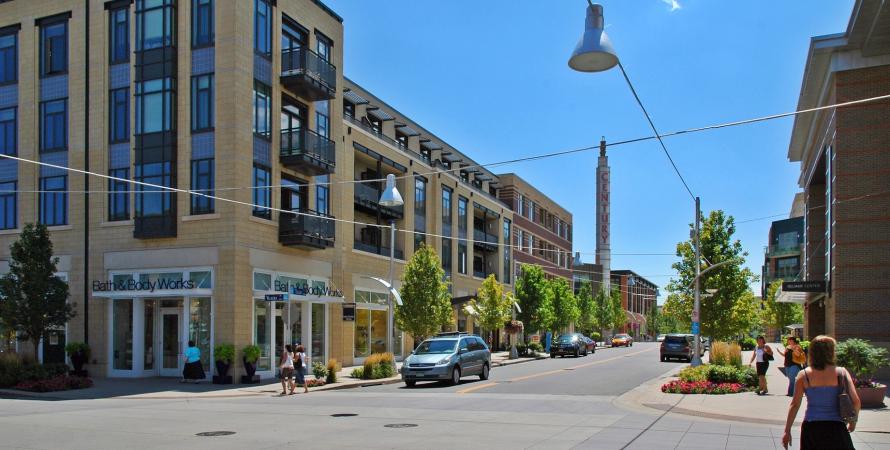
A dead mall becomes a downtown for a sprawling suburb #thisisCNU
Belmar, Lakewood, Colorado
Although Lakewood, Colorado, is the fifth largest city in the state, until the last decade the city had no true downtown.
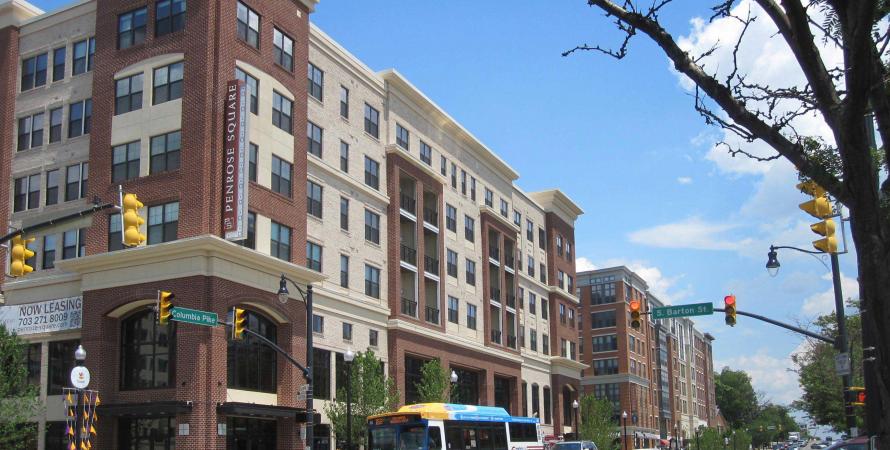
A code transforms a commercial strip corridor #thisisCNU
Columbia Pike, Arlington, Virginia
First built over 200 years ago as a toll road connecting Washington, D.C. to greater Virginia, the Columbia Pike now serves as a direct route to the Pentagon and other capital landmarks.
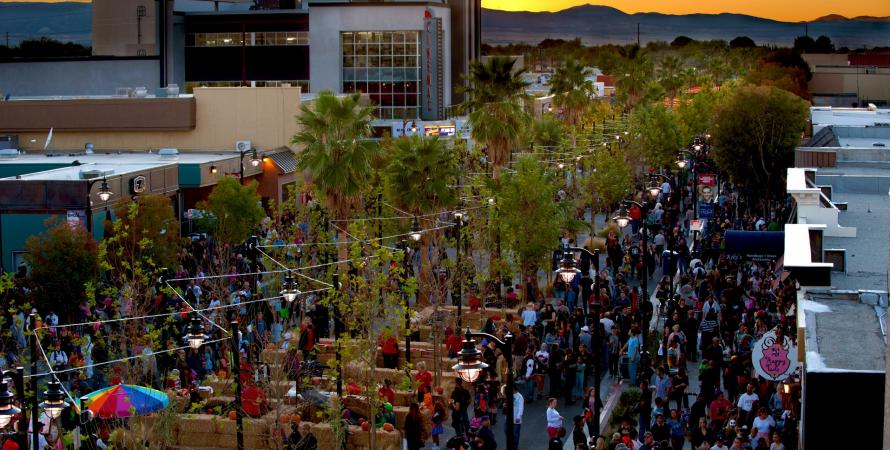
New streetscape spurs downtown turnaround #thisisCNU
Lancaster Boulevard, Lancaster, California
The City of Lancaster, California, converted a drab, automobile-oriented arterial at the heart of downtown into a lively, pedestrian-friendly center.

A mixed-use center for town and gown #thisisCNU
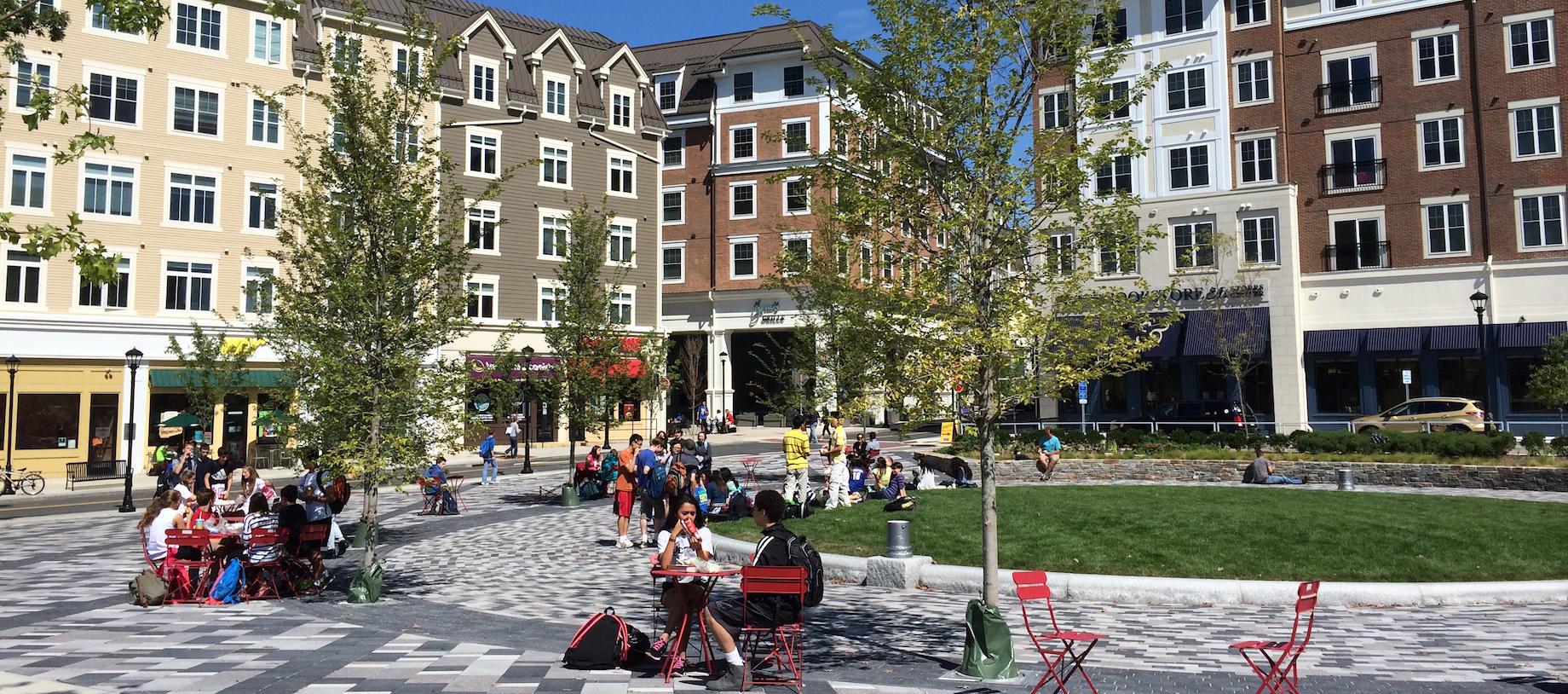
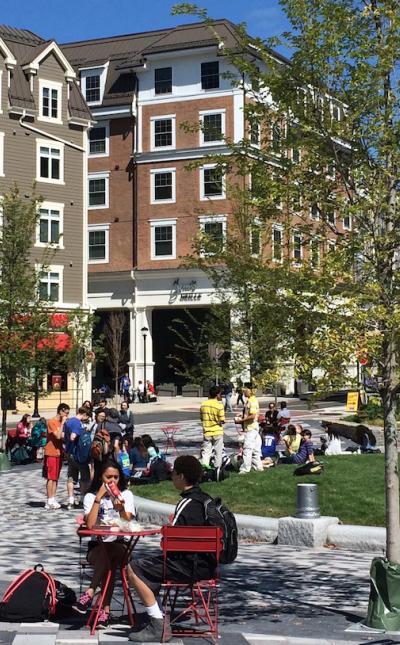
Storrs Center , Mansfield, Connecticut
For a town with a major educational institution—the University of Connecticut—Mansfield was surprisingly short of urban amenities until a few years ago.