-
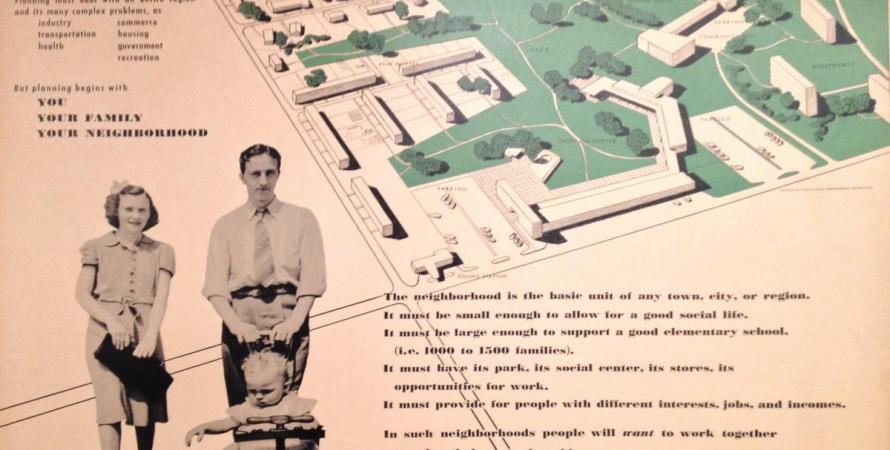
The once and future neighborhood
Urban planner Emily Talen tells the history of the neighborhood, why it became a controversial topic, and how the “everyday neighborhood” could help a diverse America come together.In the beginning, there was the neighborhood. It was where people lived, for thousands of years. “Neighborhoods are a ubiquitous condition of human settlement, found in all time periods, in all cultures, and in both rural and urban contexts,” writes Emily Talen, Professor of Urbanism at the...Read more -

Across the US, too many pedestrians are dying
A new report called Dangerous By Design 2019 once again reminds us that thousands of people on foot are cut down each year in violent, preventable deaths.Smart Growth America and the National Complete Streets Coalition released Dangerous By Design 2019 this week, and America seems to be getting more dangerous for pedestrians. Pedestrian deaths have been rising in recent years—to about 6,000 each year in 2016 and 2017. Back in 2008, the figure was...Read more -
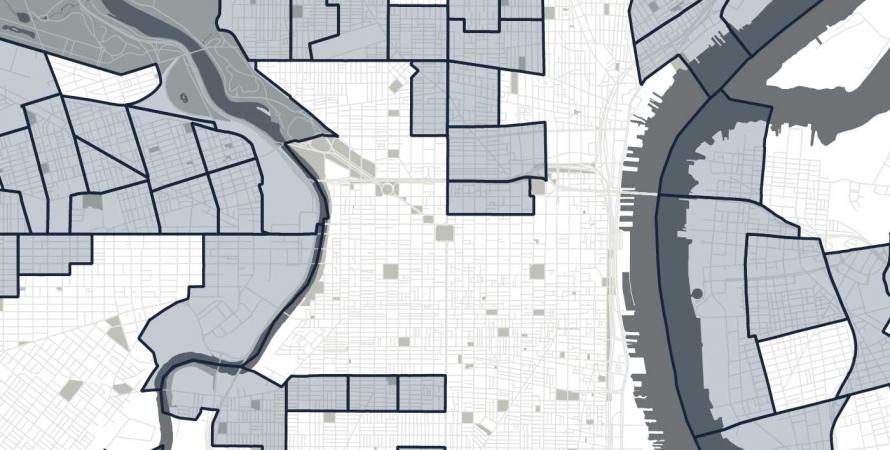
Embrace your local Opportunity Zones
Even if you are cynical about about how big money will affect low-income communities, the smart move for municipalities and urbanists is to make the most of this big-impact program.Many urbanists have skepticism—even cynicism— about Opportunity Zones (OZs). This new federal initiative that was part of the 2017 tax law is still gearing up, but most agree that it will have a big impact on cities. “Given the significant interest among investors, it is possible that this new...Read more -
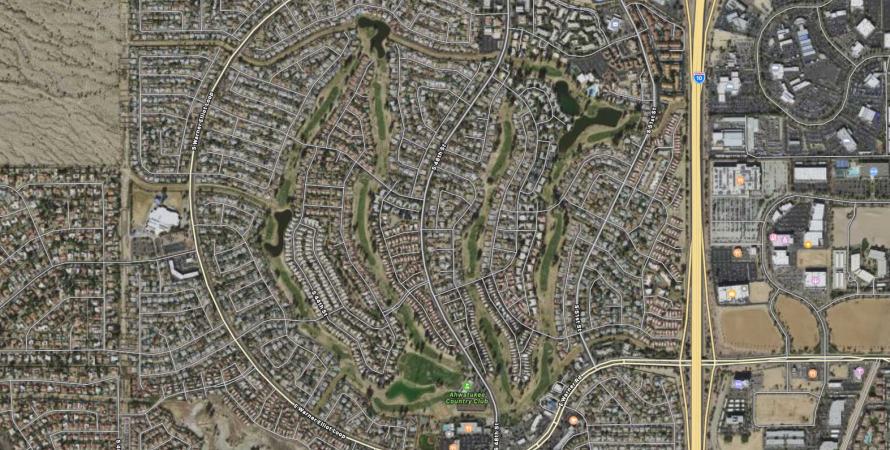
Failing golf communities not on par with neighborhoods
When real estate switched from building mixed-use cities, towns, and neighborhoods, the industry adopted less sustainable selling points—like golf.The failure of golf course communities continues to be a massive problem nationwide, according to an article in The Wall Street Journal . With 1,200 golf communities nationwide, and golf declining as a past-time, many homeowners face declining property values and are saddled with heavy membership...Read more