-

Compact living and climate innovation
A city's density of habitation is a powerful tool to make a city more efficient. Here's how the most innovative cities are using it to fight climate change.Density of population and buildings defines cities in general, but for Urban Climate Innovation Labs—cities that are finding especially creative ways to solve the world’s climate problems—it can be a crucial advantage. A city’s density of habitation, especially its quantity of high-occupancy...Read more -

We need ‘Goldilocks,’ not ‘voodoo,’ urbanism
Cities generate benefits from concentrations of talent—but also from “spreading it around.” Striking a balance results in more equity and a more resilient economy.In recent decades, I have been one of those celebrating the power of urbanism: the capacity of cities and towns to create economic dynamism, expanded life choices, opportunities for active living, and healthier, more resource-efficient lifestyles. This power is perhaps most obvious in the dense...Read more -

Why New Urbanism needs your leadership
If you’re reading this, it’s because you care about New Urbanism and maybe you have some good ideas about how CNU can advance it. If so, then I am here to encourage you to run for CNU’s Board of Directors in 2019. What started in 1993 with six founders and 266 signers of the Charter is now a...Read more -
2018 in review and a preview of 2019
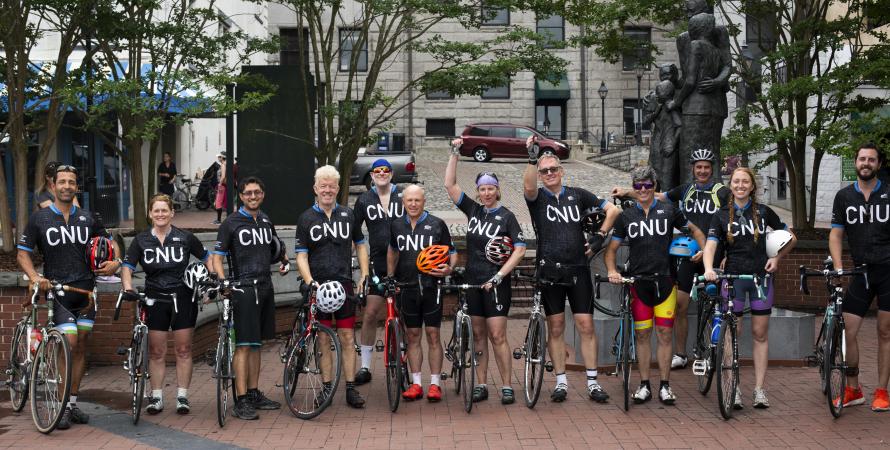
After a groundbreaking year, CNU is gearing up for more action and progress in the next 12 months and beyond.CNU has inspired change. Our ideas and approaches have been adopted and implemented by allied (and not-so-allied) organizations, state and local governments, and urban design and development professionals throughout the U.S. and abroad. Just look at Rob Steuteville’s 25 Great Ideas to see the...Read more