-
Good congestion, bad congestion
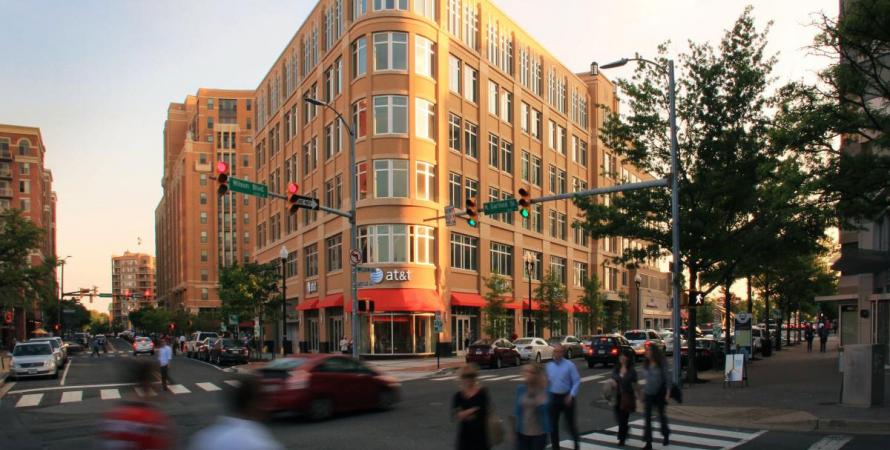
Our model for traffic congestion is flawed. We need to make the crucial distinction between good and bad congestion and plan our transportation systems accordingly.A few years ago, after taking a blood test, my doctor told me I had a cholesterol problem. I wasn’t in immediate danger, but I started running regularly. After a year I returned for tests, and he told me the good news: My life expectancy had risen eight years . That was my best checkup ever. What...Read more -

Health benefits of New Urbanism
A study examined nine counties across the US and reviewed other research, finding evidence that health is positively impacted by urban design that follows principles of New Urbanism.Urban design factors can affect public health in several ways, including physical activity, traffic accident risk, pollution exposure, access to health resources, mental health and affordability, which affects households’ ability to afford other critical goods, such as healthy food and medical care...Read more -

From busy roadway to public square
Reducing redundant roadway in cities can be good for people both outside and inside of vehicles.One thing cities need is more creative traffic planning of pedestrian-unfriendly intersections, informed by good urban design. Here's a video of a cool design for Kenmore Square, a complicated and heavily traveled intersection in the Fenway/Kenmore neighborhood of Boston, near Boston University and...Read more -
The connected network answer to traffic congestion
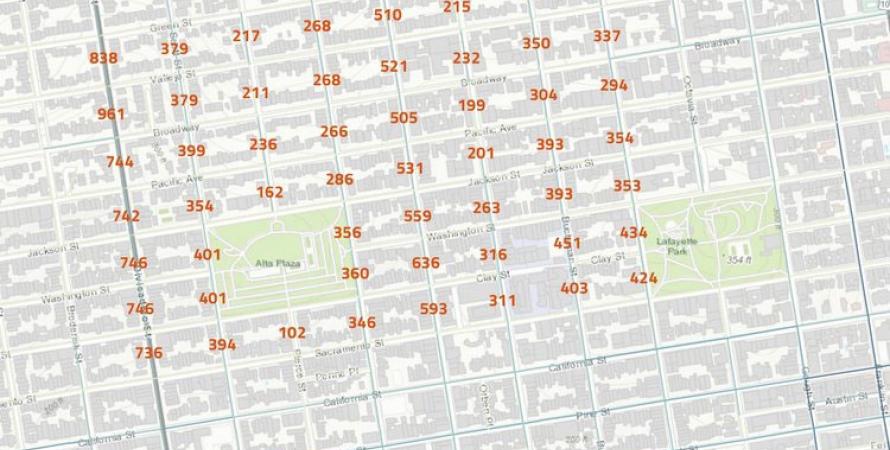
A hierarchical system of subdivisions branching off of arterial roads is a "perfect recipe for congestion."Today, Strong Towns advocates for connected street networks to solve traffic congestion. Connected networks—grids or modified grids—disperse rather than concentrate traffic. Hierarchical streets networks—illustrated as subdivisions with loop roads and cul-de-sacs branching off of arterials—...Read more