-
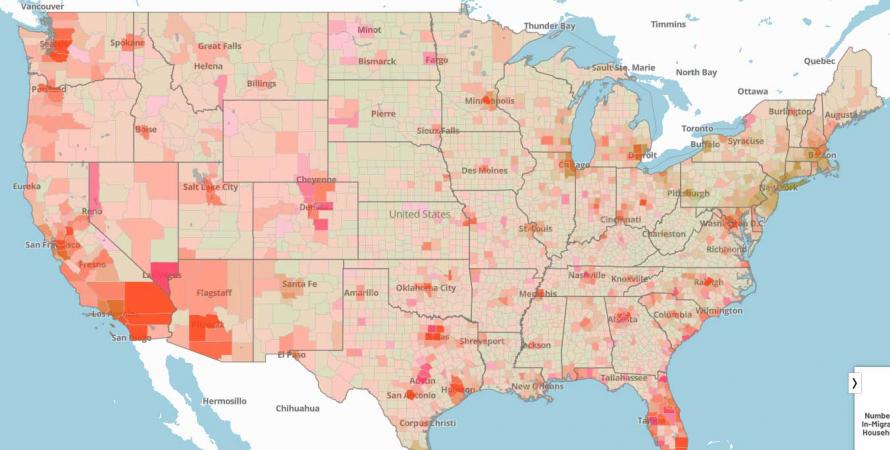
Real estate markets revealed
An interactive map by Zimmerman/Volk Associates offers a detailed view of migration and mobility in counties nationwide.Geography and demographics geeks might want to check out a unique new resource—a fascinating interactive map with local information on real estate markets. The map was created by Zimmerman/Volk Associates (ZVA), the firm that invented the target market method of real estate market research. This...Read more -

Opportunity Zones will help those who help themselves
Walkable urban plans in small and mid-sized cities and suburbs are more likely to be financed if the city is prepared.Wall Street investors with significant capital gains are looking for tax breaks through the new federal Opportunity Zones (OZ) program. Where are many of them looking? Main streets and town centers in smaller cities in middle America, according to a New York Times report . This story goes against...Read more -
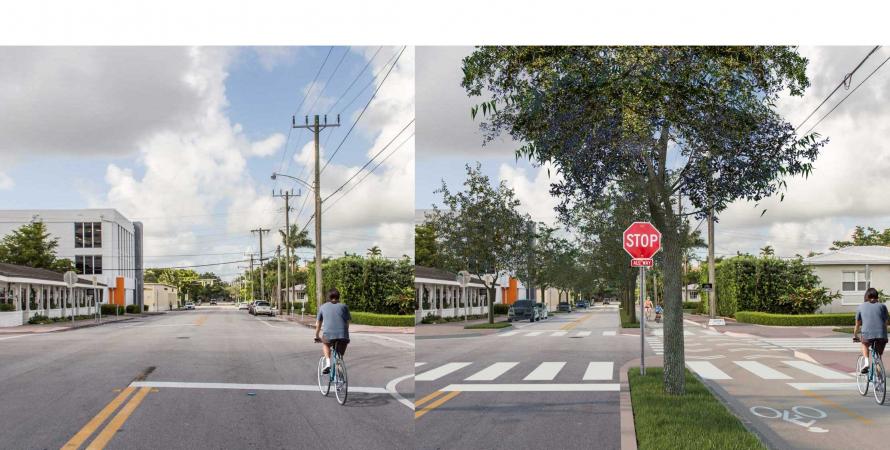
What to do with wasted asphalt
We have so much excess asphalt in America, and we mostly don't even see it. Like an ugly building or a cluttered room—over time, our minds tune it out and take it for granted. But the excess asphalt, like the street on the left, is less safe and pleasant for pedestrians and has an impact on health...Read more -
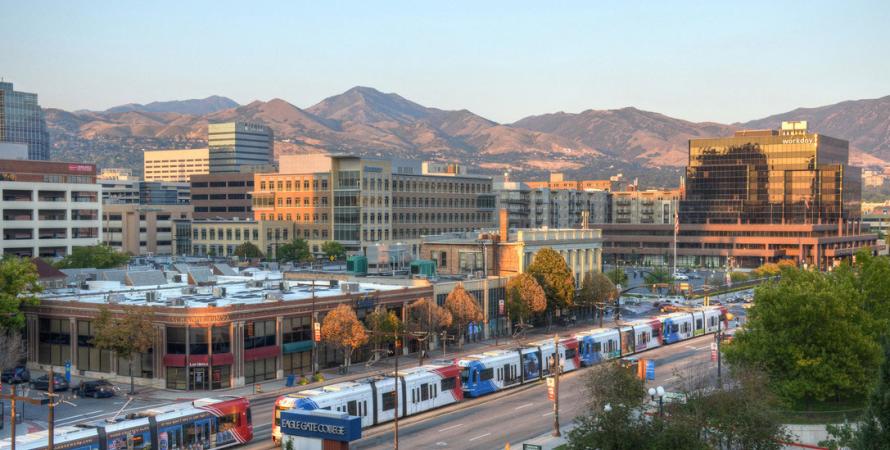
New Urbanism's future in Utah
The rules and parameters for growth need to change, but developers also have a responsibility—to not hide behind a rear view image of the market.I have been a member of the Congress for the New Urbanism (CNU) for over 15 years. In fact, one could argue I have been affiliated with CNU for my entire professional career. CNU has certainly shaped my thinking for longer than my awareness of CNU as an organization. I have allowed that influence...Read more