-
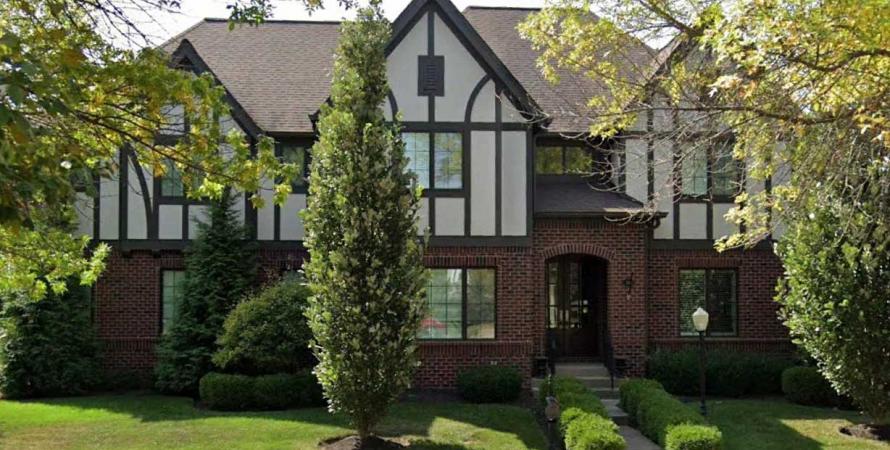
Why ‘house-scale’ is key to neighborhood building diversity
A missing middle coding expert explains why planners should understand and use this term.I have heard the term “house-scale” but never gave it much thought. Now I understand why it matters for incorporating Missing Middle Housing into residential neighborhoods in a way that looks compatible with existing houses, thanks to a recent column by Tony Perez. “By defining what we mean by...Read more -
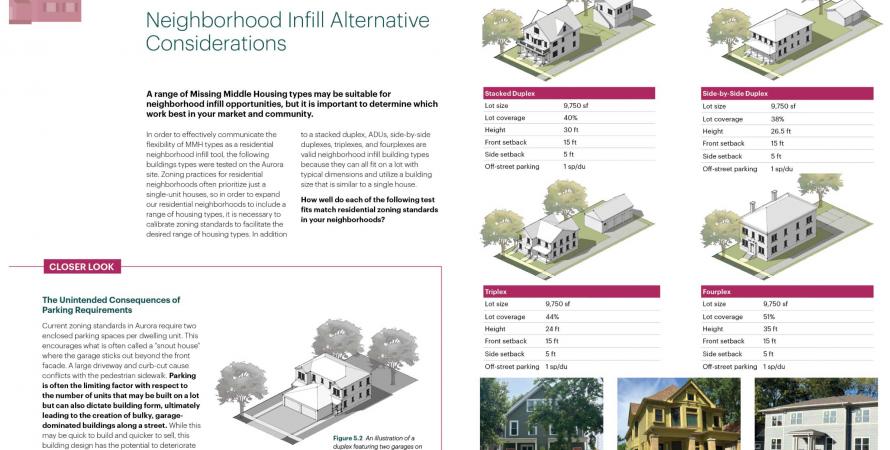
A regional missing middle strategy
If Missing Middle Housing is to be built at a scale that will go far toward solving our housing problems, we need regional thinking and this toolkit fits the bill.Eighteen municipalities, totaling about 600,000 people, collaborated on a Missing Middle Housing Toolkit for the Chicago Region in 2025. “At its core, the toolkit promotes a shift in zoning and planning that better supports diversity, affordability, and sustainability,” says Opticos Design, who...Read more -
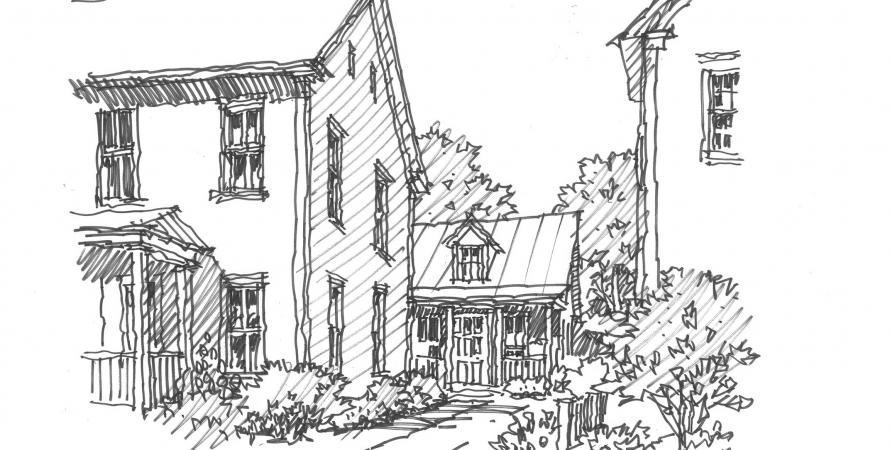
One million homes, two million housing opportunities
Let's put production housing to work solving the housing crisis.America has a housing problem. We don’t have enough homes, and too many of the homes we do have are too expensive. There is no single solution—and many of the proposed solutions will take years to yield results. But there is a powerful tool already in front of us: the production homebuilding...Read more -
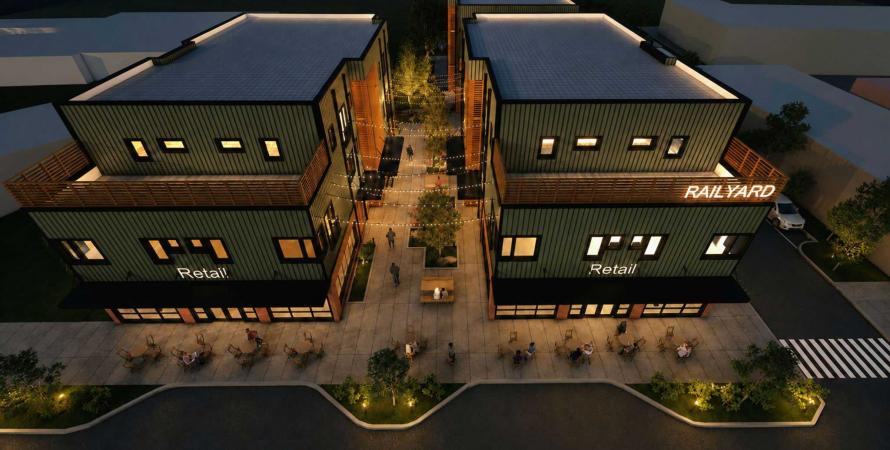
You, too, can be a small developer
The Railyard in Lexington, Kentucky, is a case study in how a novice developer can take a significant project from concept to construction.Will Hanrahan, a marketing professional from Lexington, Kentucky, attended the Incremental Development Alliance (IncDev) workshop held in conjunction with CNU 32 in Cincinnati in 2024. Hanrahan found a one-acre former industrial site in his walkable Lexington neighborhood, listed on Facebook...Read more