-
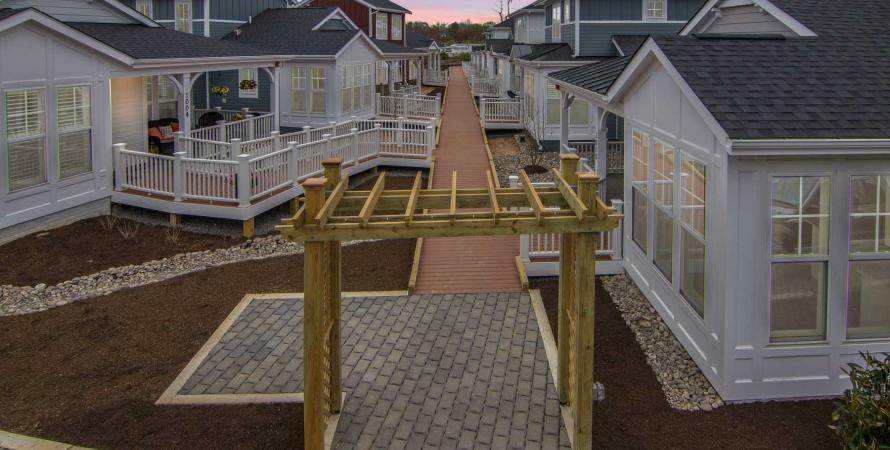
Missing middle where the trains used to run
A cottage court called the Railroad Cottages shows how abandoned rail lines converted to trails have potential for incremental development.The US has a wealth of abandoned rail lines—tens of thousands of miles running every which way across America. Many sections have been converted to walking and bicycling trails. Less often, planners use these corridors as an amenity that attracts compact housing or mixed-use development. The 22-...Read more -
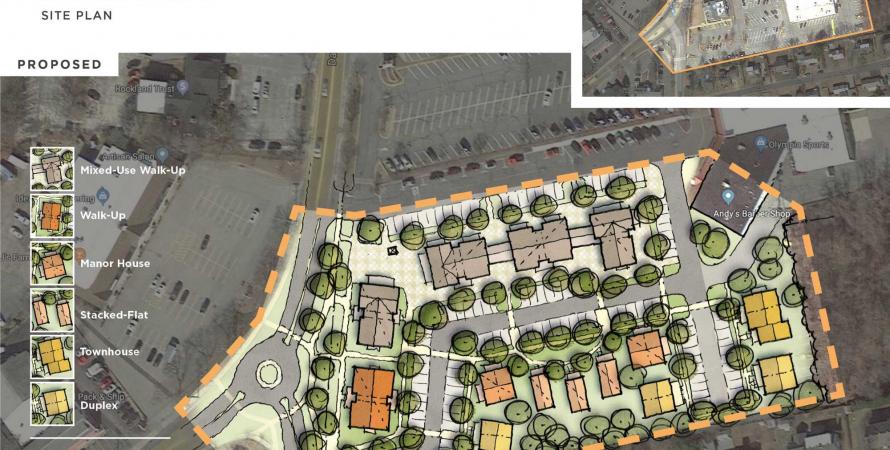
Making ‘missing middle’ work in an anti-density region
Cape Cod is desperately in need of housing diversity. Combining ‘visual preference’ with ‘missing middle’ housing types could point the way.Cape Cod, the quintessential New England vacationland, has a growing affordable housing problem. The housing stock of the 70-mile-long peninsula is mostly single-family detached—82 percent—out of step with the aging population that swells from 228,000 to more than a half million in the summer...Read more -
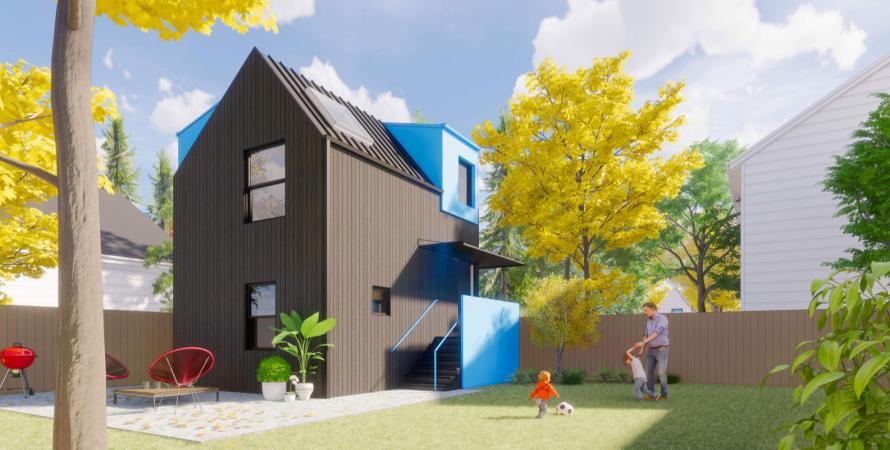
Pre-approved accessory units streamline small-scale infill
Seattle, which adopted one of the nation’s most progressive accessory dwelling unit (ADU) ordinances for cities, has taken this idea a step further by streamlining plans and designs that work. In late 2019, Seattle approved an ordinance that allows up to two ADUs on single-family lots, which make...Read more -

New urban opportunity: Alleys, mews, and accessory units
The unsung alley has the potential to create an intimate American urbanism, it just needs a little attention from urban designers.Alleys were a neglected and unused element of the American built environment for at least a half century, until they made a comeback through the New Urbanism in the 1980s. Traditional neighborhoods developments (TNDs) included alleys for trash collection, utilities, and the primary purpose—to move...Read more