-
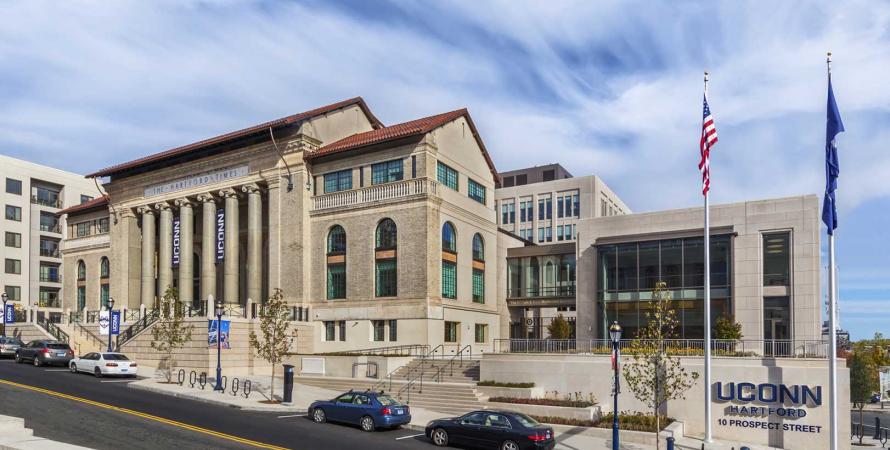
A campus opens up to the city
A recent UConn relocation from a leafy suburban campus to downtown Hartford, Connecticut, follows wider urban trends.Four decades after moving its campus to suburban West Hartford, the University of Connecticut moved back to downtown Hartford—bringing mixed-use development and the revitalization of the Hartford Times Building, a neoclassical landmark. Because the suburban campus had been difficult for city-based...Read more -
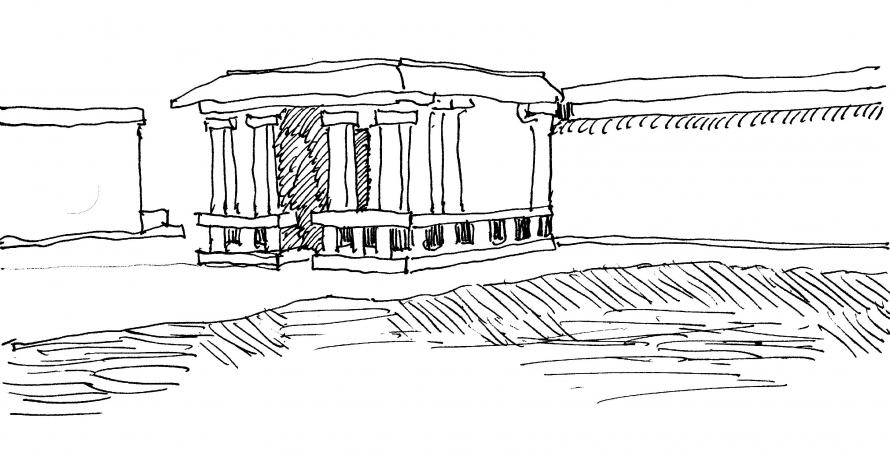
Budgeting for a fractal city: Campus design, part 5
Most funding should go to small projects in a living city. Instead, funding is often skewed toward large projects.Author’s note: This is the fifth in a series of ten essays that present innovative techniques for designing and repairing a corporate or university campus. These tools combine New Urbanist principles with Alexandrian design methods. The present-day project funding formula — skewed towards the...Read more -
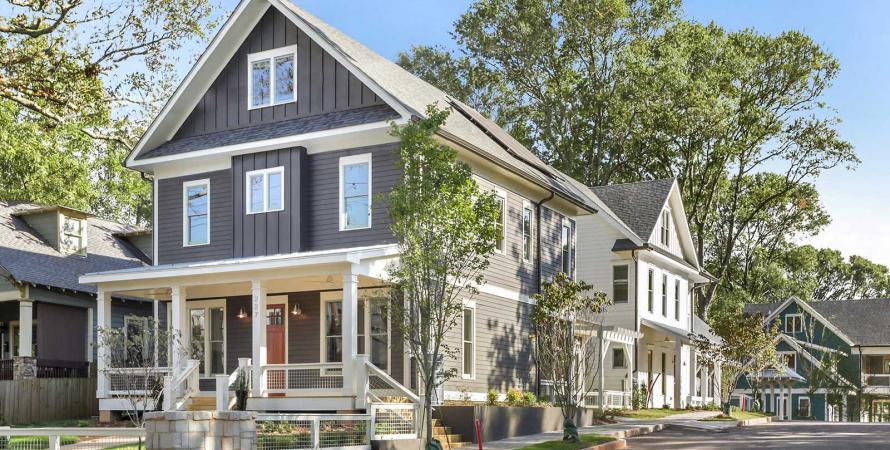
Sophisticated insertion of missing middle
A transit-accessible infill development includes a variety of housing types geared to improving the economics of urban living.Sited behind a historic 1880 “grand home” in the Edgewood neighborhood of Atlanta, LaFrance Walk includes a variety of missing middle housing types within walking distance of the MARTA station and a major retail center. “One of the best aspects of living in LaFrance Walk is its proximity to the...Read more -

Seamless town extension with affordable housing
Tregunnel Hill in Cornwall, England, proves that the principles used in Prince Charles's Poundbury are replicable.In the Village of Newquay a new urban neighborhood has been built with local materials and workers, trained in an apprenticeship program. Nearly 90 percent of the new residents have moved in from the immediate area, a remarkable feat in a popular resort setting. Twenty-eight percent of the units...Read more