-
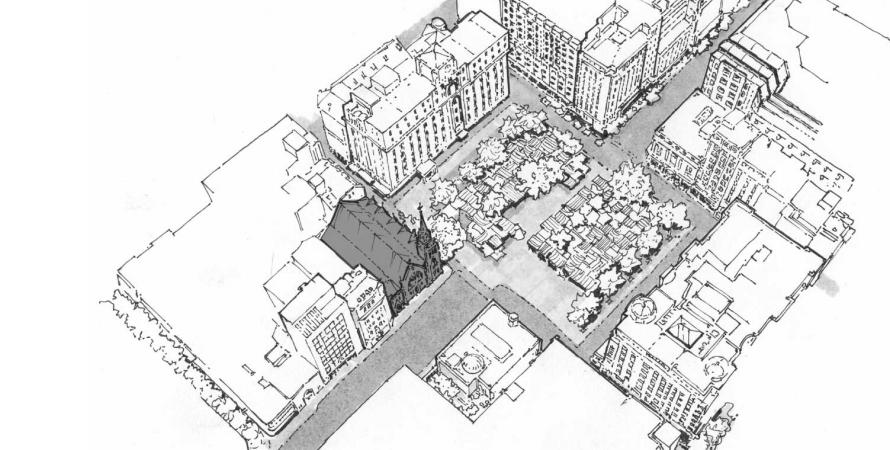
African urbanism made visible
Africa Drawn: One Hundred Cities“Africa is certainly not only a continent of small villages in the jungle and savannah. Its level of diverse urbanization and global network of mobility is advancing rapidly, while African metropolitan regions, cities, and towns are among the fastest growing in the world,” note the authors of...Read more -
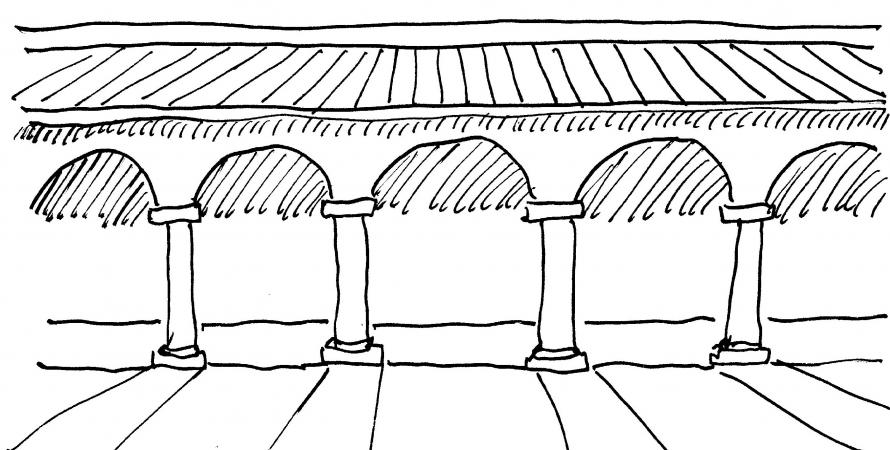
Why we hug the edge of open spaces: Campus design, part 7
Fundamental sensory mechanisms determine how we walk in relation to built structures. This physiological basis must inform the design of pedestrian campus circulation.Author’s note: This is the seventh in a series of ten essays that present innovative techniques for designing and repairing a corporate or university campus. These tools combine New Urbanist principles with Alexandrian design methods. We are physiologically drawn to visual destinations, while the...Read more -
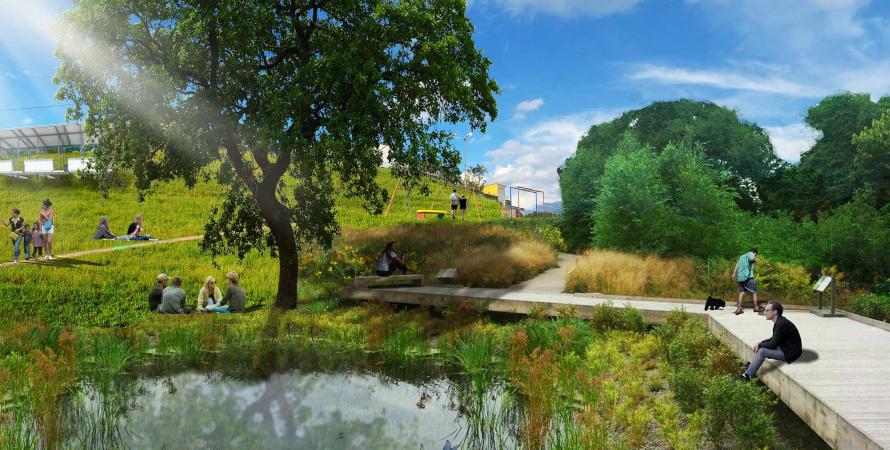
Recovering urban nature for a healthier city
In Curridabat, Costa Rica, new urbanist interventions are combined with park improvements, wetlands, and projects to improve biodiversity.The first city in Costa Rica to adopt form-based coding has created a citywide plan to connect urban neighborhoods to nature. Sweet City is the next phase of a Charter Award-winning plan of 2014. The majority of Curridabat’s 72,500 citizens live among public spaces dominated by asphalt—inhibiting...Read more -

Three fundamental errors in architectural thinking and how to fix them
Identifying mistakes in designers' basic assumptions is a first step to a healthier, more sustainable built environment.This article was previously published in Common\Edge . Editor's note: Research by Ann Sussman, Justin Hollander, and Hanna Carr was presented at CNU 26 in Savannah, Georgia, on use of brain and cognitive science to better inform designers about how people perceive and experience their surroundings...Read more