-
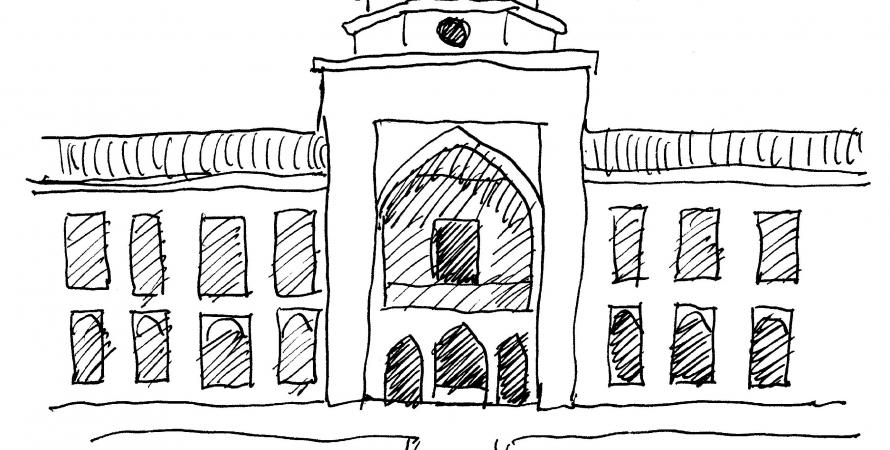
The university campus as a microcosm of tradition: Campus design, part 6
Institutions face a fierce opposition between living campus environments that look old-fashioned, and contemporary architectural expressions, which do not contribute to emotional and physical wellbeing.Author’s note: This is the sixth in a series of ten essays that present innovative techniques for designing and repairing a corporate or university campus. These tools combine New Urbanist principles with Alexandrian design methods. The specific form language of buildings, together with the urban...Read more -
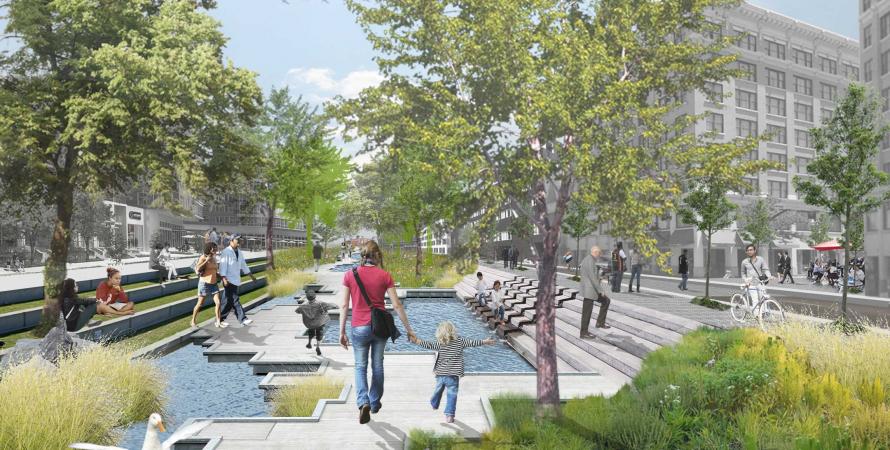
Landscape infrastructure shapes future investment
In Charlottesville, Virginia, 12-acre linear park incorporates stormwater systems into community spaces that allow for new development.The Strategic Area Investment Plan of Charlottesville, Virginia, guides the redevelopment of a former industrial stream valley into a mixed-income, mixed-use urban area that remains connected to its riparian roots. A 12-acre linear ecological park incorporates new stormwater systems while creating...Read more -
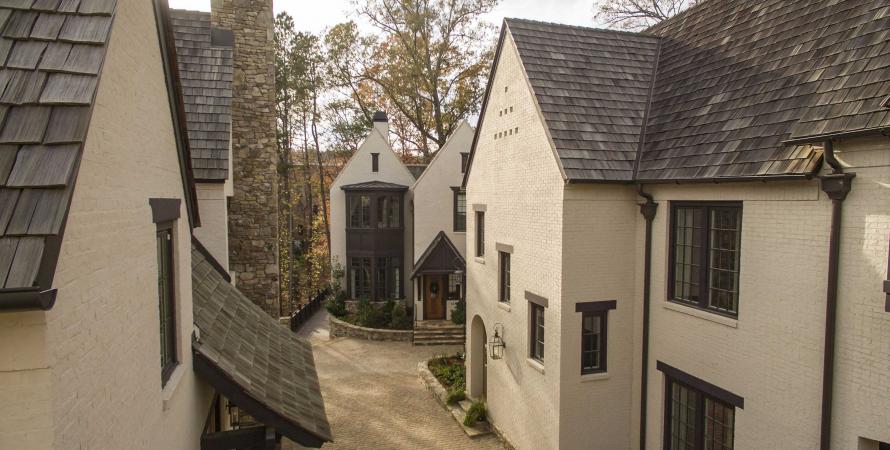
Pedestrian village in a natural landscape
The project inverts the usual relationship between car and human in land development.Swann Wynd incorporates a range of housing types and uses along an emphatically pedestrian-oriented right-of-way that links a main street and an artists’ village that are a quarter-mile apart by automobile. The pedestrian way includes sections of path, a footbridge, and a street—but mostly it is...Read more -
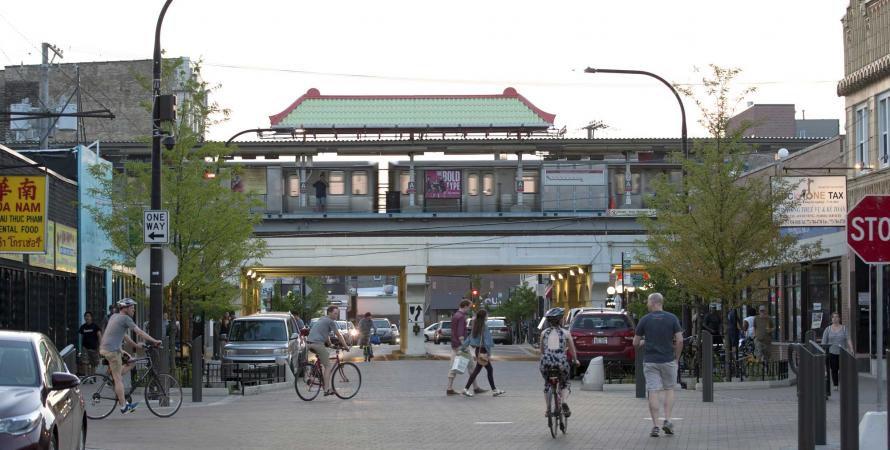
Shared street connects culture and community
The three-block Chicago street design creates a plaza-like feel by raising the street and eliminating raised curbs.Chicago is showing how change in public infrastructure can transform a neighborhood with drug and gang problems. Located in the ethnically Asian Uptown neighborhood, Argyle Shared Street is a shared-use, pedestrian-prioritizing streetscape. “This project creates an area that is more walkable, more...Read more