-
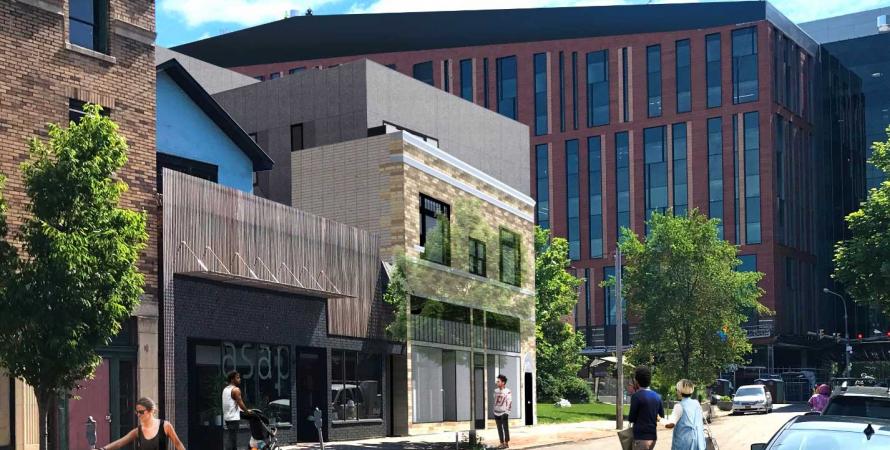
Green Code spurs historic rehab, economic development
One of the few form-based codes to be applied citywide in a regional major city, Buffalo’s ordinance is having a positive impact on neighborhoods and downtown.Buffalo’s Green Code, a form-based code (FBC) that eliminated off-street parking requirements, has now been operating for almost four years. While the Green Code has enabled some new mixed-use infill development, its biggest impact is in facilitating the rehabilitation of historic buildings in a...Read more -
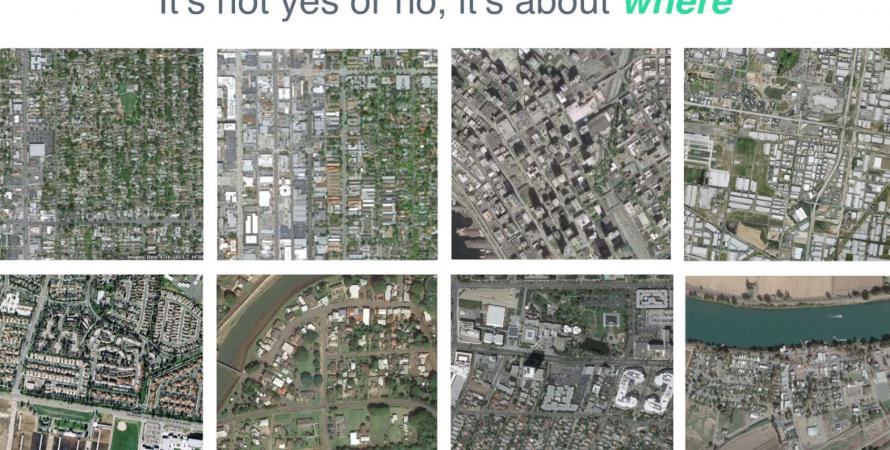
Where are building types needed in land-use codes?
Regulation of building types helps to provide predictability and clearly articulate the intended outcomes in many kinds of walkable neighborhoods, but they are not helpful everywhere.As I wrote in May , building types are important in land-use regulations for many reasons. Now, let’s explore where they are needed. This post focuses on where building types are most effective, where they could be helpful but aren’t necessary, and where they are not necessary and should not be...Read more -
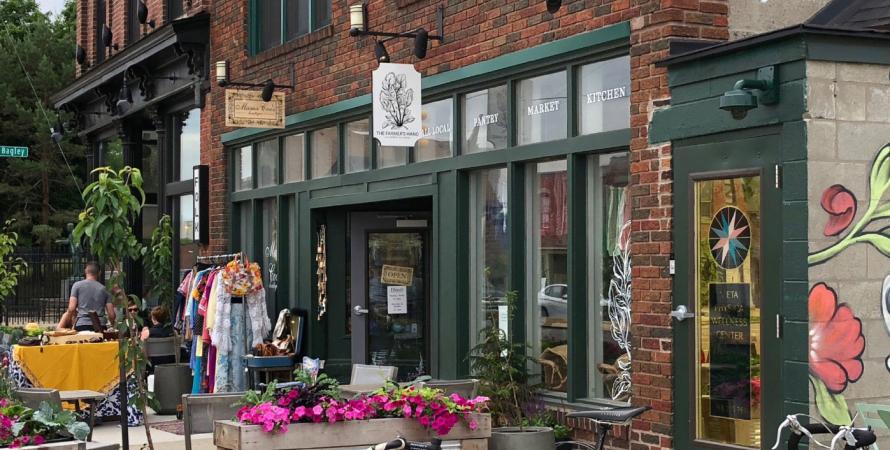
Statewide code reform is a good idea
Although zoning was adopted locally, state legislation is helping to revise community land-use codes for the 21st Century.Many states—Oregon, California, Michigan, Minnesota, and Vermont—have either adopted or are moving forward with legislation that loosens the restrictions on “missing middle housing”—defined as small multifamily units that are similar in scale and compatible alongside single-family dwellings. State...Read more -
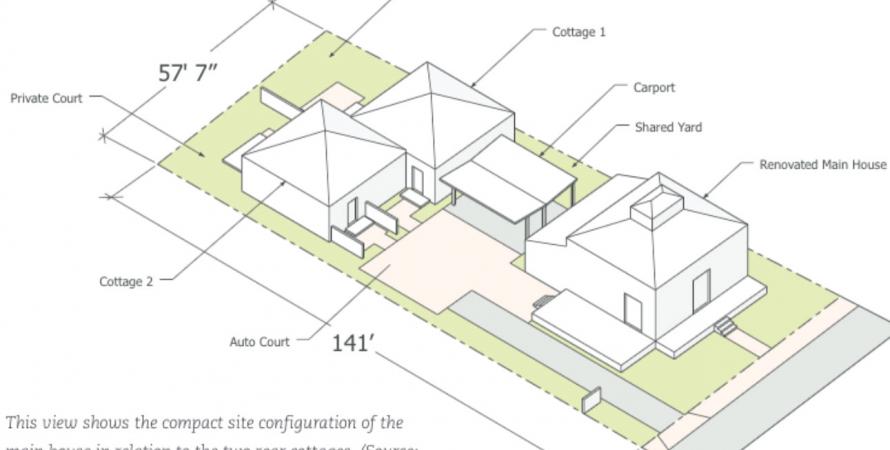
Golden State joins code reform movement
Enabling missing middle housing and compact neighborhoods are at the heart of land-use reforms in many states and cities.California is the latest state to move forward with legislation that will promote more “missing middle housing” on what are now single-family lots throughout the state. The missing middle consists of various low-rise multifamily dwellings that are compatible with, and resemble, single-family homes...Read more