-
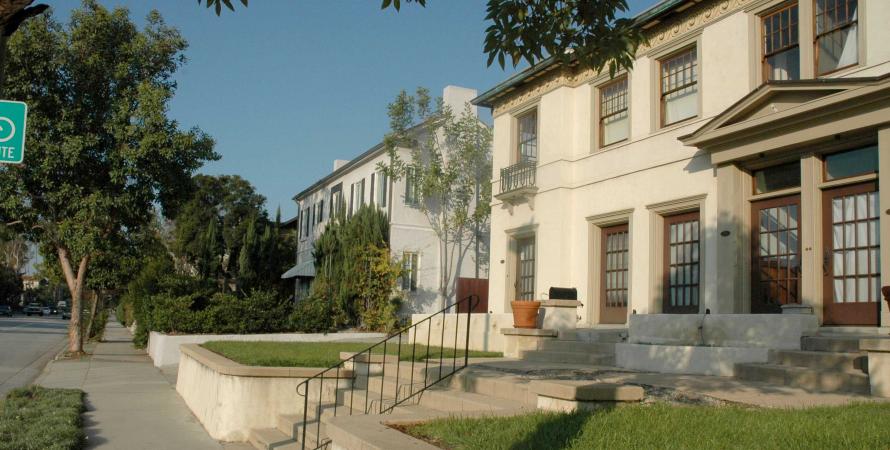
Top 10 misconceptions about form-based codes
Several common assumptions about new urban codes fail to stand up to scrutiny.Since 1981, approximately 600 form-based codes (FBCs) have been prepared for communities across the US, and 362 of them have been adopted. Most of the adoptions have taken place in the past 10 years. But as exciting as that may be, what’s more exciting is that these numbers are miniscule when you...Read more -
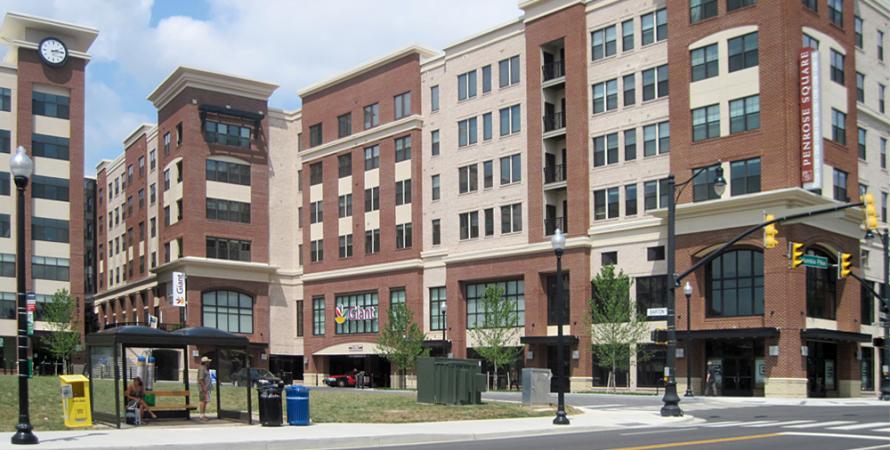
Strategies for project review under a form-based code
While many cities and towns have determined that they need not have additional project review for development that conforms with the code, others are establishing or streamlining project review systems.Form Based Codes (FBCs) allow communities to implement a plan for quality placemaking with a by-right development code, instead of a complicated discretionary design review process. Communities are selecting form-based codes to replace conventional zoning in downtowns and neighborhood centers, not...Read more -
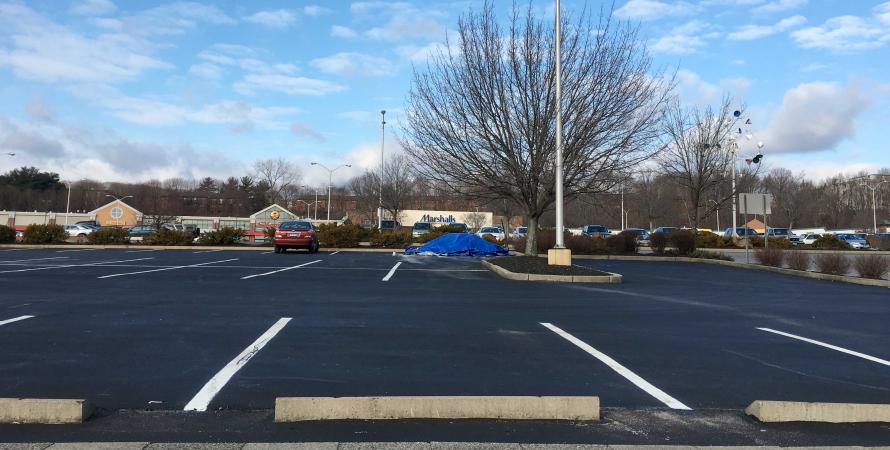
A slow revolution in zoning
Commercial strip arterials in the Nutmeg State are beginning to transform as land-use regulations shift focus from use to the shape and siting of buildings.Dixwell Avenue in Hamden, Connecticut, is an inelegant and jumbled commercial strip, a paean to post-World War II planning, a hurried venue for cars where pedestrians or bike riders venture at considerable risk. For example, at the 1950s-era Hamden Plaza, diners leaving Panera Bread on one side of...Read more