Turning a dead mall into a thriving urban center


The MidCity District replaces a 140-acre failing mall site with a block-and-street network that offers tremendous opportunities to develop valuable real estate supporting a high-quality public realm. The Huntsville, Alabama, project was designed in 2015 and adapted to changes wrought by the pandemic, and is now a nationwide model for dead mall transformation. The principal firm, Urban Design Associates, was recognized by the 2026 Charter Award jury.
The former Madison Square Mall, built in 1984, was surrounded by giant parking lots. By contrast, the MidCity plan creates fine-grained blocks with plentiful building frontages on urban streets. These blocks were designed for flexible uses, accommodating shifts in the market. “Over time, the plan has shifted toward more residential and hospitality uses and smaller, more adaptable office spaces, without sacrificing walkability or urban coherence,” notes the design team. Much of the artistry of the MidCity District lies in skillfully building on the urban frontages and in creatively designing the public realm.
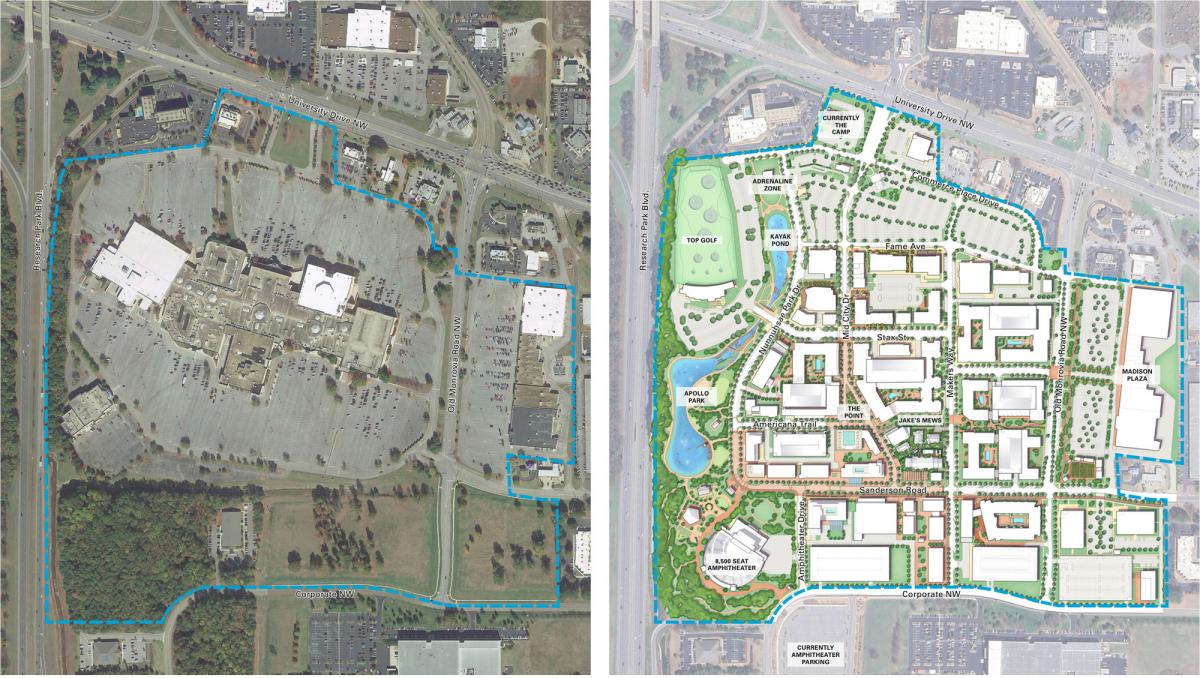
MidCity’s urban structure establishes a legible, walkable public realm. The district functions as a complete neighborhood, in part due to a concerted effort to bring in key tenants. “A successful public campaign brought Trader Joe’s to its second Alabama location within MidCity, signaling community demand and reinforcing the district’s role as a neighborhood center. Additional uses, from local and national coffee shops to restaurants, entertainment venues, and small retail, contribute to an inclusive commercial mix that supports diverse daily activity,” the design team explains.
The result is the antithesis of the inward-facing suburban mall it replaced. Where the mall was isolated behind asphalt and blank walls, MidCity is outward-facing in design, implementation, and ethos.
“MidCity is one of Huntsville’s great success stories,” says Tommy Battle, Mayor of Huntsville. “Through a public-private partnership, we took a ‘dead mall’ and transformed it into a vibrant, walkable district built around people and place. We infused residential, commercial, cultural, and recreational amenities into one of the most sought-after destinations for residents and visitors.”
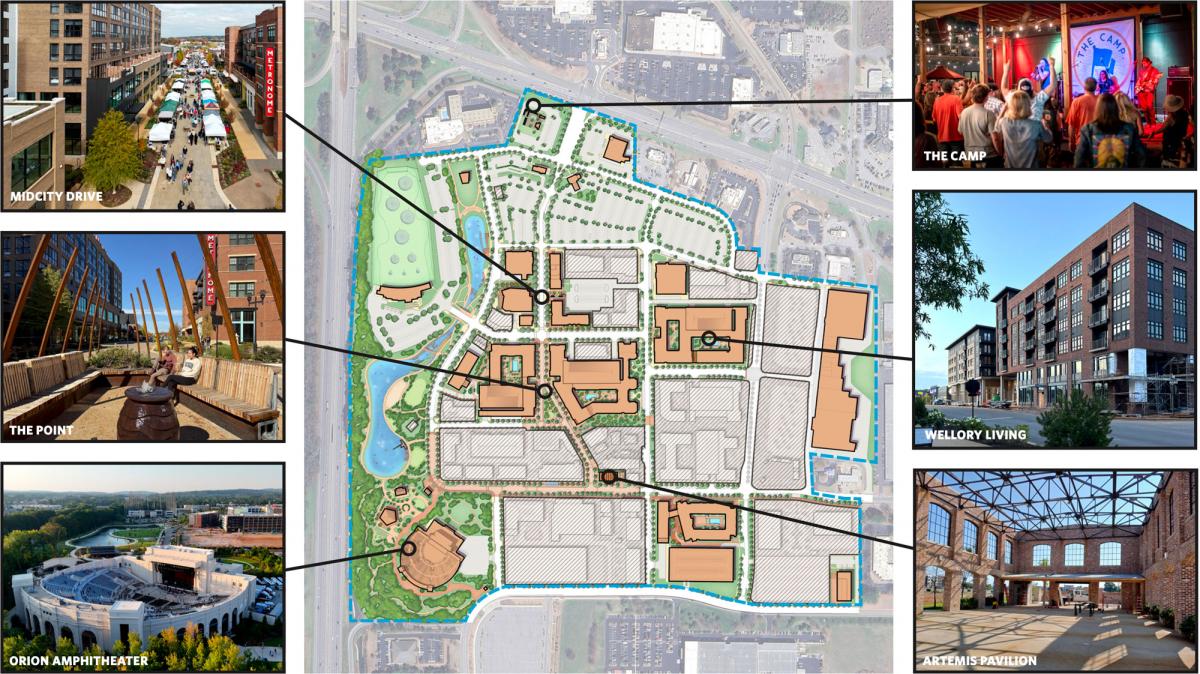
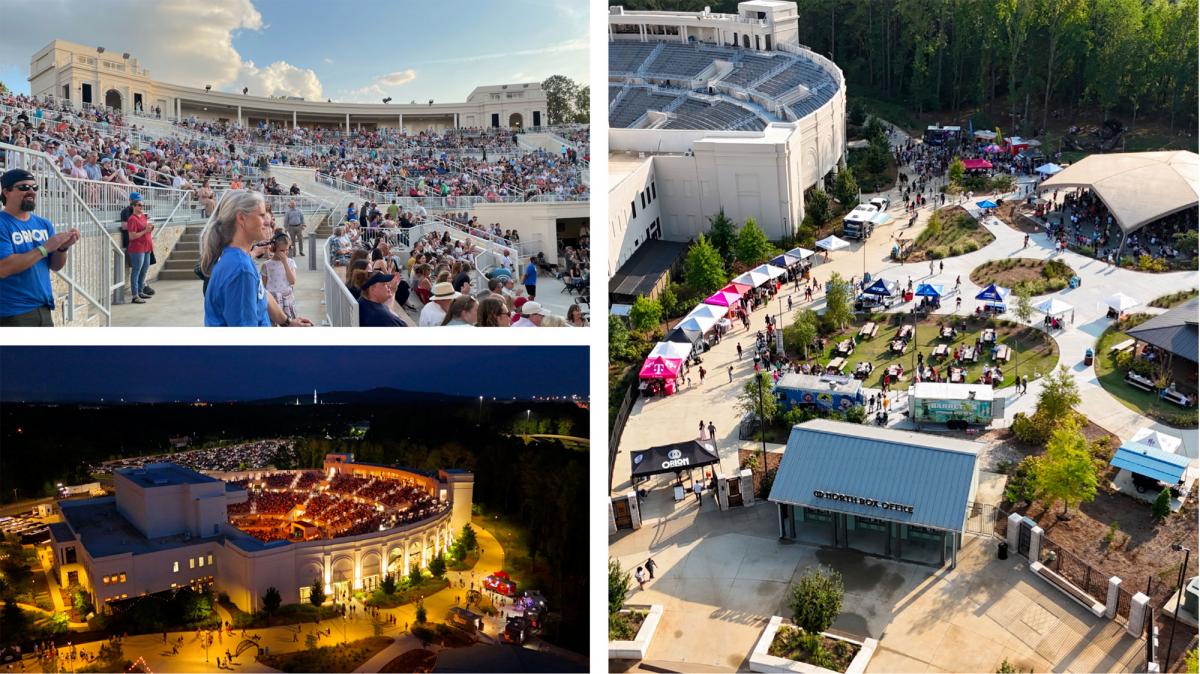
At 1.6 million square feet, MidCity District is nearly 50 percent complete. Already, its 1.7 million square feet of development includes 1,260 living spaces, 310,000 square feet of retail, 35,000 square feet of office, 300-plus hotel rooms, and two music venues. The latter includes the magnificent 8,500-seat Orion Amphitheater, designed by David M. Schwarz Architects. The total buildout, expected in 2032, will include 4 million square feet of development. The project has notable elements:
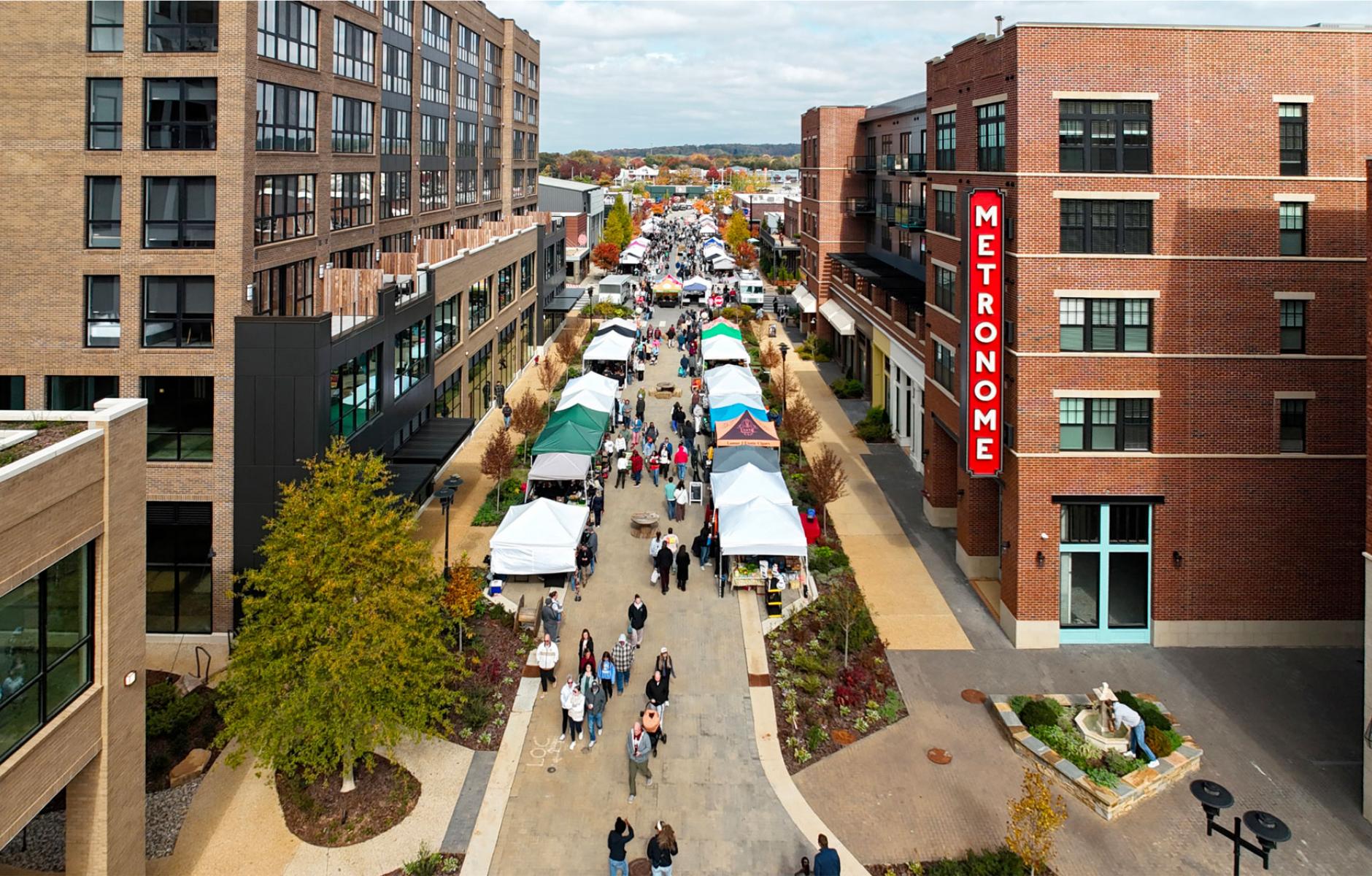
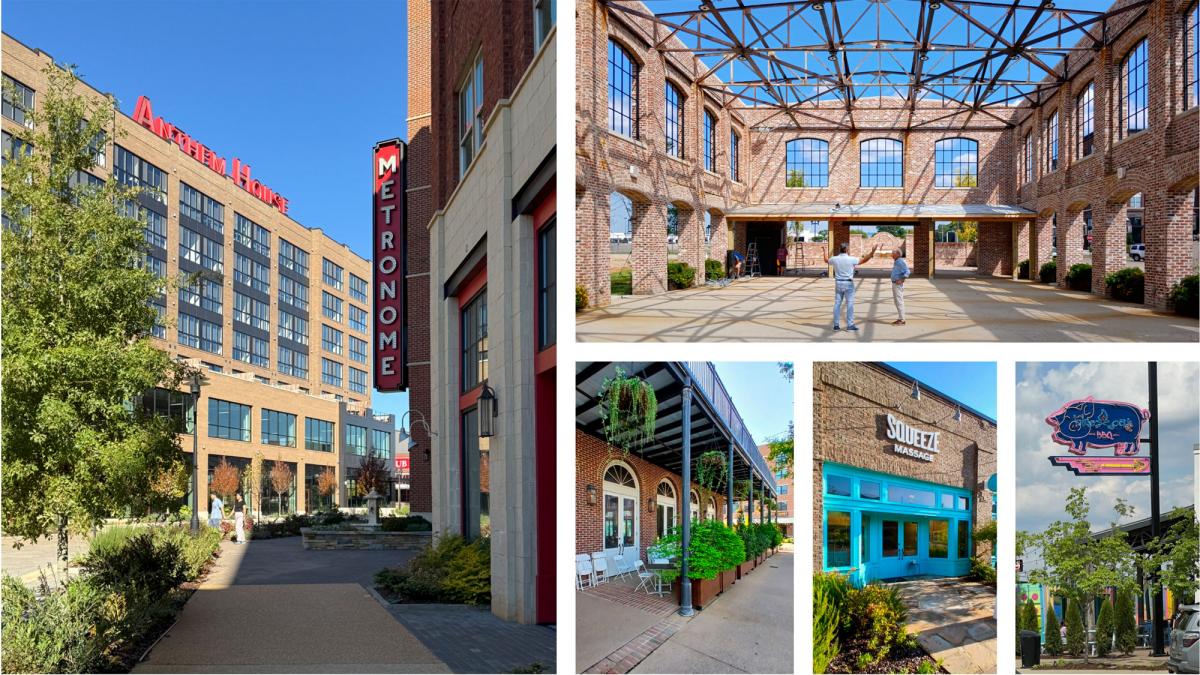
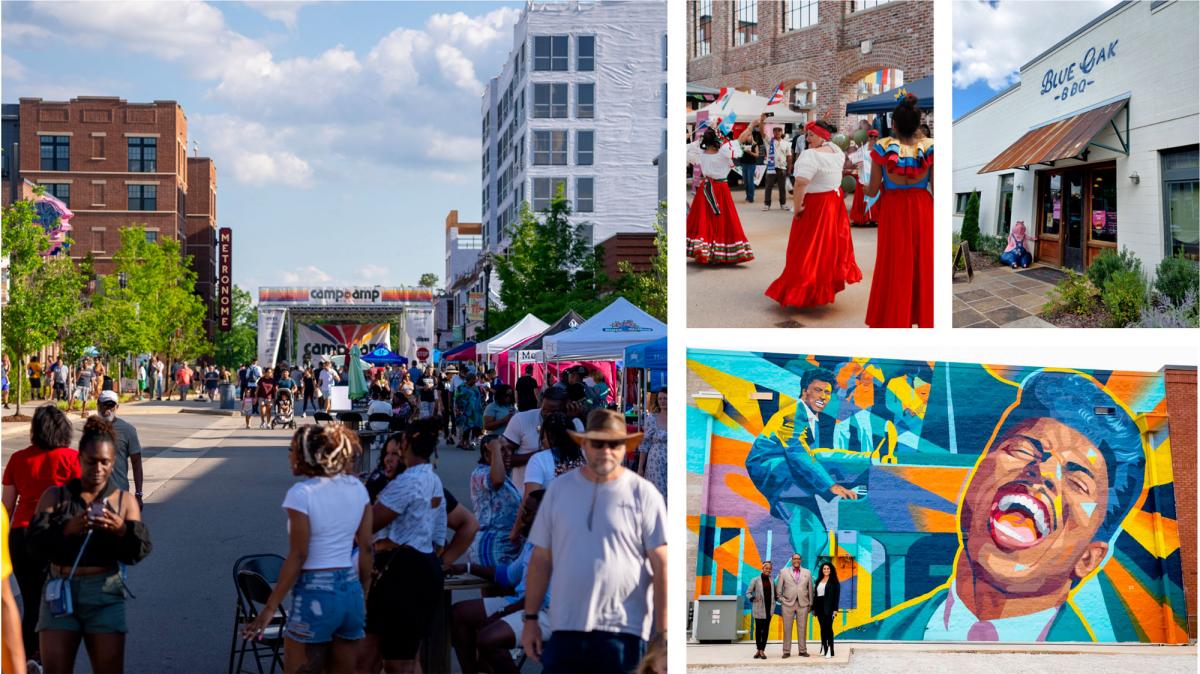
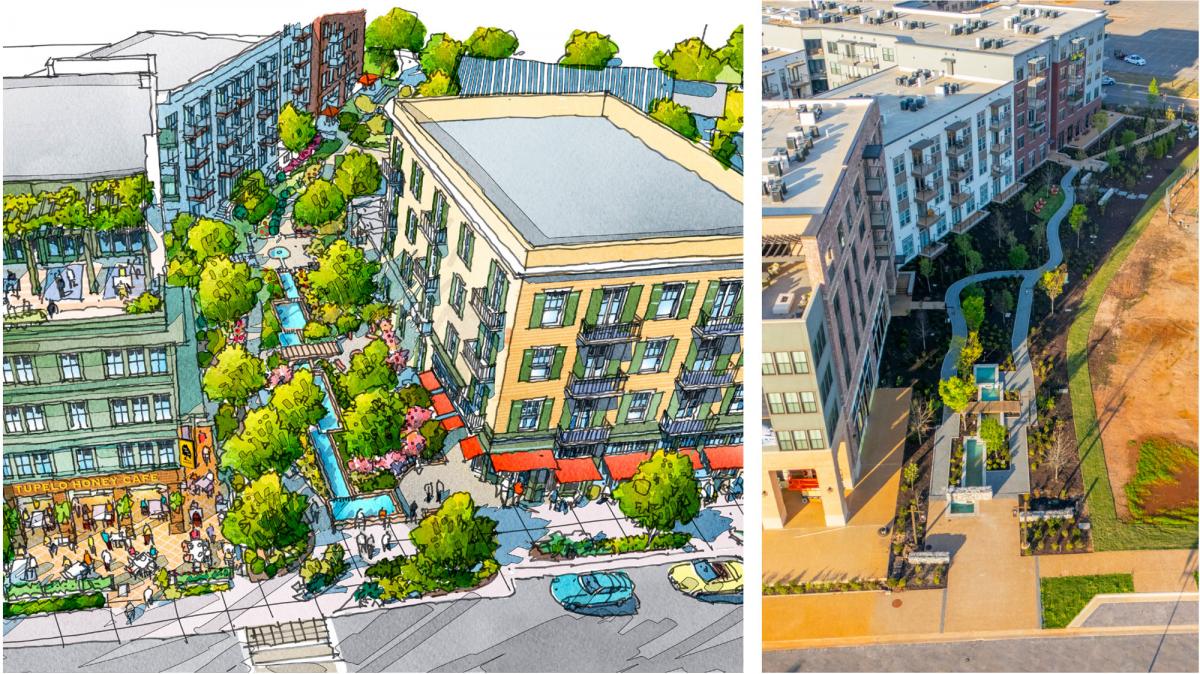
Streets as public spaces. They build upon the new urban structure, employing design excellence in public spaces and architecture. “Pedestrian-focused streets, paseos, and layered open spaces create a flexible, human-scaled environment capable of hosting large civic events. Vertical and horizontal integration of residential, retail, and civic functions ensures neighborhood completeness and vibrant street life. Active frontages, including balconies and porches, provide ‘eyes on the street,’ promoting safety and social interaction,” the team explains. Curbless “shared streets” and car-free mews streets are included in the plan.
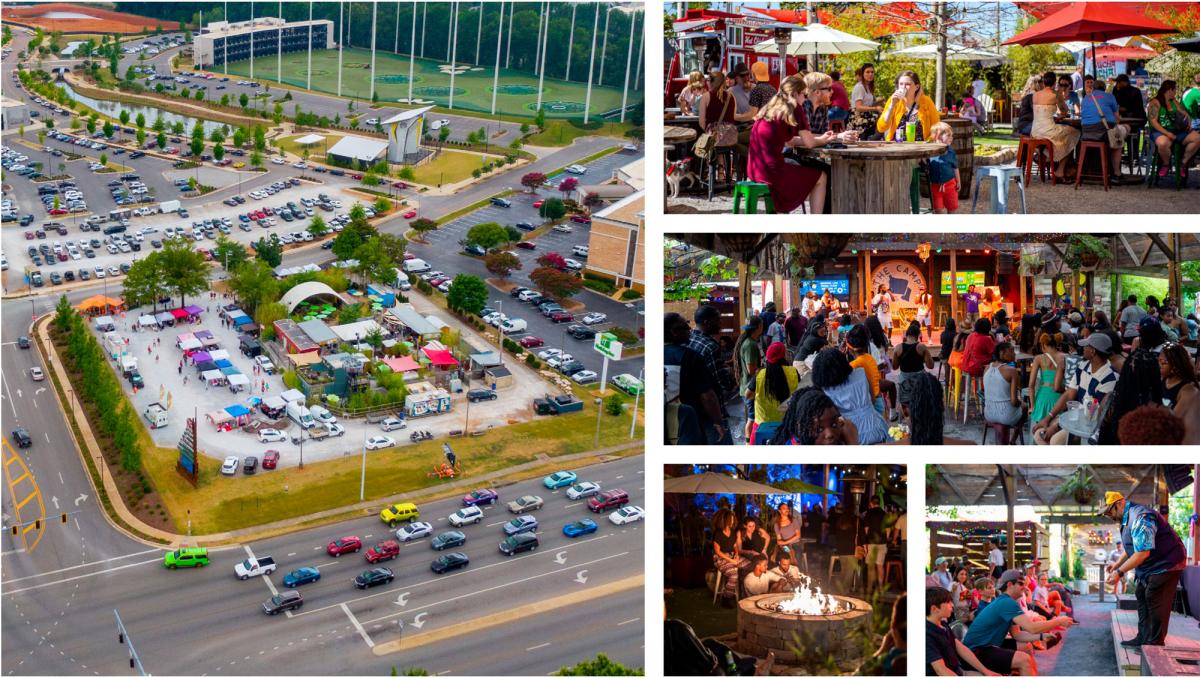
Creative activation. “The Camp” was established early—before full construction—as a temporary pop-up venue to signal transformation and invite the community onto the site, the team explains. It allowed for market-responsive investments that informed future phases. The Camp has evolved into a permanent feature, a central gathering place and music venue, and includes hosting The Market at MidCity, which draws 40,000-plus annual visitors, and a small-business incubator. It will move from its early activation location to the heart of the master plan in the coming years.
Supportive public policy. “Implementing a district-wide form-based code enabled predictable building forms, cohesive streetscapes, and flexible tenanting while reducing bureaucratic uncertainty. Adaptive zoning strategies allowed temporary uses, pop-up programming, and phased construction, illustrating regulatory approaches that support incremental and responsive urbanism.”
Culture. Situated within a predominantly rural region, MidCity provides Huntsville with a concentrated destination for dining, events, and arts, the team explains. Festivals, public art, and murals integrated into building facades are central to the district’s identity and community life. “What sets MidCity apart is its grounding in culture as an economic catalyst. Gener8tor MidCity supports more than 100 companies, has created over 700 jobs, and raised $20M+ in capital. Culinary partnerships with Auburn University and Hatch extend opportunity, workforce training, and identity—making MidCity a model of New Urbanism rooted in place and people,” the team explains.
Dennis Madsen, Manager of Urban and Long Range Planning for the City, sums up MidCity's impact: “Not only has it breathed new life into a struggling site, it has grown into a key quality-of-life asset for one of our most important employment centers (Cummings Research Park, the second largest research park in the United States), become a recruiting tool for Huntsville’s colleges and universities, and spurred reinvestment along a crucial commercial corridor (US-72W, aka University Drive). ... As a planner, I’m generally an optimistic person, but the maturation of MidCity has surpassed my wildest expectations.”
MidCity District
- Urban Design Associates, Principal firm
- RCP Companies, Nadia Niakossary, Senior Director of Development
- RCP Companies, Max Grelier, Co-Founder/Executive
2026 CNU Charter Awards Jury
- Eric Kronberg (chair), Principal, Kronberg Urbanists + Architects in Atlanta, GA
- Majora Carter, CEO of Majora Carter Group in the Bronx, New York City
- Marques King, Studio Director + Senior Architect, Pure Architects, Detroit, MI
- Jeremy Lake, Principal, Union Studio Architecture & Community Design, Providence, RI
- Joanna L. Lombard, Distinguished Professor at the University of Miami School of Architecture, FL
- Rico Quirindongo, Director, City of Seattle Office of Planning and Community Development
- Ashley Terry, Director, President of Development at Pivot Real Estate, Oklahoma City, OK