-
A small ‘c’ conservative case for urbanism
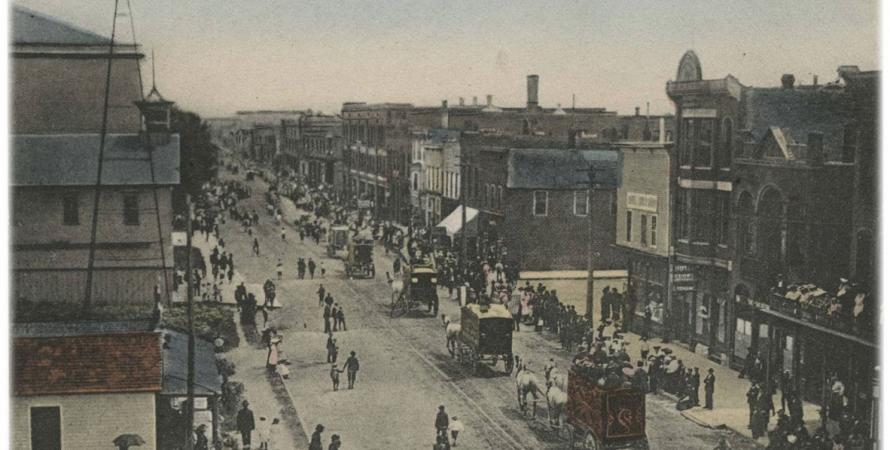
Brainerd, Minnesota, Lafayette, Louisiana, and place called Jimmy's Pizza highlight the advantages of incremental design and development—and show why car-oriented development turns out to be a very poor investment.Note: This article is a summary of talk given by Chuck Marohn of Strong Towns at an event that CNU co-sponsored a while back with The American Conservative . View the whole talk here. No society in history has ever done what we have done: taken thousands of years of history and knowledge about how...Read more -
Alexander’s Oregon patterns: Campus design, part 2
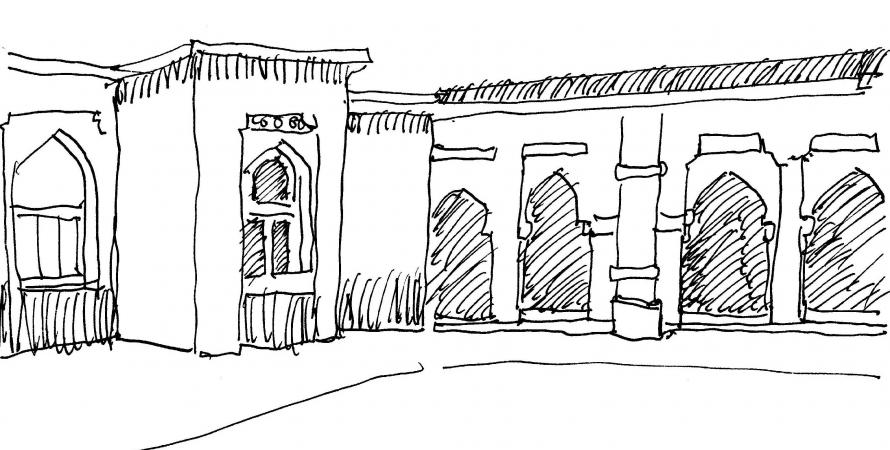
This is the second in a series of ten essays that present innovative techniques for designing and repairing a corporate or university campus. These tools combine New Urbanist principles with Alexandrian design methods. Even though Christopher Alexander is widely known for his “Pattern Language”, an...Read more -

Catalytic development for walkable urban places
Catalytic development takes place where strategic, integrated investments are made in a concentrated, walkable urban area.Why did Dan Gilbert invest billions in downtown Detroit and stake his home-loan empire on a city going through bankruptcy? Financial experts would caution against such a move—but it appears to be paying off as Gilbert buys more and more property and announces ever larger deals. Gilbert’s Rock...Read more -

New Pioneers: Lean Urbanism in America
An entertaining book outlines how ordinary citizens can rebuild cities without the help or hindrance of big developers, big finance, and government bureaucrats.The New Pioneers: How Entrepreneurs are Defying the System to Rebuild the Cities and Towns of America, is one of the more entertaining and readable books on urbanism that I have come across in a long time. The subject is Lean Urbanism—“Making Small Possible”—a concept that has gained a fair amount...Read more