-
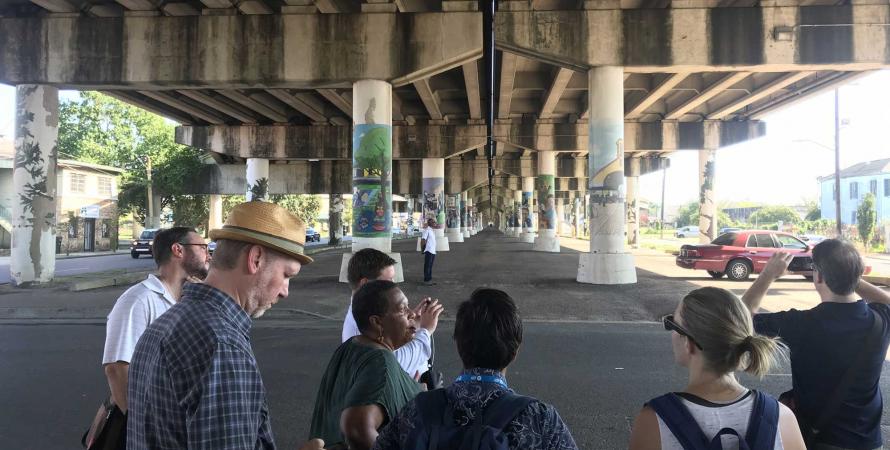
Connecting to reclaim communities
CNU's 2018 Transportation Summit united local groups that battle to remove disruptive urban highway segments“Caused folks around here a lot of heartburn.” With this phrase, Amy Stelly described the ongoing anguish that the Claiborne Expressway has caused for the members of the predominantly African-American community of New Orleans’ Tremé neighborhood. Ten years ago, Stelly helped found the Claiborne...Read more -
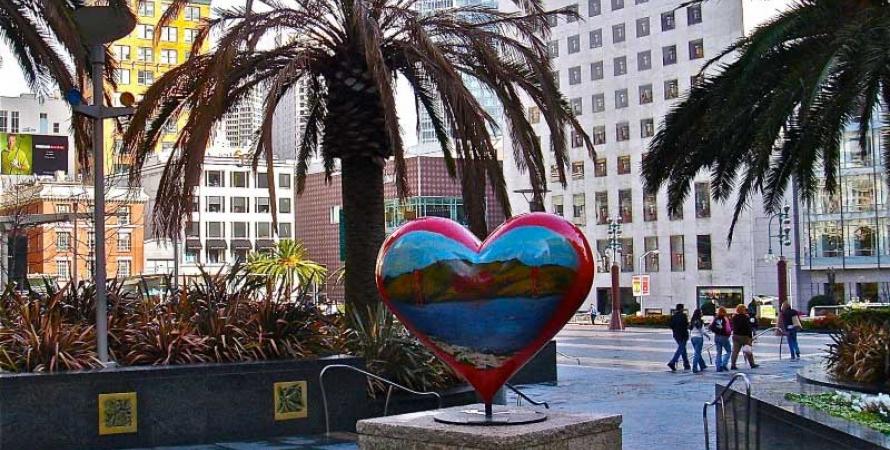
Overselling utopia? The urbanist’s dilemma
Do we risk overselling smart growth, placemaking or other urbanist concepts today, without taking heed of social and market realities?Generally speaking, the description of any Utopia that involves many details is apt to be an unconvincing way to present a principle which can be applied effectively in practice with immense flexibility as to details … —Frederick Law Olmsted, Jr. to Henry James, July 10, 1924, Papers, Regional Plan...Read more -
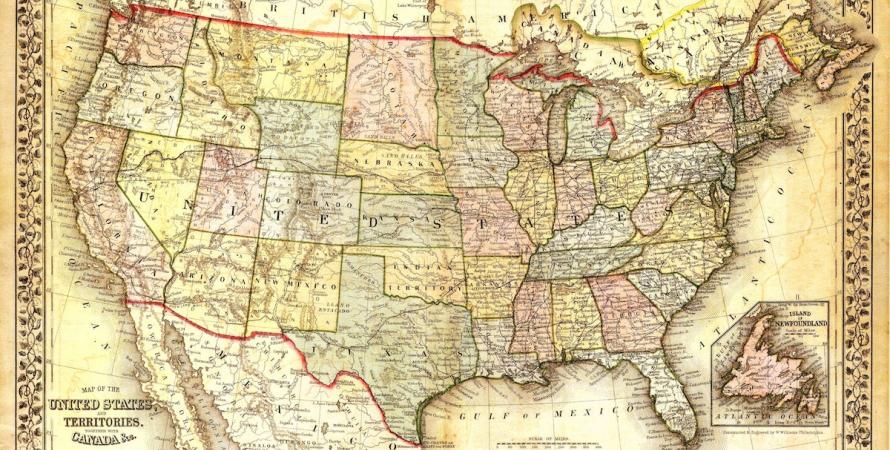
A map of every building in America
A new database makes every single structure in the United States visibleThe New York Times has put out a fascinating set of maps revealing building patterns across the United States, using Microsoft's Building Footprints , the first comprehensive database of the built environment in the nation. Using the data, the NYT team assembled portraits of the nation's...Read more -
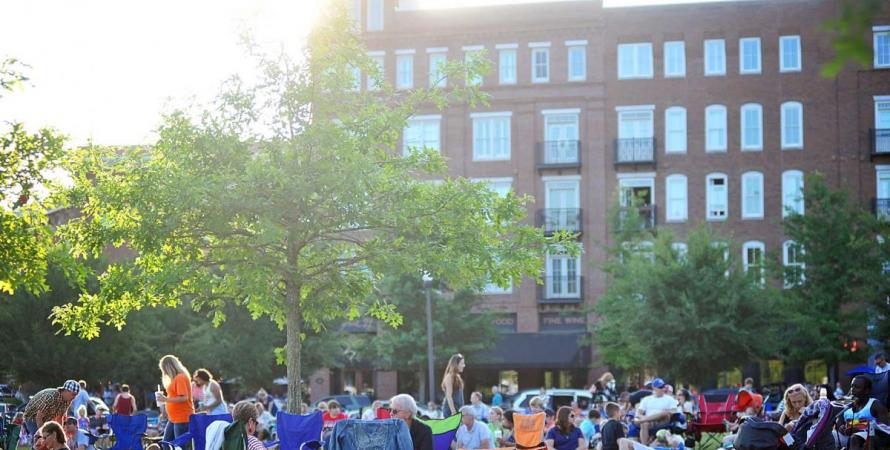
Mixed-use neighborhood reshapes suburban landscape
Providence in Huntsville introduces a new development pattern that converts an arterial to a main street, provides nightlife and civic spaces, and adds a diverse school.An walkable neighborhood and center have taken shape in the unlikely locale of Northwest Huntsville, Alabama— an area characterized by car dealerships, big box stores, apartment complexes, industrial parks, subdivisions, and single-family houses. Through more than a decade of design and development...Read more