-
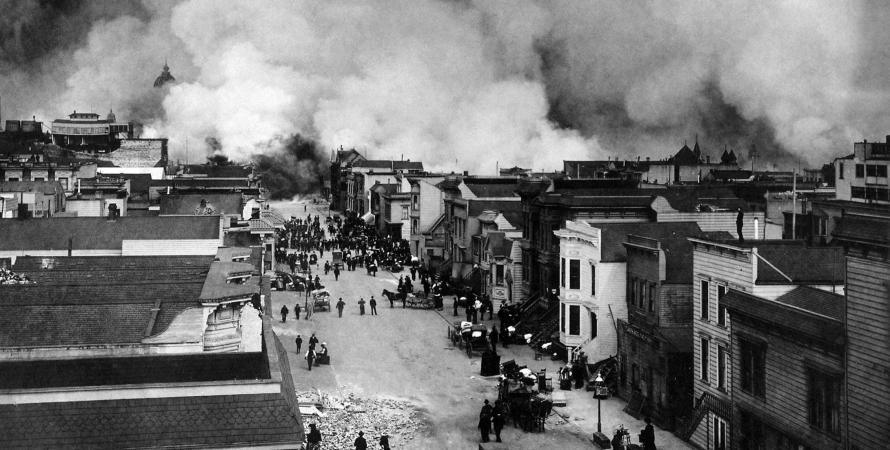
Beyond resilience: Toward ‘antifragile’ urbanism
Let’s embrace and empower the collective skill in producing beautiful and well-adapted habitat, which is evident throughout human history.Resilience is a hot topic in urbanism today—and understandably so, given the increasing prevalence of storms, floods, fires, heat waves, and other potential disruptions to urban well-being. But we might consider another level of organization beyond resilience—what has been termed “antifragility.”...Read more -
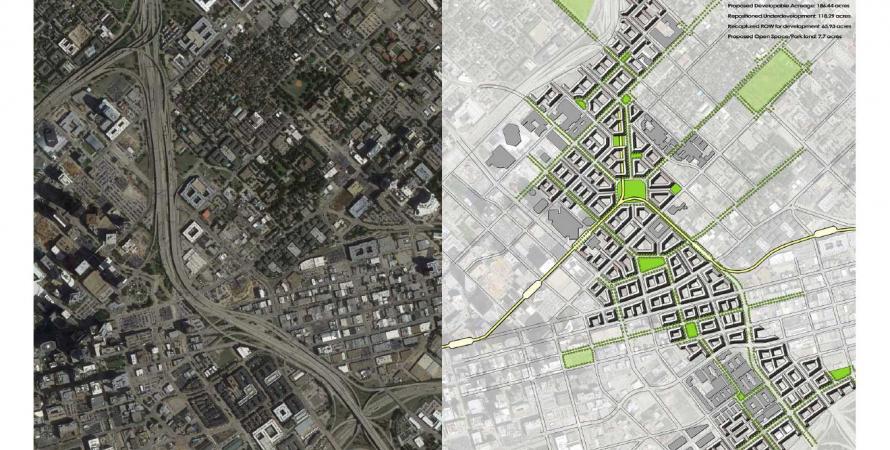
A corridor of opportunities
Out of all of the CNU Freeways Without Futures picks, I-345 in Dallas probably has the most potential to create new mixed-use development as it reconnects downtown to a historic neighborhood.Since 2013, local advocacy group A New Dallas has captured public attention and made a strong case to remove I-345, an imposing concrete barrier that divides the city’s historic Deep Ellum neighborhood from downtown and has spawned vacant lots and disinvestment along its 1.4-mile path. As a result...Read more -
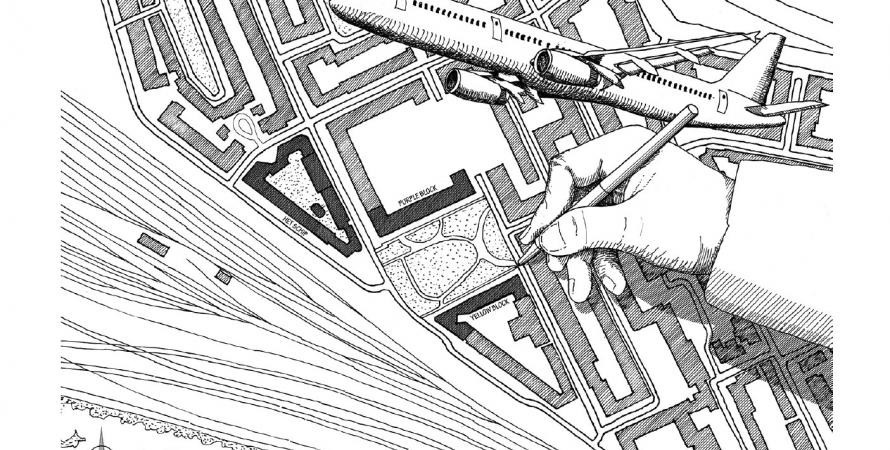
Lessons from travel: Het Schip
Amsterdam architect Michel de Klerk and the patronage of Dutch merchants in the early 20th Century are an inspiration to today's wealthy classes on how to provide beautiful housing that is affordable to today's working class.I love to travel. Every trip widens my bandwidth, challenges my orthodoxy, introduces ingenious solutions to seemingly unsurmountable problems, and exposes me to the choices people make in living their lives as individuals and as a community. My recent trip to the Netherlands provided several such...Read more -
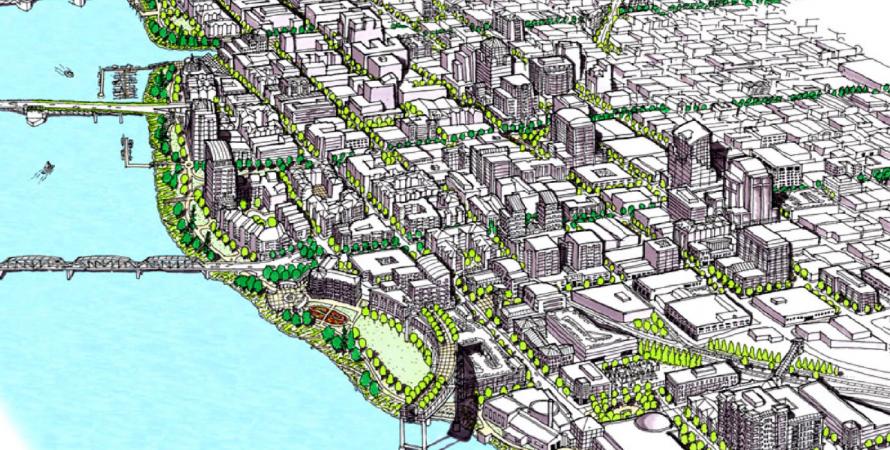
A chance to repeat history
Portland, Oregon, could open up the east bank of the Willamette River to adjacent neighborhoods and duplicate the success of the removal of Harbor Drive.Portland is a tale of two waterfronts. On the west bank of the Willamette River, Waterfront Park offers Portland’s residents direct access to the river in place of the former route of Harbor Drive, a freeway removed by the city in 1974. On the river’s east bank, I-5 deprives the growing Central...Read more