-
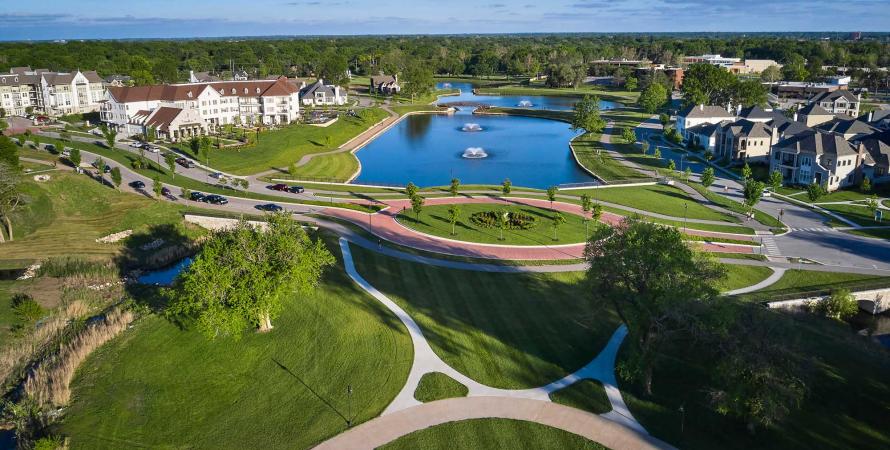
A practical ‘landscape urbanism’ in a postwar suburb
A centrally located former golf course becomes a new park of regional importance, through strategic development of a portion of the site.Meadowbrook Park doesn’t look a lot like typical New Urbanism, yet it provides usable parkland and diversity of living spaces to Prairie Village, Kansas. The surrounding neighborhoods of single-family houses, built in the 1940s and 1950s, are better for it because they previously lacked access to...Read more -
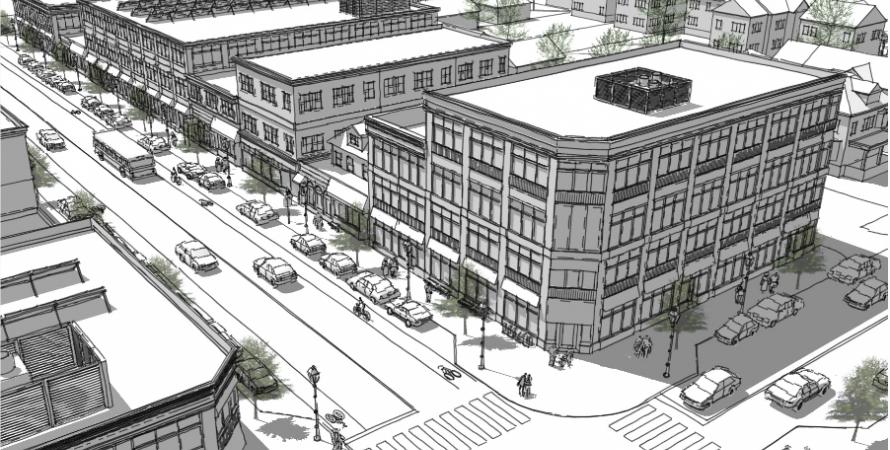
Form-based codes haven't translated to gentrification, study reports
Form-based codes have significant benefits, the question is whether these benefits are distributed equally.Form-based codes (FBCs) do not appear to lead to gentrification and they are associated with higher levels of multi-unit structures, according to a research paper by University of Chicago professor Emily Talen. In “ The socio-economic context of form-based codes ,” Talen notes that research has...Read more -
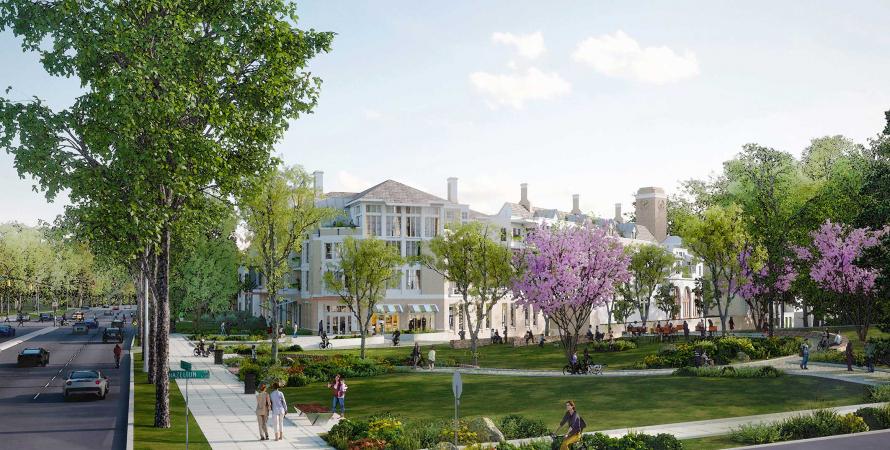
A new model for continuing care
As Baby Boomers enter the market for retirement communities, they are demanding different models from the typical facilities of today, where the most prominent public feature is often a parking lot behind a gated entry. Some continuing care retirement communities (CCRC) are experimenting with...Read more -
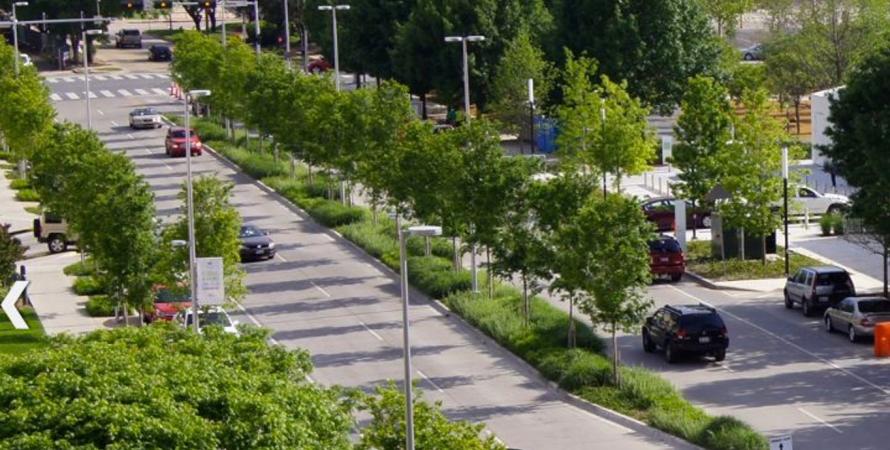
How downtown Oklahoma City did a 180
The city used a bad assessment on walkability, and a skyscraper development, as the impetus and means to transform downtown’s public realm, boosting tourism, the economy, and quality of life.Oklahoma City, which ranked dead last in Prevention Magazine’s 2008 assessment of sizable American cities for walkability, soon after commissioned a report on how to improve conditions for pedestrians downtown. An initial analysis by Speck & Associates found that Oklahoma City’s streets were...Read more