-
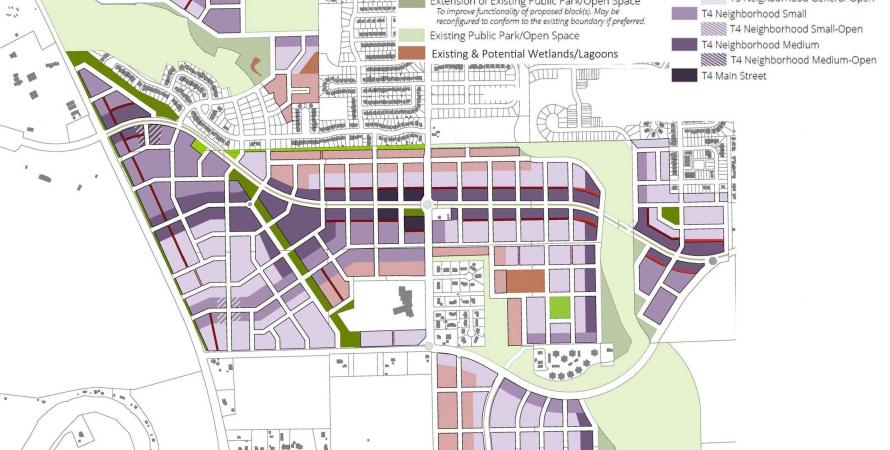
Form coding planned to change pattern of growth in Iowa City
Update: The South District plan and code were adopted by City Council October 5. Iowa City, Iowa, is moving to adopt a form-based code on a 900-acre district on the southern edge of town (see regulating plan above). The area is adjacent to a suburban ring of development that has surrounded the core...Read more -
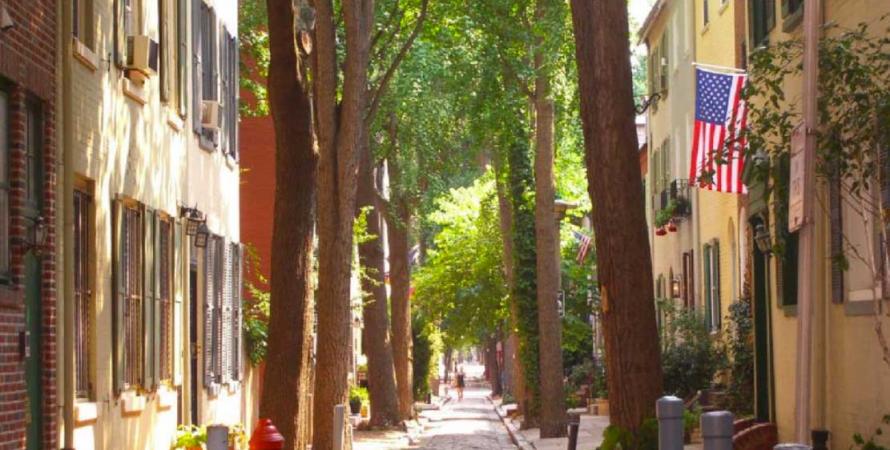
New urban opportunity: Alleys, mews, and accessory units
The unsung alley has the potential to create an intimate American urbanism, it just needs a little attention from urban designers.Alleys were a neglected and unused element of the American built environment for at least a half century, until they made a comeback through the New Urbanism in the 1980s. Traditional neighborhoods developments (TNDs) included alleys for trash collection, utilities, and the primary purpose—to move...Read more -
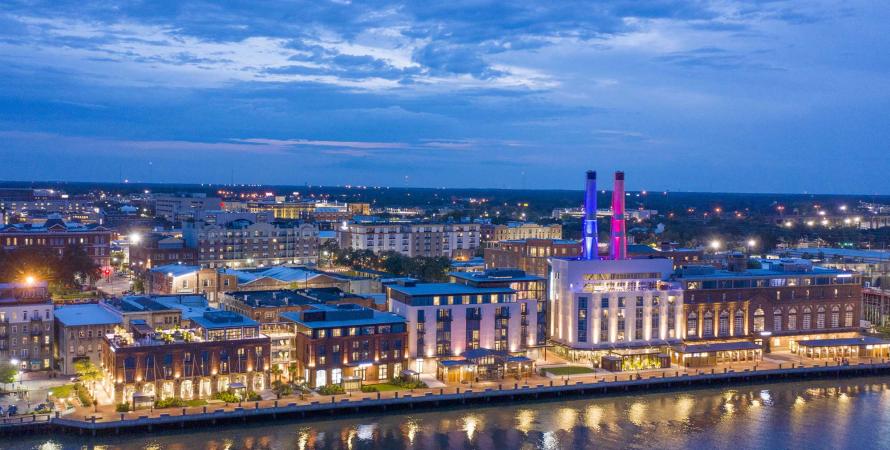
A little vision, a small site on the water, makes a huge asset
Even a small waterfront site can turn into a social and economic draw for a city or town.Ever since, perhaps, our evolutionary predecessors made their way out of the marine environment onto land, people have been attracted to the water—socially, economically, and aesthetically. Recent CNU Charter Award winners have been waterfront projects—especially the 2020 and 2021 Grand Prizes. A...Read more -
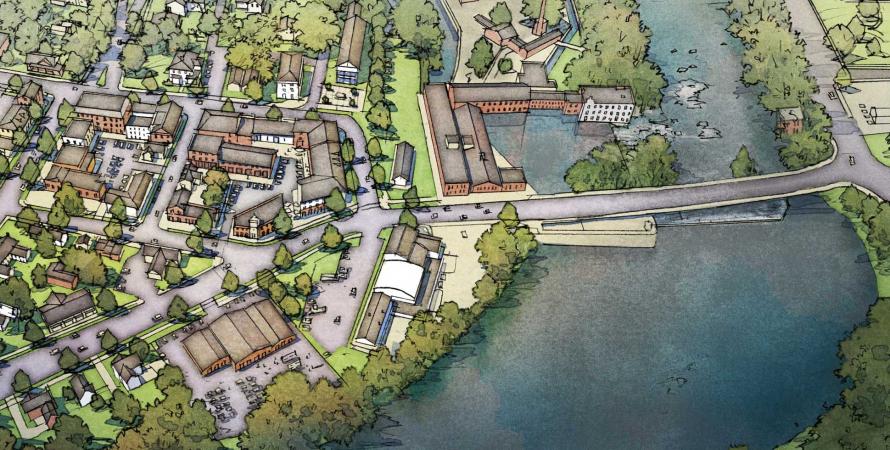
Form-based codes boost tax revenue and construction, don’t catalyze gentrification
New report aligns with other recent research that form-based codes have not translated to gentrification.Form-based codes generate economic benefits without significantly altering the racial makeup of communities—and while keeping rent increases down—according to a new report and study called Economic Benefits & Shared Prosperity with Form-Based Codes , by The Form-Based Codes Institute and Smart...Read more