-
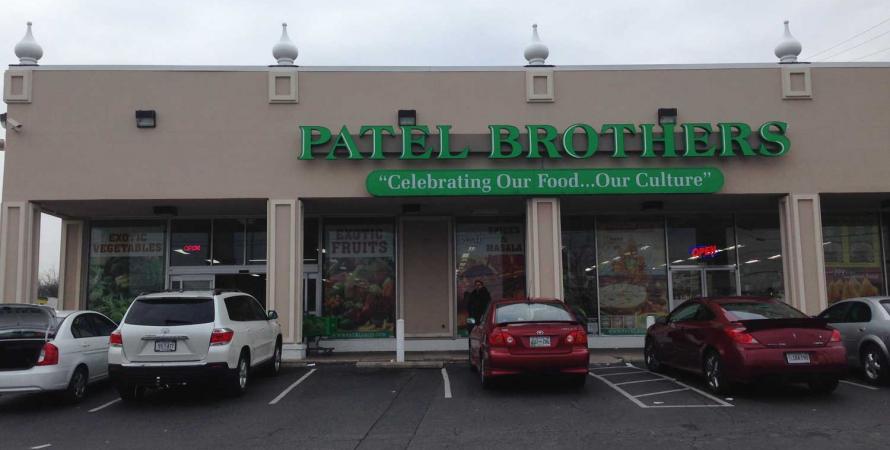
Pattern retrofitting with immigrants
This is Part 4 of a series on retrofitting urban patterns to create more resilient places where decentralized capital can flourish. This article, the last of the series, discusses how immigrants may play a role in getting us there.Note: See Part 1 , Part 2 , and Part 3 of this series. This article series has used Cobb County, near Atlanta, Georgia, as a muse. Much has been written recently about Cobb County on the national stage and it’s a place I know well. But realistically, is Cobb County a good cultural candidatefor...Read more -
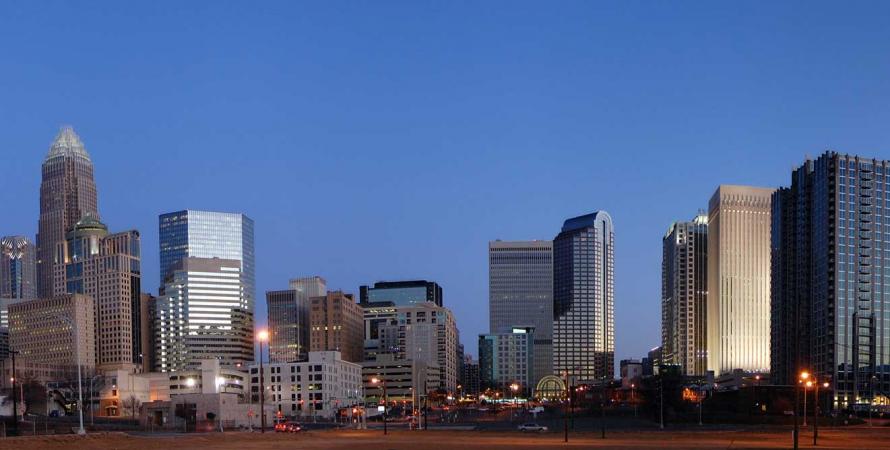
Pattern retrofit for resilience options
This is part 2 of a series on retrofitting urban patterns to create more resilient places where decentralized capital can flourish.It is understandable if leaders of places like Cobb County, Georgia, a poster child for American sprawl, are not interested in addressing their deep urban pattern problems. Fixing underlying block, street, and lot patterns is not a sexy topic like architecture, placemaking, or major economic...Read more -

A suburban town looks at retrofit options
With transit on the way, Amherst, New York, reimagines its future.Amherst, a 122,000-population suburban town adjacent to the City of Buffalo, New York, is going through a transition. Buffalo's mass transit line is planned to be extended into Amherst, presenting an opportunity for mixed-use, transit-oriented nodes. This suburban retrofit opportunity would...Read more -
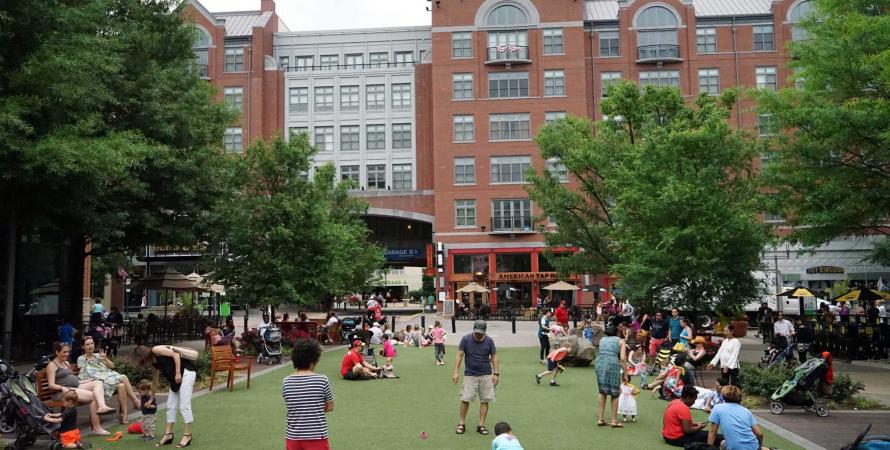
Mixed-use suburban retrofit in Rockville
Rockville Town Square combines transit and placemaking in a mixed-use retrofit.In a “misguided attempt at renewal,” wrote The Washington Post , Rockville Maryland “allowed a fortress-like mall to be built in the 1970s.” That project damaged Rockville’s downtown economically and socially for three decades, until the city and county teamed with a developer to build Rockville...Read more