-
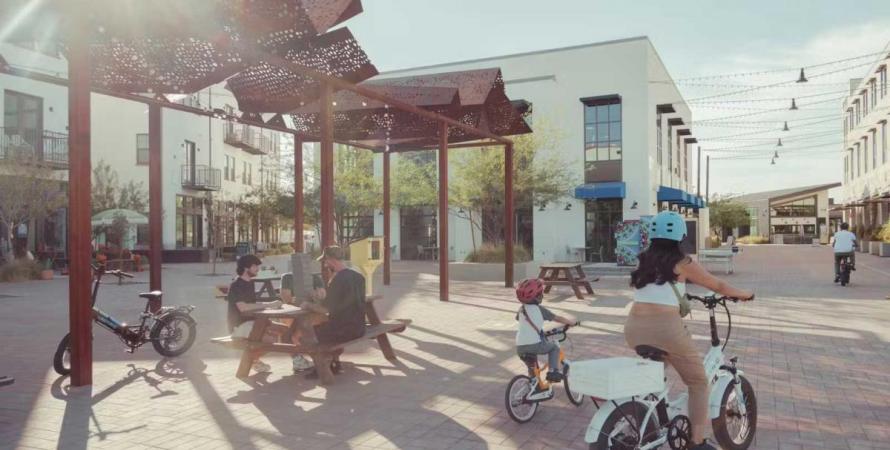
Nearly one in five is interested in car-free living
Authors of an academic survey recommend zoning and parking reform, as well as investing in alternative transportation, to enable car-free living.In a first-of-its-kind national survey , 18 percent of US adults express interest in “car-free” living, and an additional 40 percent are open to the idea. That is in addition to 10 percent of US households that currently live without a car. The research is conducted by the planning and economics...Read more -
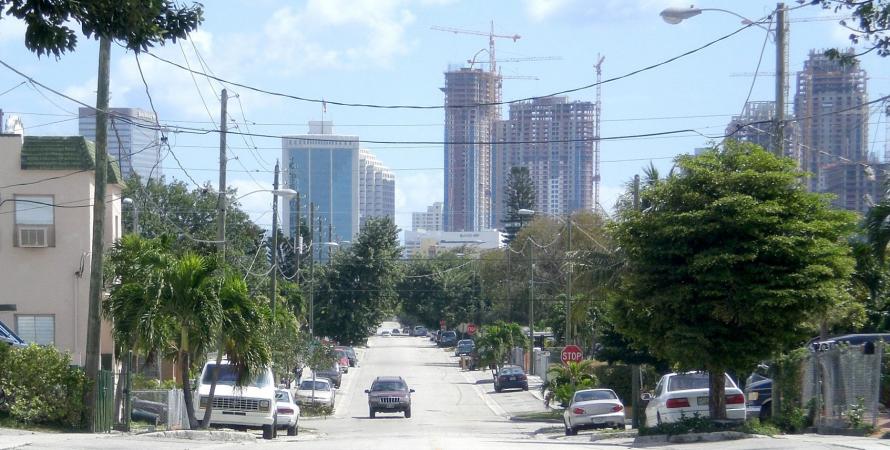
Benefits of urbanism outweigh costs
An analysis of the Miami 21 zoning code, a bold policy move that bets on urbanism, shows that its focus on walkability drives higher demand for neighborhood living.Miami, Florida, was the first major city to adopt a Transect and form-based code (FBC) for the entire City, called Miami 21, in 2010. A study by a West Virginia University economics professor provides evidence that Miami 21 is based on sound principles—that the benefits of urbanism outweigh the...Read more -

Walkability in high demand, Realtors say
In other housing news, Oregon’s new model code, a village of tiny homes for the formerly homeless in Austin, and urban cohousing near Chicago.A large majority of homebuyers are willing to pay a premium for living in walkable neighborhoods, according to a survey of the National Association of Realtors, Realtor.com reported . “Americans are prioritizing walkability in a way they haven't since the pre-Henry Ford era,” the home-buying...Read more -
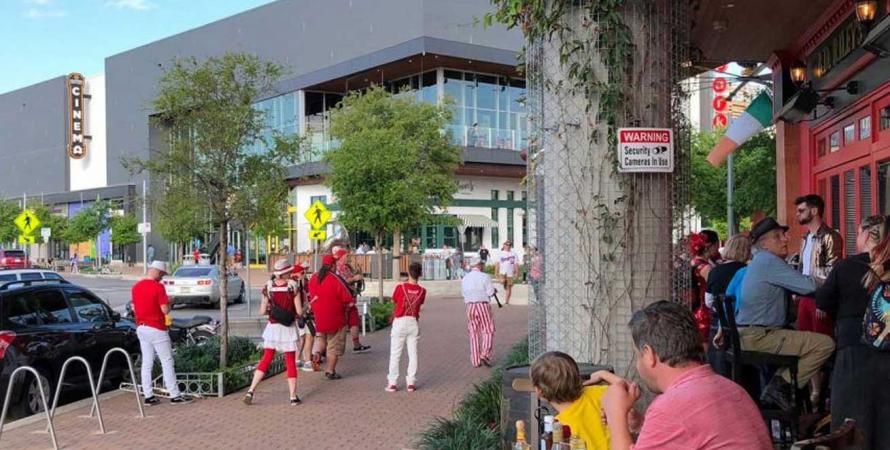
Shift to the suburbs not your grandfather’s sprawl
Core cities are losing population to the suburbs, but the 2020s will not repeat the last half of the 20th Century. The suburbs are bound to urbanize.News reports over the past year have indicated that sprawl is returning with a vengeance in the 2020s. The latest article to make the claim is “ How the pandemic supercharged sprawl ,” in Bloomberg News . There is little doubt of movement out of core cities since early 2020. The extent is of the...Read more