-
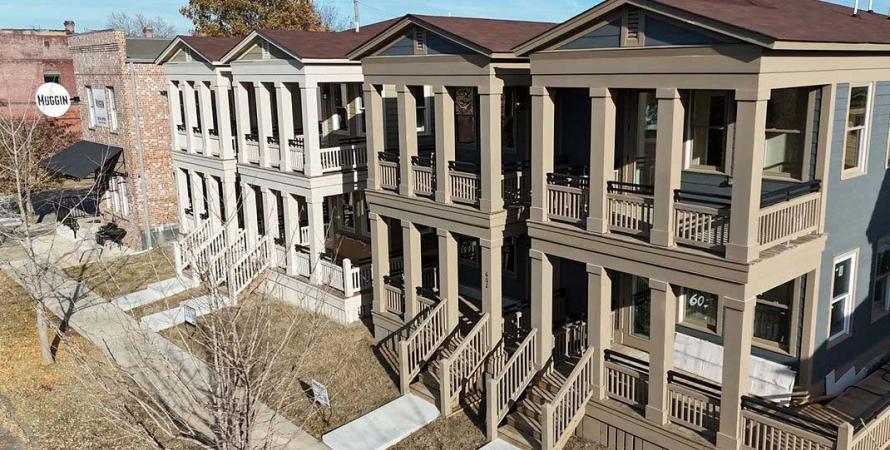
Your city legalized triplexes. The building code said no
To build more affordable 'missing middle' housing, changing zoning laws is not enough. We need small multifamily buildings to be regulated under the residential code.The urbanist movement has won real fights on zoning, parking, and single-stair reform. But there’s a bottleneck that doesn’t get enough attention: the building code draws a hard line between two dwelling units and three. Once you cross that line, you leave the International Residential Code and...Read more -
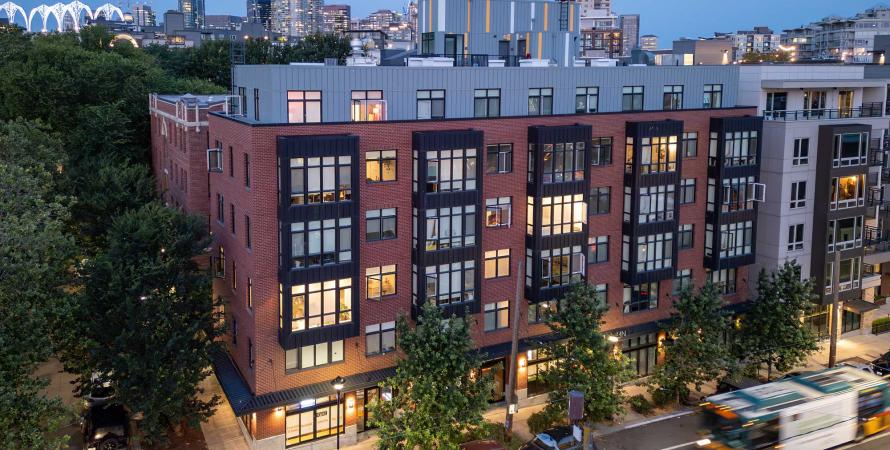
Why single-stair reform leads to more livable, adaptable infill
Allowing more single-stair buildings in the US will positively affect quality of life, public health, infill flexibility, family-friendly units, costs, and even climate adaptation.The way we design and build multifamily housing in the US is an anomaly. The typical US multifamily building is a double-loaded corridor—a building with a corridor down the middle and units on either side. This means our multifamily housing is designed and built like a hotel or dormitory. In most...Read more -
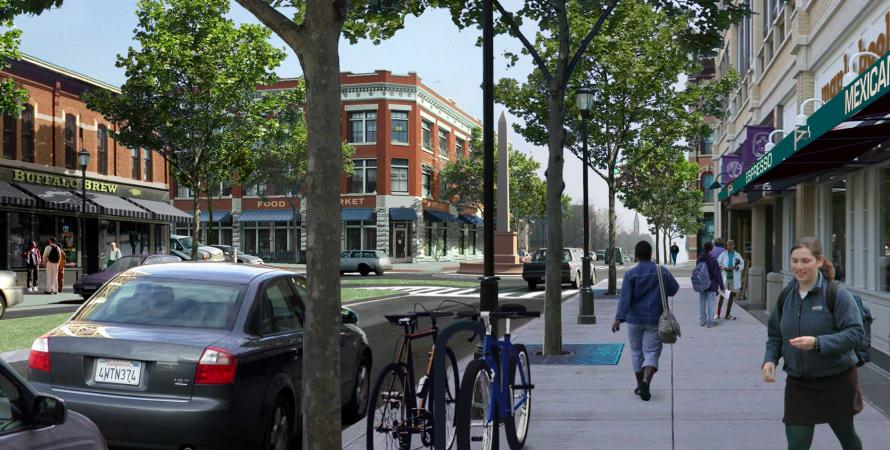
Study shows widespread new urbanist zoning reform
With the aid of artificial intelligence, researchers examined the extent to which form-based coding is adopted incrementally, often without using the term. The widespread approval of these regulations is good news for proponents of walkable neighborhoods.At the beginning of this century, just a handful of form-based codes (FBC) had been adopted nationwide. Conventional zoning, separating uses and housing types, was standard in US cities and towns. A new analysis of more than 2,000 zoning codes across the US using artificial intelligence (AI)...Read more -
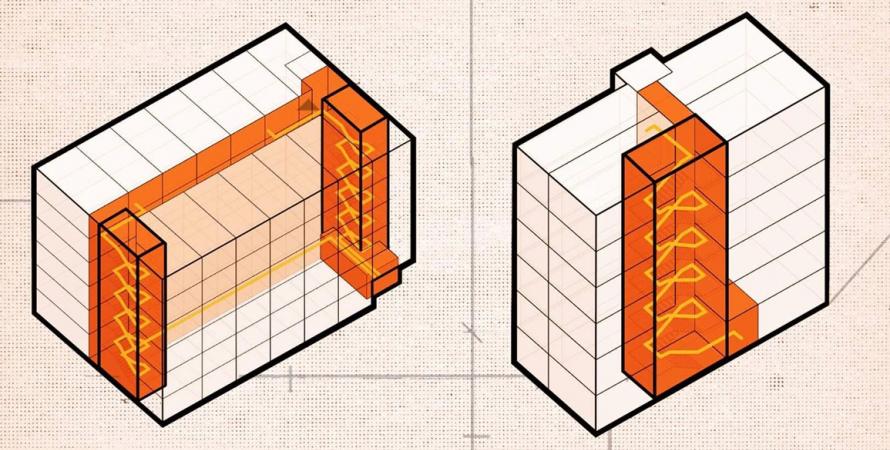
Single stairs do not put residents at risk
A new study of multifamily buildings shows that those with a single stairwell are just as safe as those with two sets of stairs. This could be a key to more infill, missing middle housing.New urbanists have typically focused on code changes that impact the outside of buildings, their density and use, and the way they address the public realm. But sometimes, inside-the-building codes have a major impact on how buildings are expressed on the outside—and thus, the form of the city...Read more