Duany’s 25 top American cities, and why the grid is key


Andres Duany has a personal list of the 25 best American cities (or city sectors). It’s a great list if you like urbanism and you want to explore places in the US that are really worth visiting.
It includes cities of all sizes, from coast to coast. You can be sure that all are excellent places to walk. It’s a subjective list, based on what the renowned urbanist considers to be good urbanism. Duany notes that at least 22 of the 25 are built on orthogonal grids—meaning the blocks are generally rectangular. This is significant because New Urbanists rarely design orthogonal grids, including DPZ CoDesign, Duany’s firm. “I bring this up because of my experience of being disoriented and lost in our projects,” he says.
When New Urbanists brought back the idea of the walkable neighborhood, they were heavily influenced by the early 20th Century planners like John Nolen and the Olmsted brothers, who often promoted more picturesque designs with irregular blocks, or at least hybrids between the formal grid and the picturesque.
Picturesque designs have some advantages on a neighborhood scale, Duany says. For one thing, they are good at traffic calming. The downsides are disorientation, which becomes extreme at scales larger than a single neighborhood, and the complicated building sites, which demand more building types and raise costs.
“You can economize with smaller building types,” he says, “but what is really economical is simplification—the beauty of repetition.” Duany’s list shows that great places can be made from orthogonal grids, and the uniqueness and sheer variety of these places are impressive. Terminated vistas and traffic calming can be created with only slight deflections in the grid, as occur in Charleston, Duany says. No more than six degrees are necessary to deflect a street vista, he explains. Street trees, a variety of street types, and unique architecture make all of these grids more interesting. The historic places used orthogonal grids when the topography allowed because they are the most efficient, and settlers could not afford to be inefficient.
Next week, on CNU’s On the Park Bench, Duany will present his ideas on New Urbanism 2.0, and the grid will be one of the topics in a critique of current New Urbanism practice. For now, here is the list of Duany’s best American cities (and city sectors), in alphabetical order. The list is Duany’s, but the comments are mine:
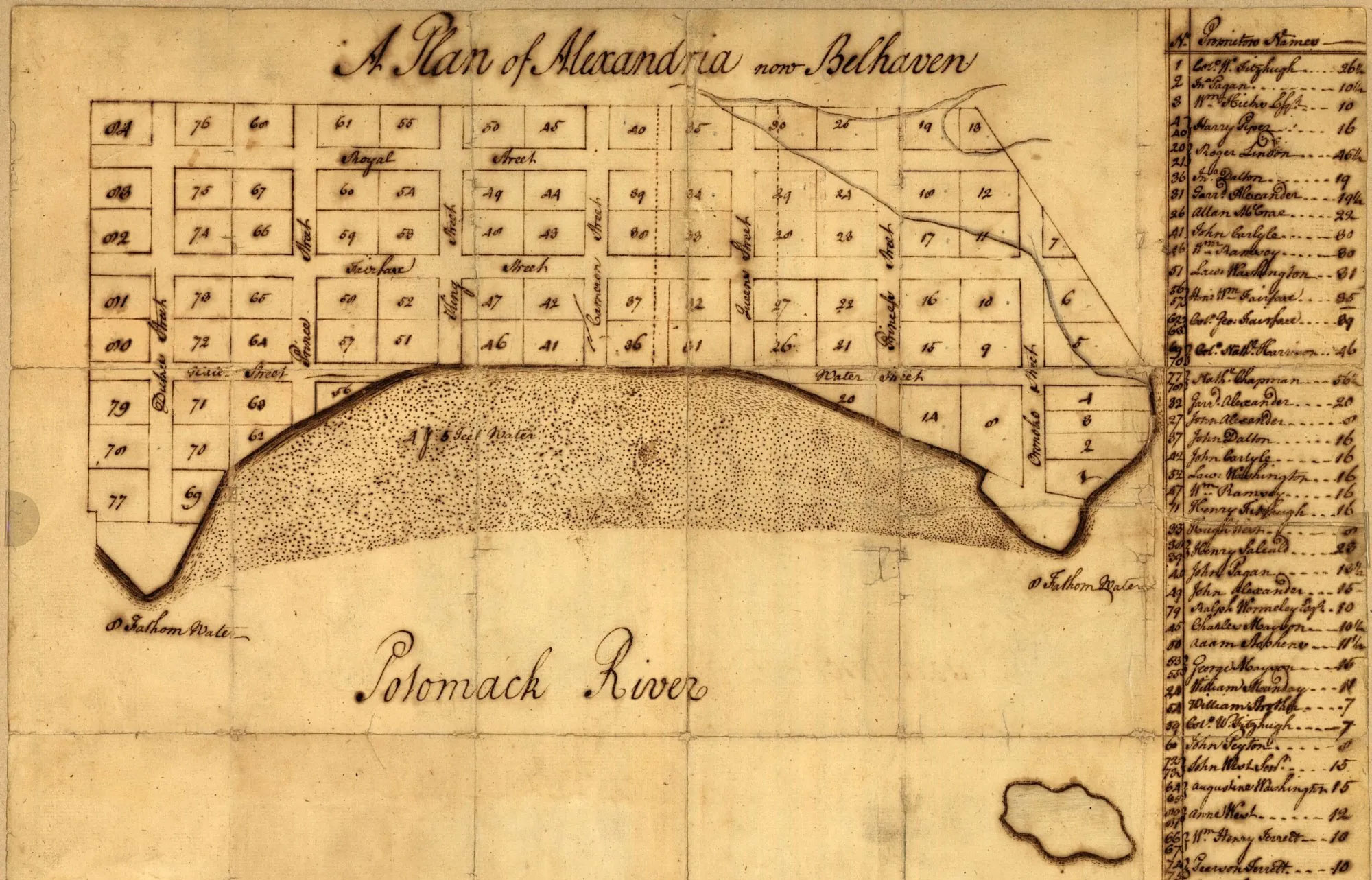
Alexandria, Virginia. George Washington surveyed the city grid in 1749, and the core was built from 1750 to 1850. It therefore has a beautiful, brick, small-scale urbanism that is among the best examples of colonial and early American cities surviving today. The Congress for the New Urbanism was launched here in 1993.
Annapolis, Maryland. This small city is another colonial brick gem, and one of only three cities on this list without an orthogonal grid.
Aspen, Colorado. The Rocky Mountain town, now a ski resort, was built as a mining town. Despite the topography, the town was built on a grid.
Back Bay, Boston, Massachusetts. The neighborhood in Boston was part of the Charles River estuary and was first dammed, then filled in in the second half of the 19th Century. Back Bay is noted for a particular style of Victorian brick townhouse, with bay windows often stacked three or four stories high. It is quintessentially Boston.
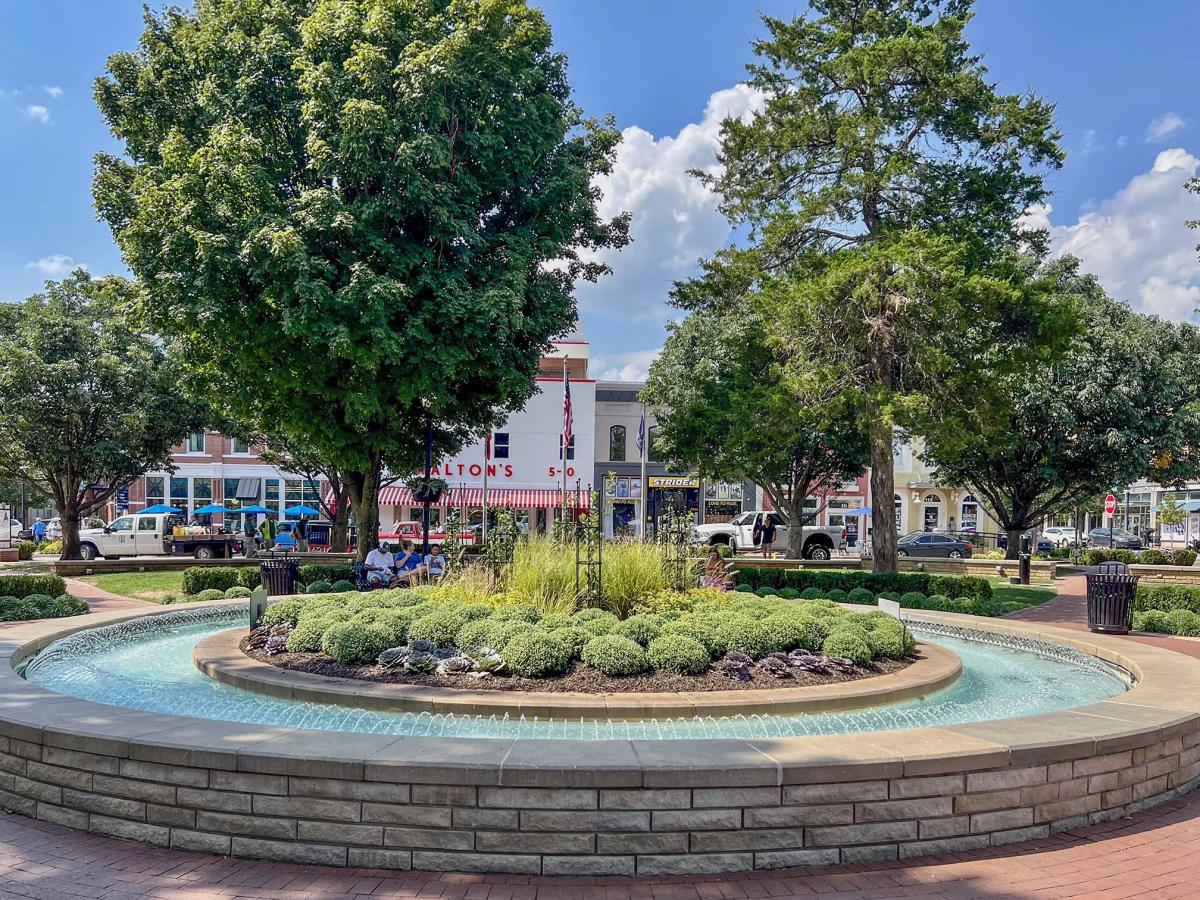
Bentonville, Arkansas. The small city boasts one of the liveliest, most appealing civic squares in the US, populated 18 hours a day. Home to Walmart, Bentonville is connected to the 40-mile Razorback Greenway and includes the modern Crystal Bridges Museum of American Art.
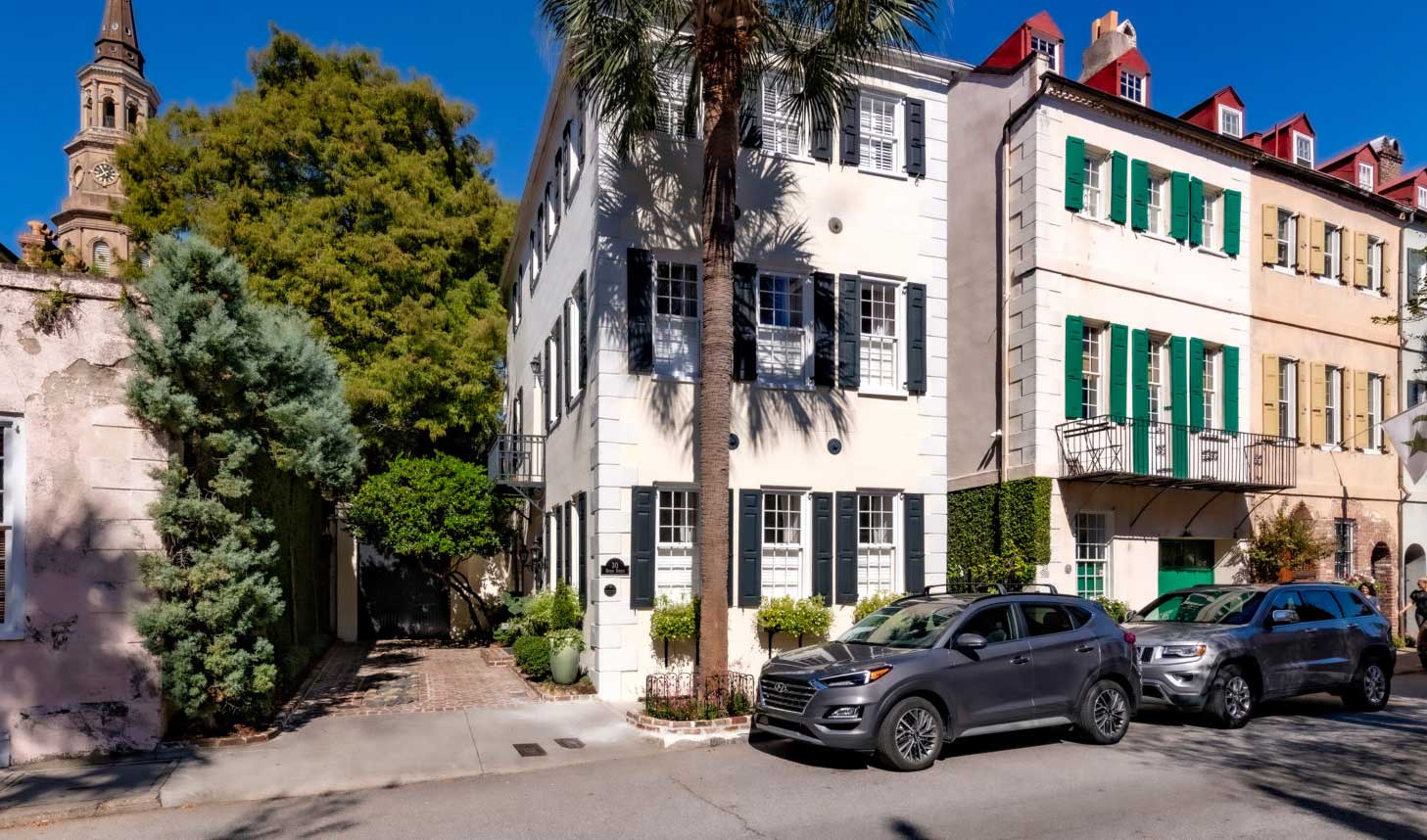
Charleston, South Carolina. Charleston has unique and excellent traditional architecture, including some of the best recently built classical designs. The historic peninsula features a street grid that deflects slightly, creating beautiful terminating vistas.
Georgetown, District of Columbia. This is the one part of the city that predates the L’Enfant Plan, a charming village in the big city and home to Georgetown University.
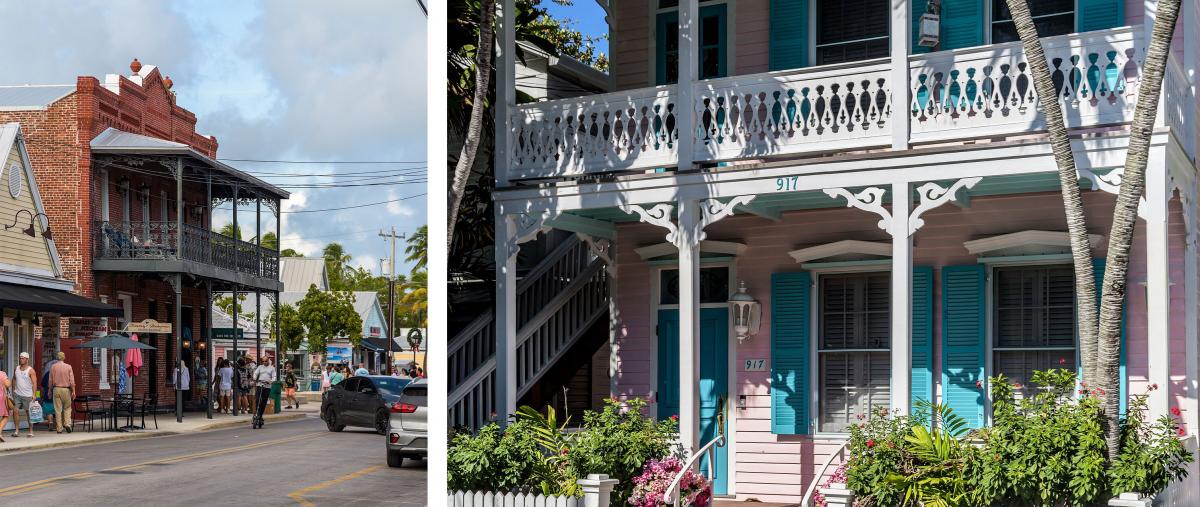
Key West, Florida. This city is legendary, the best urbanism in Florida. The streets are incredibly tight and alive with the stories of the people who have walked them, like Ernest Hemingway and Jimmy Buffett.
Madison, Wisconsin. Madison is squeezed between two lakes, and the state capitol terminates the view of eight streets downtown. John Nolen greatly influenced the city’s landscape, but Madison is basically a grid despite the radials emanating from the capitol.
Manhattan, New York. The New York Commissioners’ Plan of 1811 created street frontage that allowed the city to develop for more than a century. The topography slopes toward each river, adding interest to the orthogonal grid. Manhattan is among the most dynamic cities in the world. Yes, Manhattan is part of New York City, but it is really a city unto itself.
Marblehead, Massachusetts. The old seaport, on a peninsula, does not have a formal grid, but it does have a connected network of streets (like all of the places on this list).
New Haven, Connecticut. A small city with solid New England urbanism and architecture.
New Orleans, Louisiana. The city seems connected to the Caribbean as much as to the United States. The architecture and culture are unique—there is no other place like it.
Palm Beach, Florida. Worth Avenue, the main street, is one of the great shopping streets of America, lined with palm trees, of course.
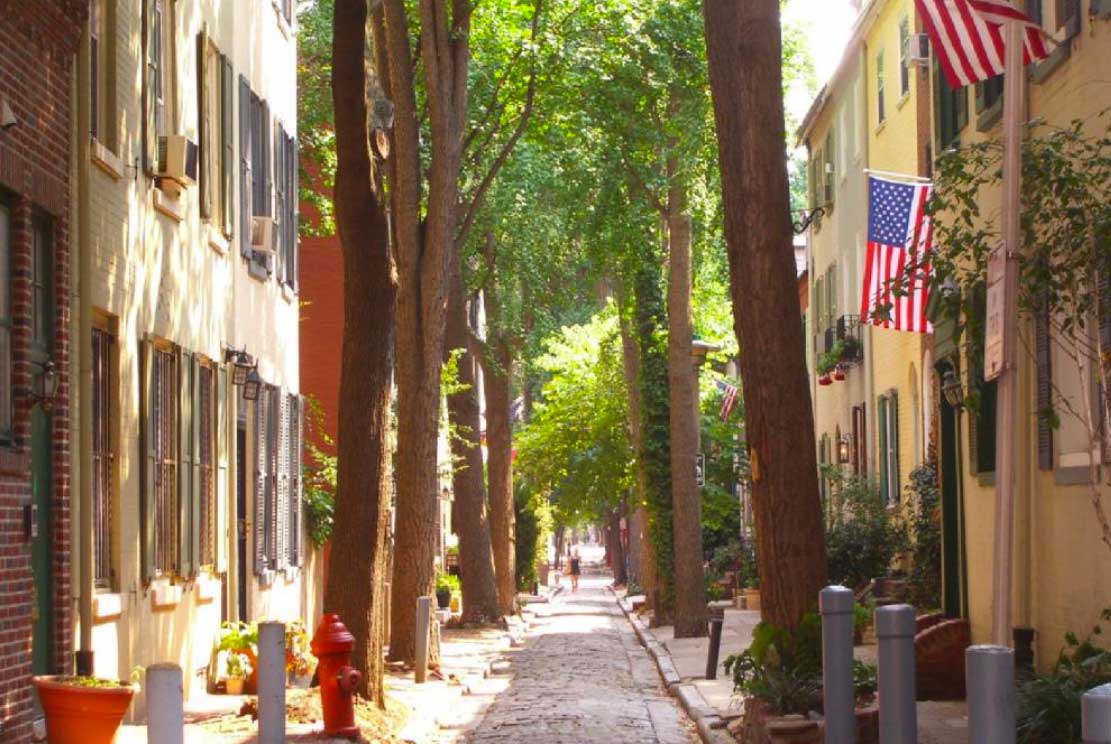
Philadelphia, Pennsylvania. The original plan with five squares still shapes Center City, one of the largest and most diverse downtown areas in the US. Philadelphia has hundreds of the narrowest streets in America, sometimes five- or six-feet curb to curb, allowing two-way traffic inside the downtown blocks. The so-called minor streets make Philly's urbanism unique. The original grid included large blocks, and these are broken up in an almost unlimited number of ways by the minor streets.
Portland, Oregon. Portland has the smallest blocks, 200 feet by 200 feet, of any major city in America. That makes Portland very walkable.
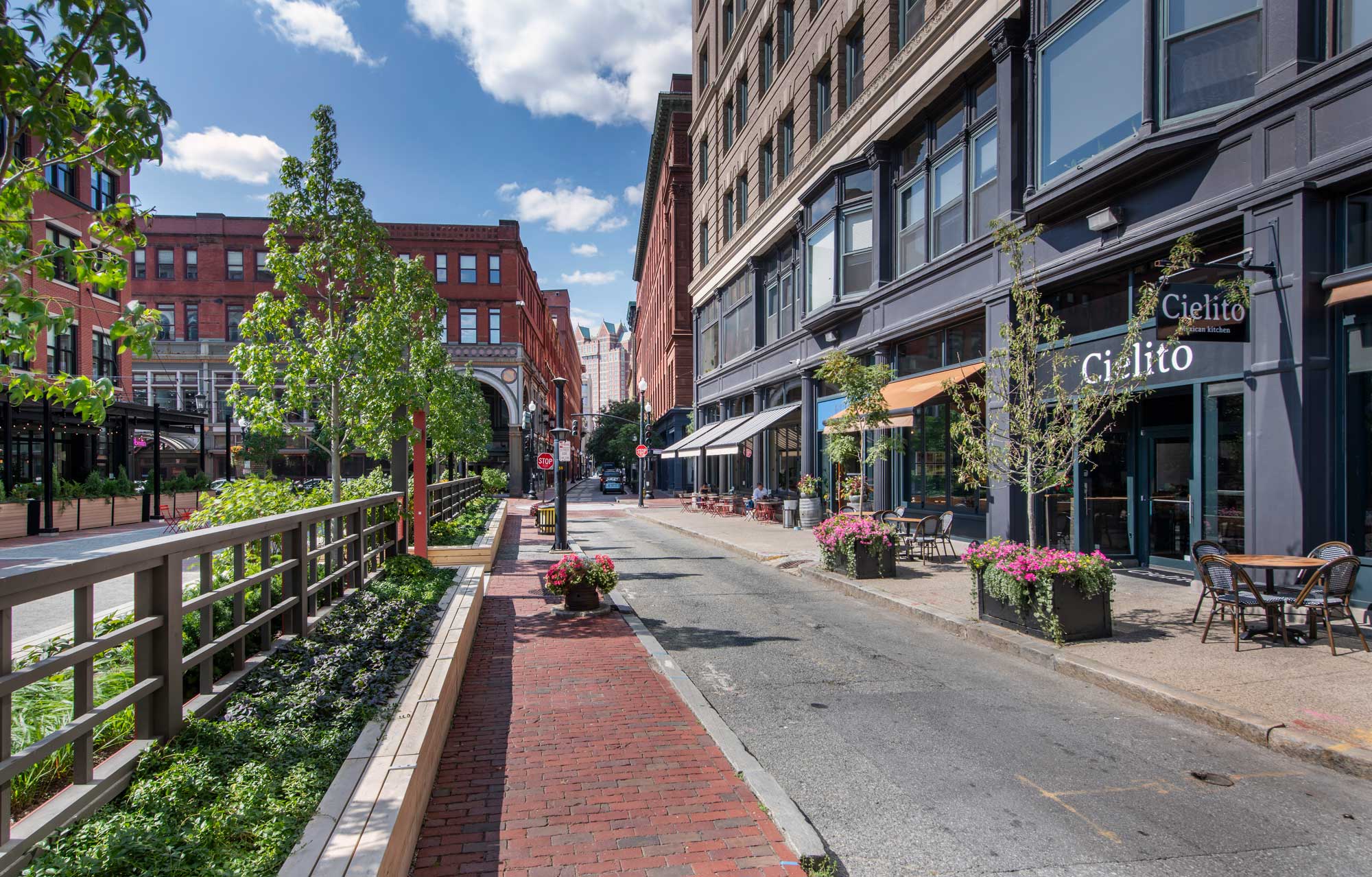
Providence, Rhode Island. Providence may be a small city, but it looms large in its urbanism. It feels like a great city in miniature, thanks to some of the best-preserved historical architecture in America.
San Francisco, California. What makes San Francisco special is the street grid, superimposed on one of the hilliest cities in America. This makes for great car chases in classic cinema.
Santa Barbara, California. The city is noted for its Spanish colonial architecture, a style chosen by city leaders in 1925 after a massive earthquake. While the style is not organic, it fits the climate and has become the city’s signature.
San Diego, California. The central part of San Diego was largely built as a streetcar city in the first half of the 20th Century. Its urban blocks are among the smallest in America (slightly larger than Portland’s), making it highly walkable.
Santa Fe, New Mexico. Santa Fe’s original plan was based on the Law of the Indies, with streets branching off a plaza. Santa Fe has distinctive adobe architecture that blends Spanish colonial, territorial, and Native American styles. Outside of the area immediately around the plaza, Santa Fe is not an orthogonal grid.
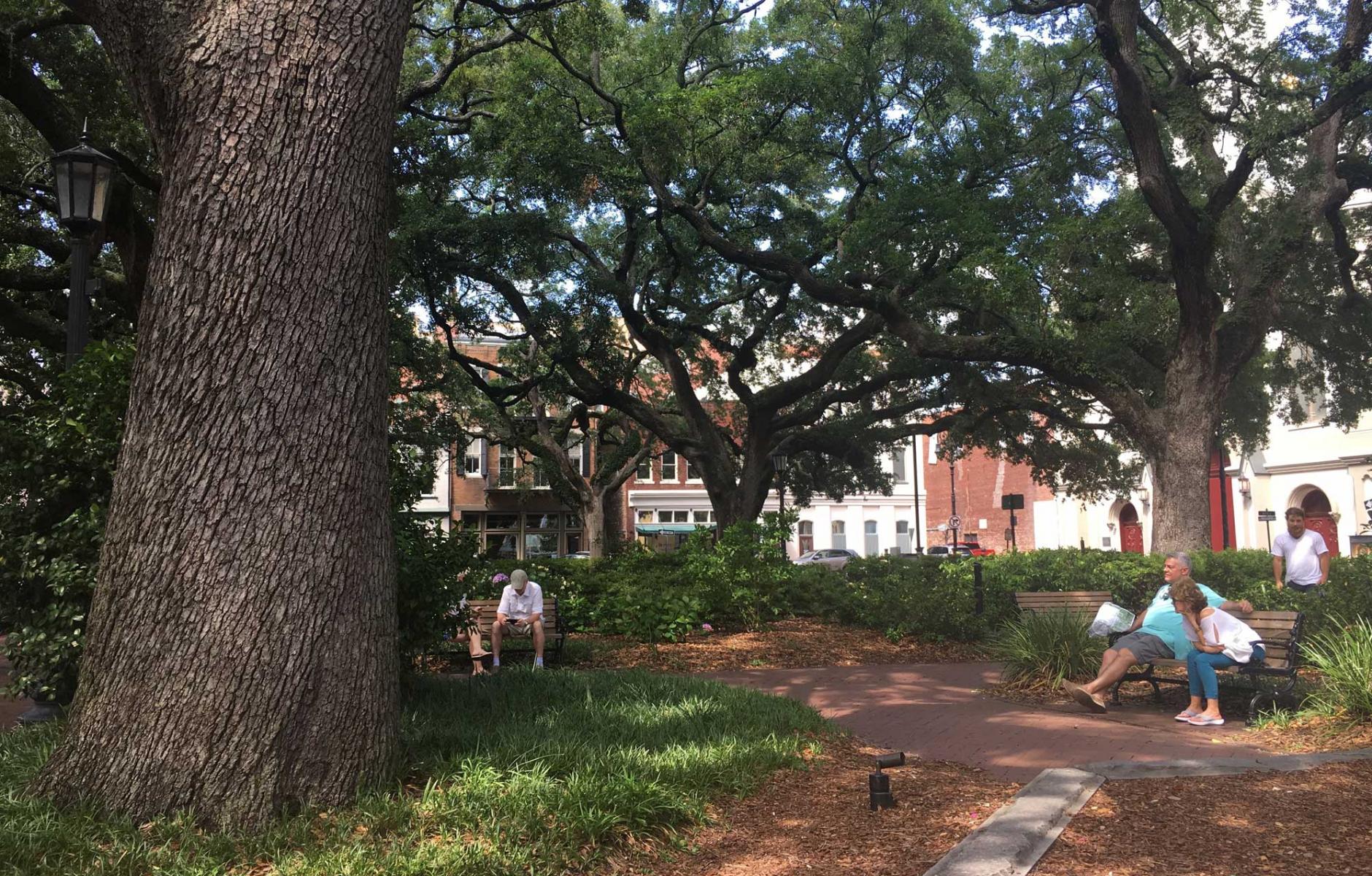
Savannah, Georgia. Savannah’s historic downtown, with its 22 squares, is world-class urbanism. The buildings remain human-scale in the 21st Century, despite the size of the downtown, which punches above its population class. Savannah has the best urban live oaks in the country.
Seattle, Washington. Seattle combines great urbanism with a spectacular natural environment. It combines a tight grid with a West Coast architectural informality.
Washington, District of Columbia. Pierre L’Enfant created the unique grid plan with diagonals for DC. But hidden beneath it all are the sacred mathematics of the Golden Mean. This produces a grid of unusual complexity, with many block sizes and shapes.
Williamsburg, Virginia. This town was designed and built as Virginia’s first state capital, a role that it served from 1699 to 1780, when the state needed a more central location and moved to Richmond. The collection of colonial architecture is among America’s best.
Some will argue with this list: that Duany is leaving off some cities that deserve to be on the list, or that some on the list do not deserve their place. Regardless, nobody has a better eye for urbanism than Duany, and each of these cities is worth a deeper exploration.