Fayetteville: The ‘regenerative fabric’


As Northwest Arkansas continues to absorb regional growth pressures, Fayetteville offers an example of how an established city can evolve by strengthening what already exists. Fayetteville feels different from Bentonville because it is different. For communities grappling with how to grow without erasing identity, Fayetteville’s experience underscores a critical lesson: the most sustainable form of growth often comes from investing in what already exists.
Rather than one dominant economic engine, Fayetteville’s primary driver is an institution: the University of Arkansas. That brings youth, research, art, public investment, cultural experimentation, and long-term thinking. The university acts less like a corporation and more like a thought driver, shaping identity, politics, architecture, and creative life.
Instead of expanding outward in big leaps, Fayetteville grows through what could be called a “regenerative fabric.”
- Neighborhoods evolve incrementally.
- Small projects stitch into old blocks.
- Culture renews itself year after year through students and locals.
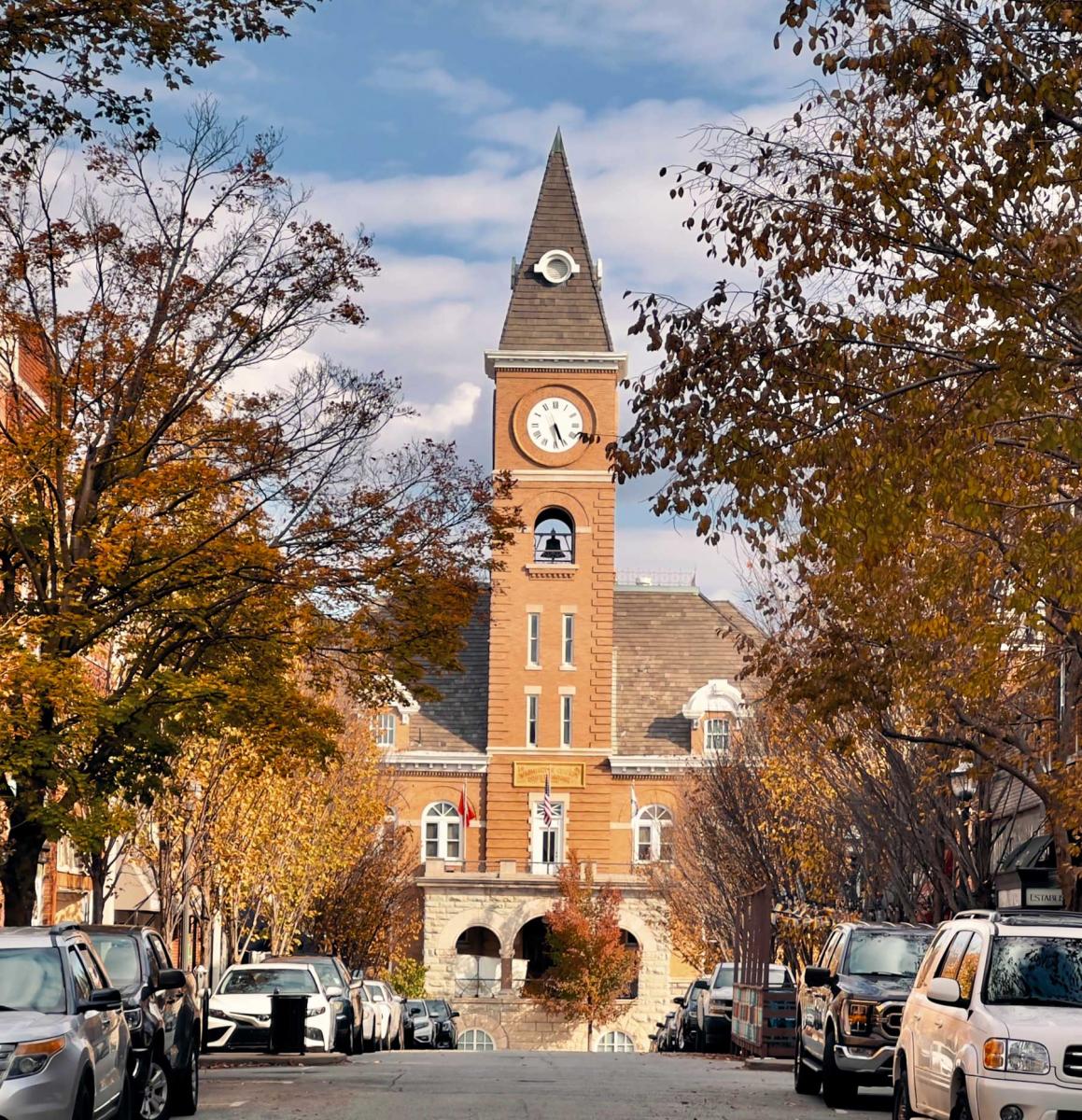
Fayetteville’s approach to infrastructure reflects its broader planning ethic. Rather than chasing transformative projects, the city has consistently prioritized the systems that quietly support everyday life: reliable utilities, safe streets, connected sidewalks, trails, parks, and civic facilities.
The city’s proposed 2026 bond package continues this pattern. By extending an existing sales tax rather than creating a new one, the proposal focuses on renewing and upgrading core infrastructure: water and sewer systems, pedestrian connections, neighborhood streets, parks, and public safety facilities. These investments are less visible than skyline projects, but they are central to maintaining a city that functions well for everyone in the community as it grows.
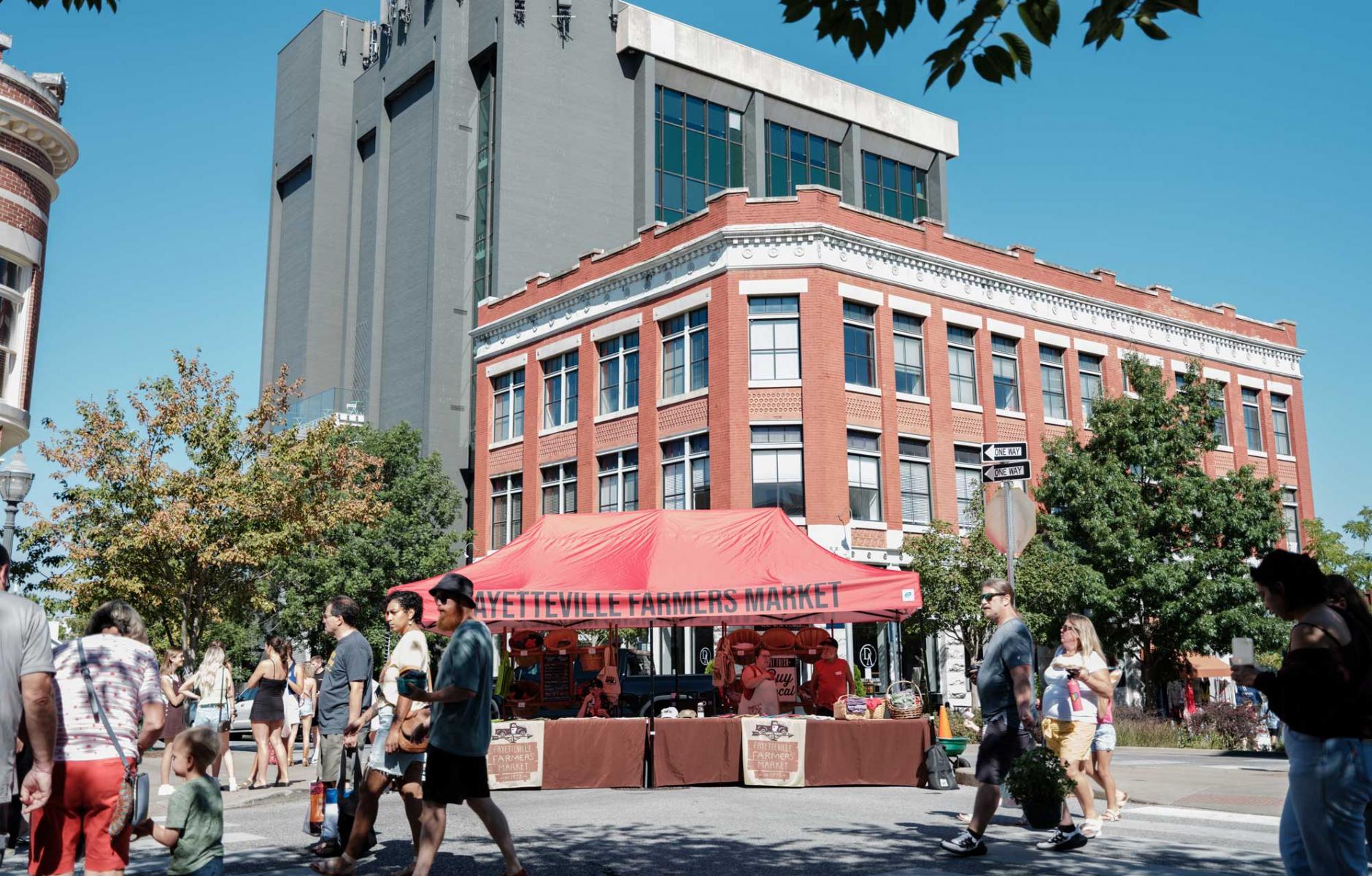
The city’s development pattern is fine-grained and incremental, characterized by small blocks, established neighborhoods, and layered uses that have evolved over time. Streets are narrower, buildings stack more tightly, and growth often happens through additions, renovations, and adaptive reuse rather than sweeping new districts. This approach reflects an understanding that neighborhood preservation is not about freezing form, but about managing change in ways that reinforce walkability, affordability, and social cohesion.
Planning in Fayetteville emphasizes regeneration over expansion. The city has consistently engaged tools that support mixed-use development, housing diversity, and pedestrian-oriented environments while resisting pressure for oversized or out-of-scale interventions.
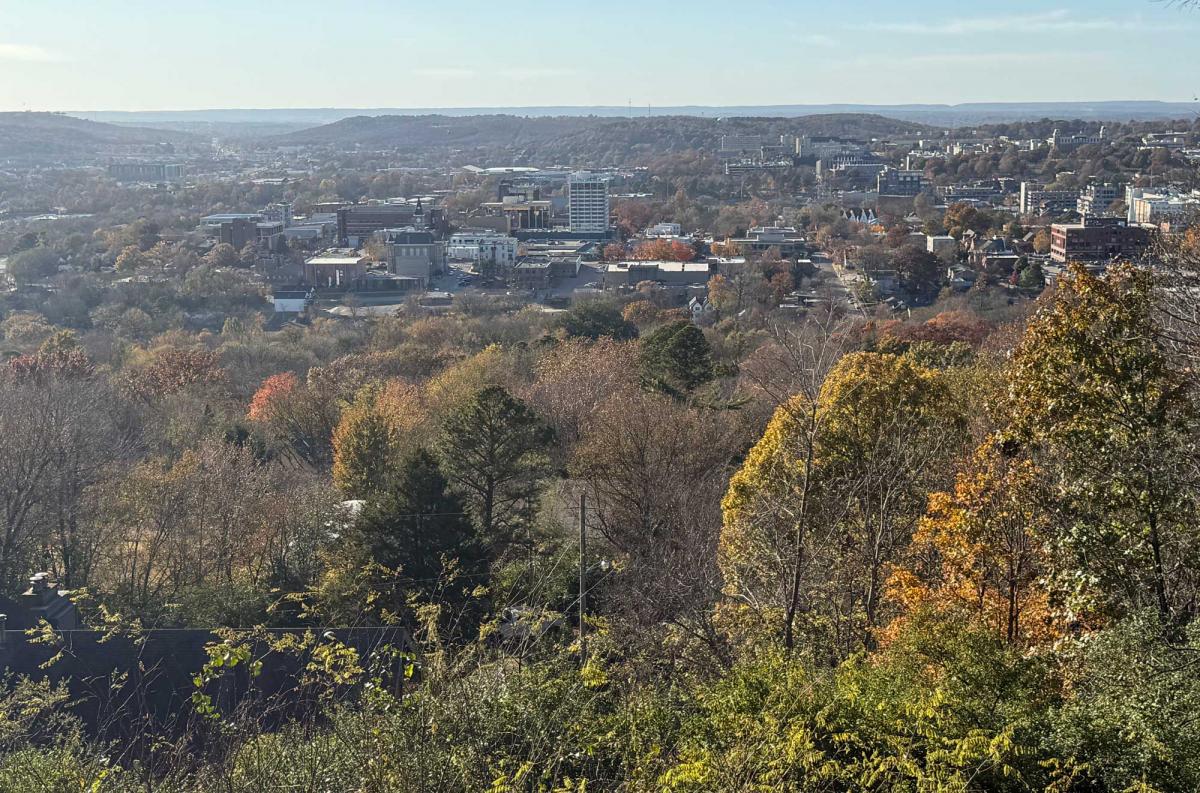
Coordination through the Regional Planning Commission has supported this approach, offering guidance and expertise while respecting local priorities. These resources help Fayetteville anticipate change and guide growth in ways that reinforce the city’s long-standing civic values.
Fayetteville offers a compelling lesson: fine-grained urban form, strong civic institutions, and neighborhood-centered planning creates resilience over time. Growth need not erase identity. With intention and care, it can reinforce it.
Fayetteville is a cohost and venue for CNU 34, which will be held in Northwest Arkansas on May 12 through 16, 2026. Attendees will stay in Fayetteville and Bentonville. Early bird registration opens today. For more information, go to CNU 34.