-
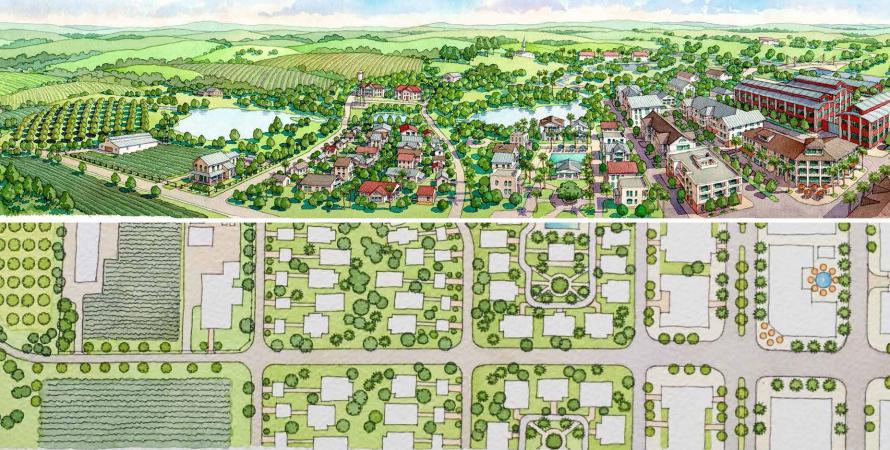
CNU expanding database for new urbanist projects
Amid a shift to a new website platform, CNU seeks to establish a comprehensive database of new urbanist developments to be used by academics, professionals, and students.New Urbanism has been improving towns, neighborhoods, and cities for more than 30 years, but its impact is often difficult to measure. This is due to the variety in scale (what does New Urbanism mean when it’s a building? A city? Half of Southwest Louisiana?) but also the lack of consistent data...Read more -

Walkability in high demand
A nationwide Realtors survey reveals that a majority of Americans prefer a walkable neighborhood, and they are willing to pay for it. That tracks with higher values in highly walkable neighborhoods.Walkability is a high priority for American homebuyers, according to the National Association of Realtors (NAR)—and this is driving up prices in walkable neighborhoods. In a survey of 2,000 residents in America’s 50 largest metropolitan areas, nearly two-thirds (63 percent) say they would be...Read more -
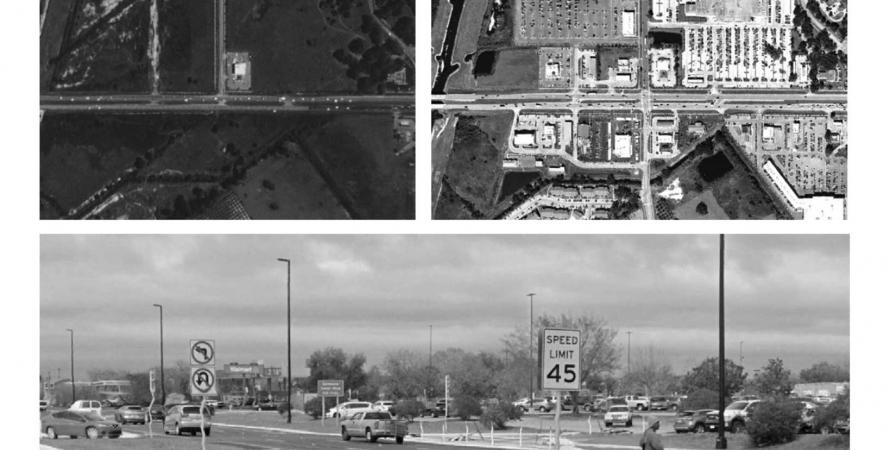
Study calls for land use changes to improve road safety
Land use has a profound and largely unacknowledged role in the death and injury of pedestrians and bicyclists, according to researchers. There are two answers—but one is far superior.New research from Florida Atlantic and Columbia universities examines why the US has failed to make streets safer for “vulnerable users”—people outside of cars, especially pedestrians and bicyclists. That failure is evident despite the proliferation of Complete Streets and Vision Zero policies over...Read more -
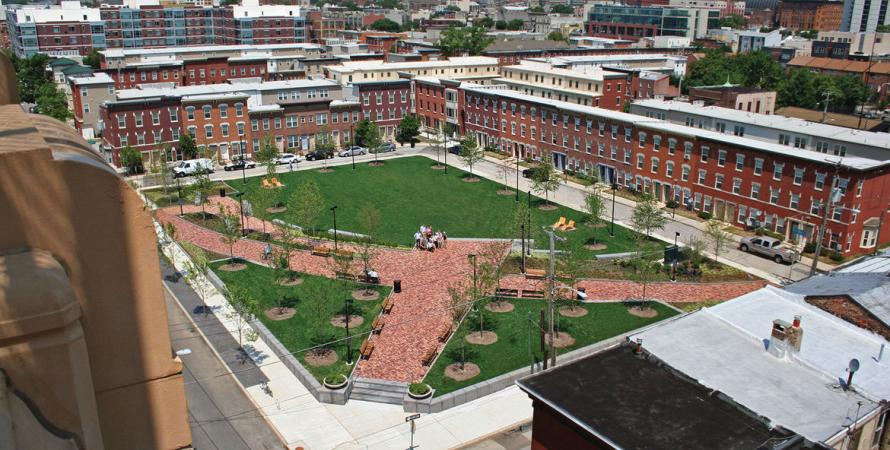
HOPE VI reduced intergenerational poverty
A remarkable new Harvard study shows the benefits of mixed-income housing in high-poverty areas, using design based on New Urbanist principles.This is a good day for walkable neighborhood design, as a new multigenerational study validates the largest implementation of New Urbanist principles on low-income populations—the HOPE VI program in the 1990s and 2000s. HOPE VI is the most dramatic public policy success of the New Urbanism—even...Read more