-
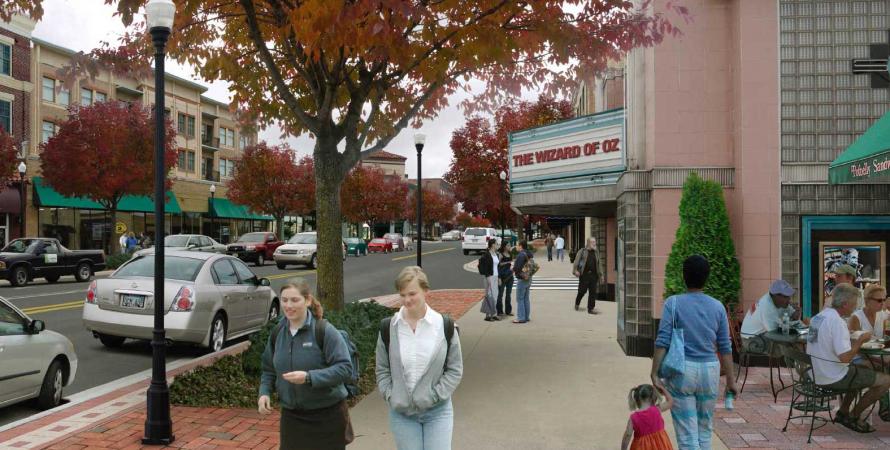
Loneliness, urban design, and form-based codes
A remarkable and growing body of literature is telling us that healthy communities need face-to-face interaction among their members, something that electronic media cannot replace. Physical places enable or prevent that interaction.Humans are social, yet this primary fact of life is oddly absent as a core consideration in modern urban development regulations. To ignore the social needs of our species is to lose sight of one of the most positive drivers for shaping sustainable urban form. Providing for the satisfactions of...Read more -
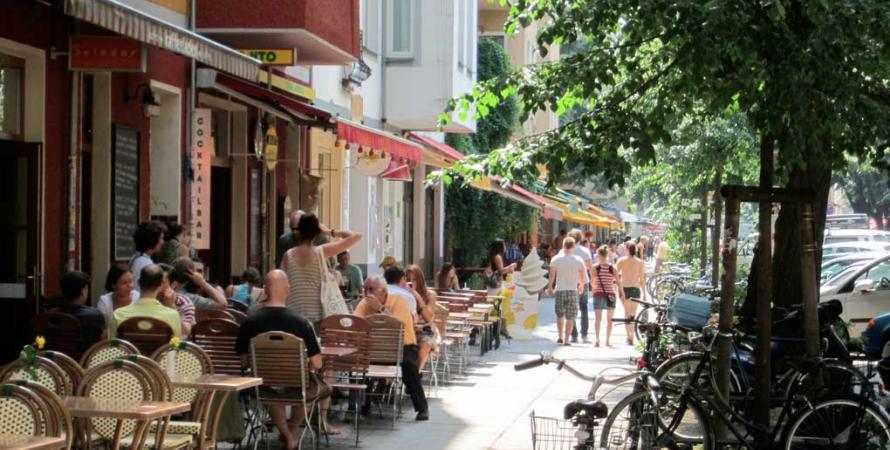
The skinny on healthy neighborhoods
People tend to get more exercise, leading to a powerful salutory effect on health, in neighborhoods with four characteristics.Scientists are learning more and more about how where we live affects the amount of exercise we get, and thus how fit and healthy we are likely to be. In general, city dwellers are particularly well placed to get regular exercise if they can take care of some or all of their daily errands without...Read more -
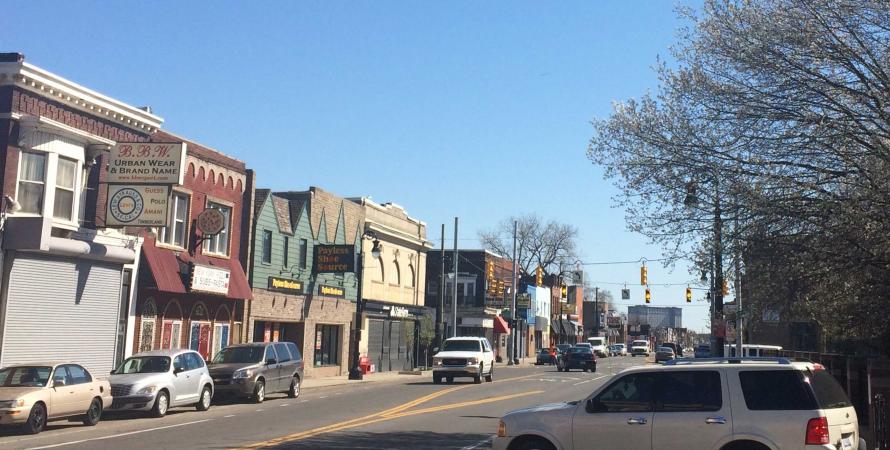
Healthier neighborhood is key to healthier community
A holistic neighborhood plan created with the help of citizens is designed to improve health.In many cities, immigrants gravitate toward gritty, low-cost, neighborhoods—like Southwest, home to Detroit’s Mexicantown. Southwest Detroit has an industrial heritage and still serves as a transportation hub. The area suffers from heavy truck traffic and lacks adequate, usable green spaces. The...Read more -
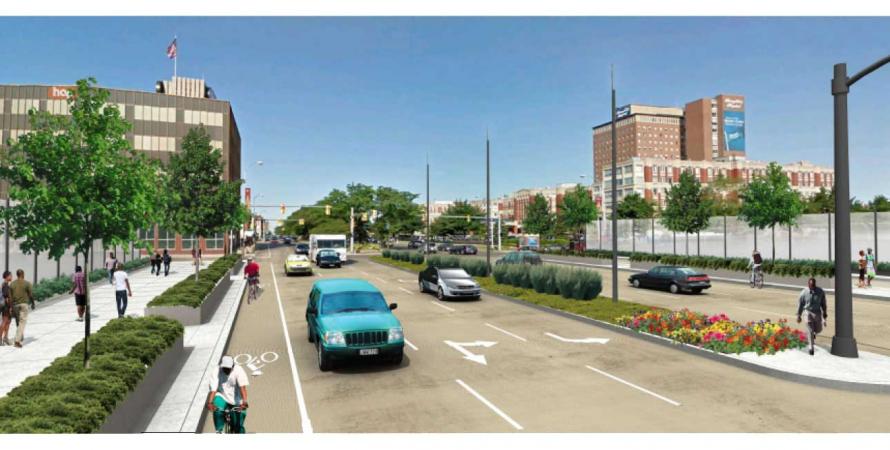
A hospital fully embraces urban planning
“The hospital can be a catalyst to create healthy communities in which walking, social engagement, and positive economic transformation are facilitated.”Hospitals across the nation are talking about making neighborhoods around them better and encouraging active living—but none have adopted a more ambitious and comprehensive plan than Henry Ford Health System (HFHS) in Detroit, Michigan. The organization’s headquarters and largest facility, the 800-...Read more