-
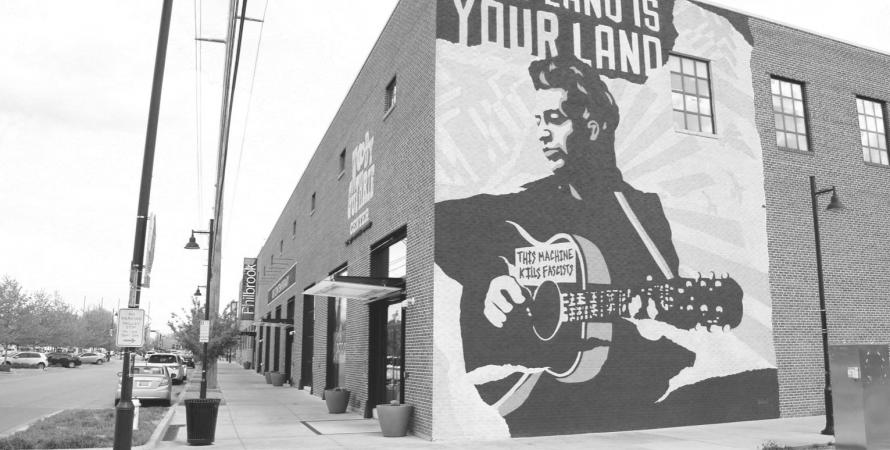
Why should cities have a music strategy?
“Strong culture is as important as walkability, good street frontage, and all of the elements new urbanists always talk about.”Music, the most social of the arts, is closely linked to cities, towns, and placemaking. Music thrives where people congregate, especially in walkable locations such as downtowns and mixed-use main streets. “Walkability contributes to a successful music district,” says Kate Durio, CEO of North...Read more -
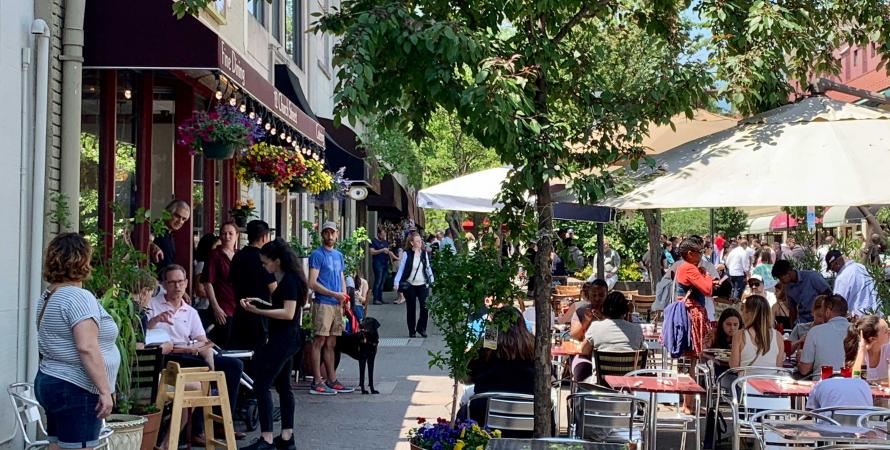
Supporting evolving Central Social Districts
Main Streets, downtown cores, and neighborhood centers play a vital social role in American communities. The idea of Central Social Districts offers a way for cities to nurture this function to help urban centers thrive.Public Square editor Robert Steuteville interviewed economic development expert N. David Milder of DANTH, Inc., on Central Social Districts. Milder wrote a paper that was recently published in the American Downtown Revitalization Review . This is Part 2 of a two-part interview. See Part 1 . RS:...Read more -
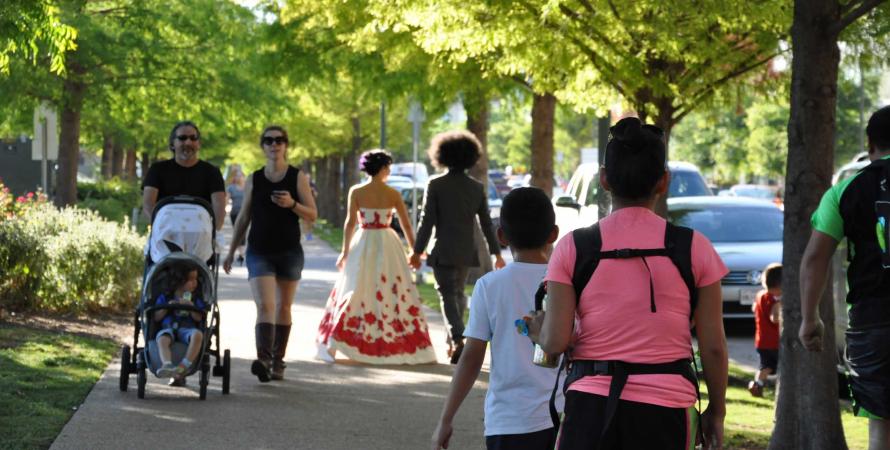
Ten social benefits of walkable places
We shape our cities and then they shape us.Winston Churchill insightfully said of architecture, “we shape our buildings and thereafter they shape us.” That statement is even more true of communities and urban planning. Cities and towns are architecture writ large. Their assembly, often involving thousands of buildings, thoroughfares, and...Read more -
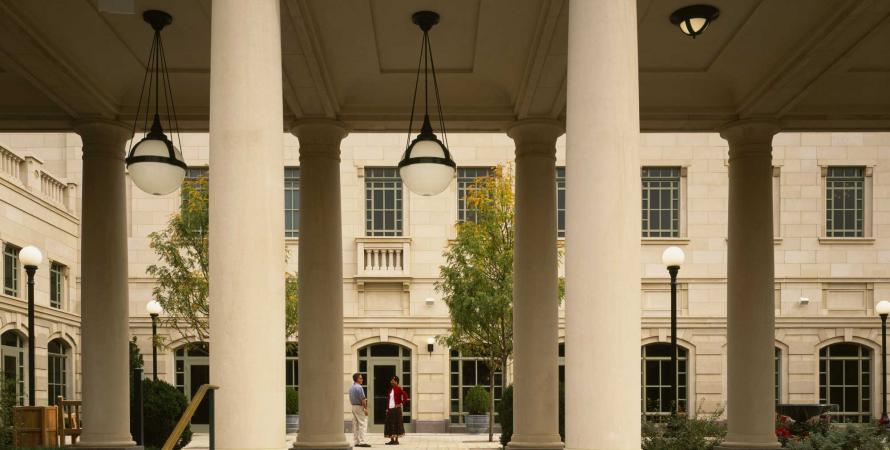
Walk over, Beethoven
The survival of live classical music depends on many things, not the least of which is the design and urban planning around concert halls.During any CNU Congress, its impossible to hear all the information provided or meet all the people who attend. Over several months, Public Square is highlighting people and ideas that CNU 26.Savannah attendees may have missed. High culture is supported by walkable cities and human-scale...Read more