-
New firm plans to bring walkability to scale
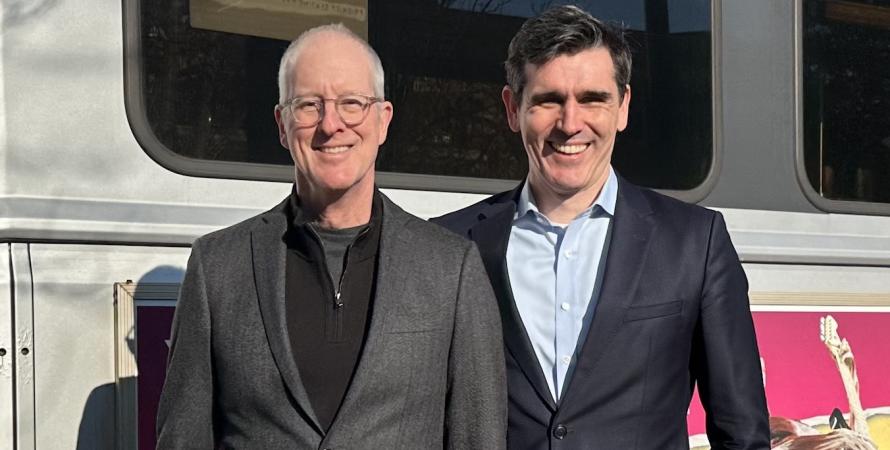
Speck Dempsey is a partnership between walkability guru Jeff Speck and mobility expert Chris Dempsey.To bring walkability to more cities and towns, planner Jeff Speck has launched a new firm with Chris Dempsey, a mobility expert with, Speck says, “a history of public service and activism around planning and transit, and a born leader.” Speck Dempsey will enable more productivity in the short term...Read more -
Insights into my journey with a bit of advice
Start off the year with more conversations, focus on what you enjoy, and support others along the way.Born and raised in Michigan, auto-centricity and sprawl were integral to the state’s identity, profoundly influencing my generation. Your 16th birthday was a right of passage. Friends’ identities were linked to their sprawling neighborhoods. As a child, I nicknamed my grandmothers with this...Read more -
The 5-minute neighborhood, 15-minute city, and 20-minute suburb
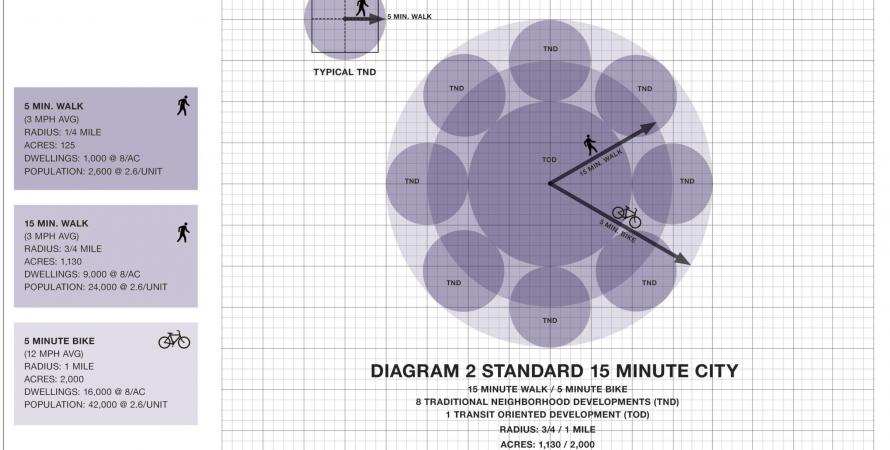
The reality of suburban distances to retail and community amenities has inspired a new term: the “20-minute suburb.” The concept is an evolution of the 15-minute city, focusing on transportation, zoning, and strategic densification.That measurement of time in which someone is more likely to walk or bike rather than drive a car to an errand has been the subject of much discussion among urbanists. Thirty years ago, the New Urbanism first proposed a neighborhood of a quarter-mile radius. The five-minute walk “pedestrian shed”...Read more -
Fighting loneliness through community design
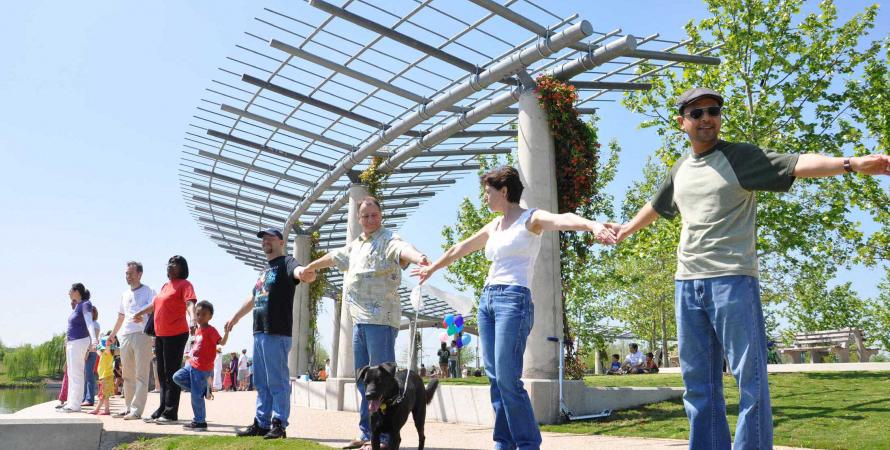
As the problem of loneliness grows, urbanists and planners may successfully design for social interaction in three broad ways.America is suffering from an epidemic of loneliness, according to Surgeon General Vivek Murthy. One in two adults report experiencing loneliness, he explains, and the numbers are highest among young adults (79 percent of those aged 18-24 report feeling lonely). Loneliness has profound implications...Read more