-
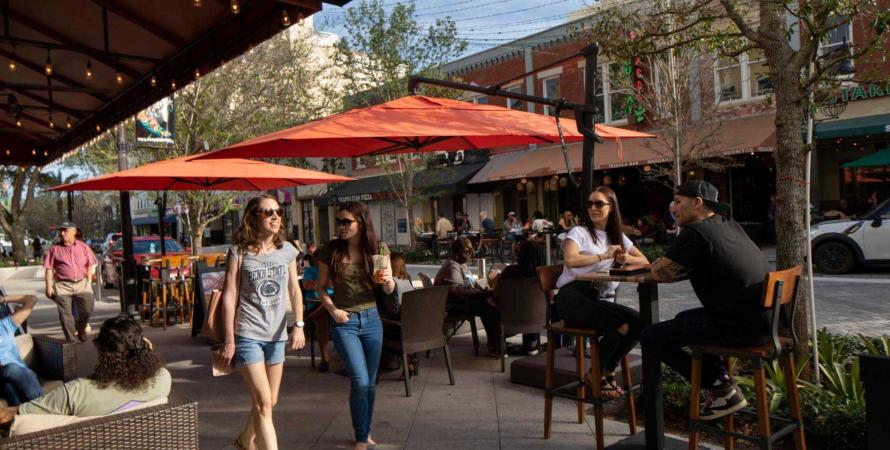
Walkability in high demand, Realtors say
In other housing news, Oregon’s new model code, a village of tiny homes for the formerly homeless in Austin, and urban cohousing near Chicago.A large majority of homebuyers are willing to pay a premium for living in walkable neighborhoods, according to a survey of the National Association of Realtors, Realtor.com reported . “Americans are prioritizing walkability in a way they haven't since the pre-Henry Ford era,” the home-buying...Read more -

Old Town TND recognized for design
A 360-acre traditional neighborhood development sets new pattern for growth in Columbus, Georgia.Old Town, a 360-acre traditional neighborhood development (TND), is partly built within the consolidated city and county of Columbus, Georgia, located on the Alabama border, midway between Macon, Georgia, and Montgomery, Alabama. The older part of Columbus is noted for brick mill buildings and 11...Read more -
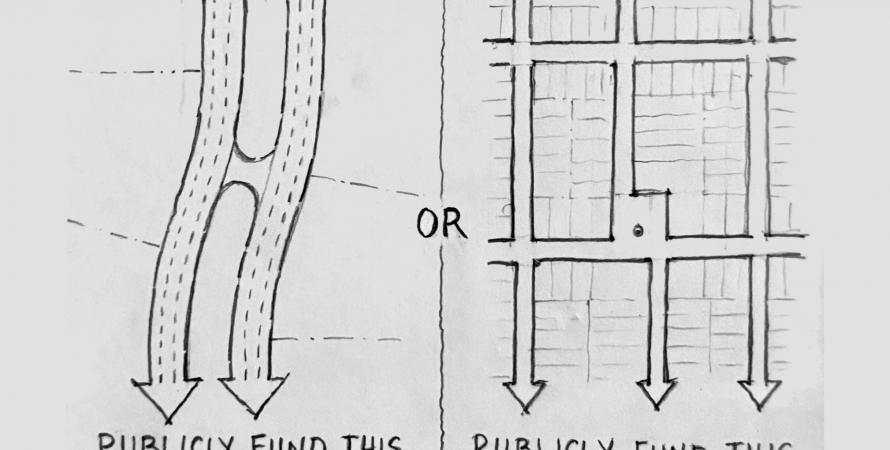
The infrastructure choice
A postcard sketch competition asked Urban Guild members to draw some ideas in a few minutes during an evening gathering at the Guild Summit in Chattanooga in late October. The members include architects, urban designers, and other urbanists. The winner was Anthony Catania of AMC Architecture &...Read more -
New Urban Update: IncDev in Gaza, Tom Low, Charter Awards, Shoup, and Brussat
I have been working on a Climate Action Handbook for CNU, which we plan to have published and printed by CNU 34 in Northwest Arkansas, but in doing so, I took a break from Public Square for a month and a half. There's a backlog of stories, some of which I present here under “New Urban Update.” I...Read more