-
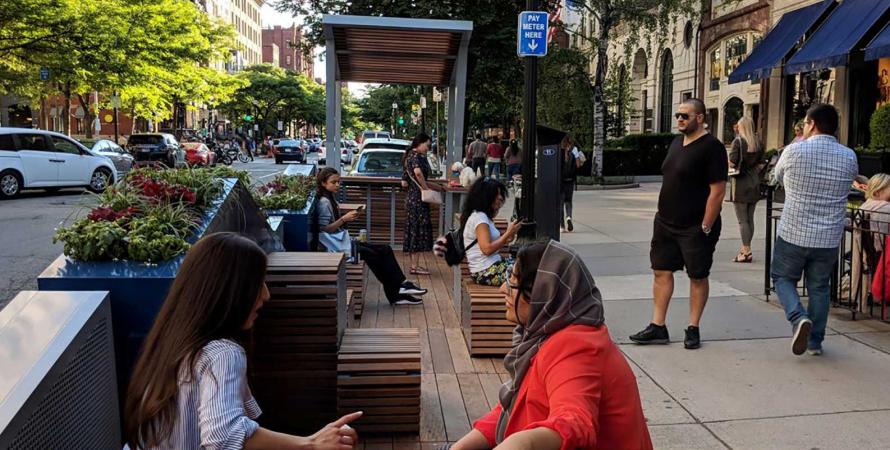
Ten ways to build small-scale urbanism
Building small has advantages in cost, time, ease of approval, ease of entry, and the character of the finished product. Small-scale urbanism has the support of multiple mini-movements, and here are ten ways to do it.Daniel Burnham said “Make no little plans; they have no magic to stir men’s blood and probably themselves will not be realized.” Burnham made his career out of big plans, from the 1893 Chicago world’s fair, to the 1909 Plan of Chicago, to the design for the magnificent Union Station in Washington,...Read more -
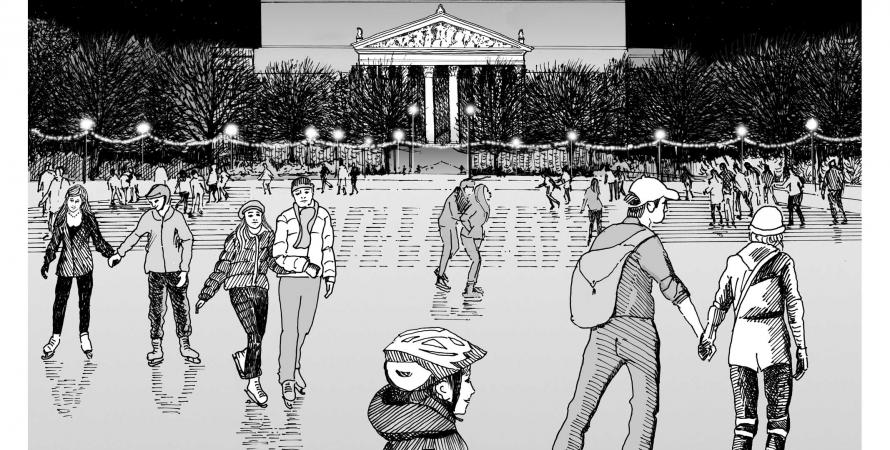
Visions of the city: I is for Ice
Amid the recent oppressive heat wave, it may be hard to imagine when warmth feels good. But there comes a time when people put on hats and gloves and scarves and engage in outdoor activities to generate body heat, and the contrast with the cold is invigorating. The drawing above, by architect and...Read more -
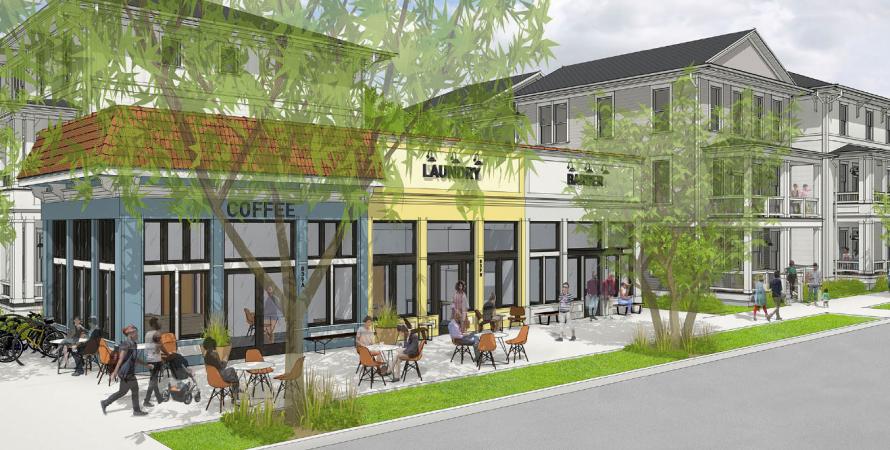
Building the Beloved Community in Atlanta
In Martin Luther King Jr.’s home of Westside Atlanta, a nonprofit is partnering with the City and public and private organizations to transform disadvantaged neighborhoods using a new urban design plan.“Physical solutions by themselves will not solve social and economic problems, but neither can economic vitality, community stability, and environmental health be sustained without a coherent and supportive physical framework.” From the Charter of the New Urbanism Five years has passed since a...Read more -
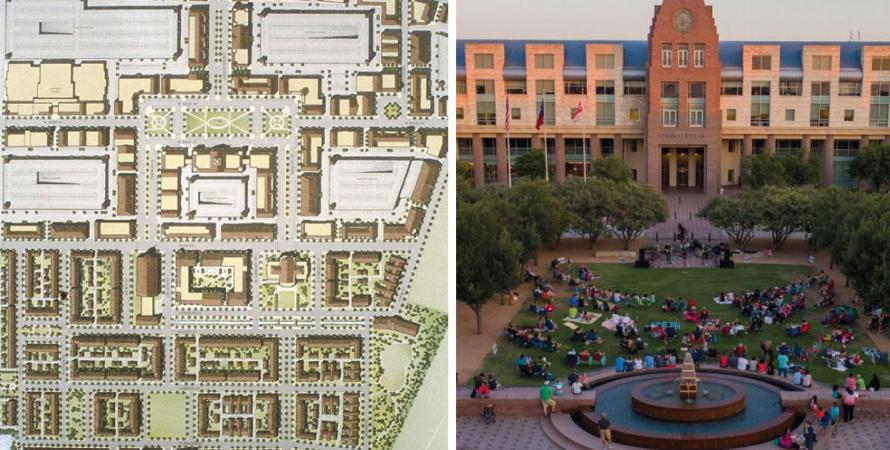
Visionary leadership creates new downtown
Frisco, Texas, has been one of the fastest growing cities in the US over the last three decades, going from a small town of 6,000 in 1990 to more than 200,000 today. In the 1990s, when the city north of Dallas began to boom, officials acquired land for civic buildings like a city hall and police...Read more