-
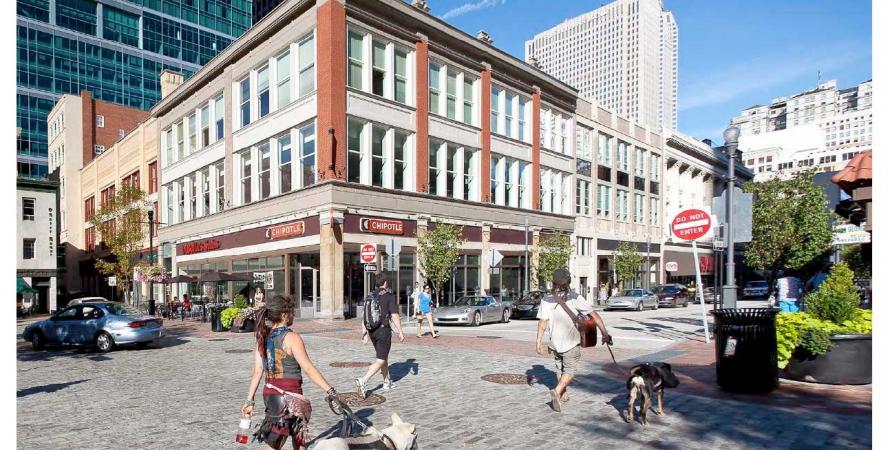
The 15-minute city, why does it matter?
A theoretical framework based on walking and bicycling sheds makes the 15-minute city more useful to cities and planners.In a world where cities and towns are geared to automobile travel, “the 15-minute city” is gaining momentum as a planning and transportation concept that focuses more on human-scale access than mobility. Andres Duany and I have written two essays for Public Square providing a theoretical framework...Read more -
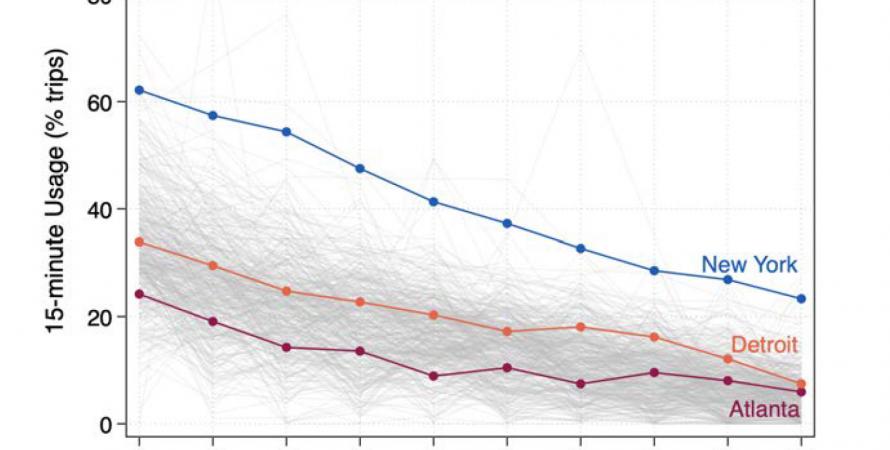
Low-income people need ‘15-minute cities’ the most
Those who think “15-minute cities” are for wealthy urbanites should consider this graph from a recent nationwide study. It shows a powerful reverse correlation between household income and use of services and amenities within a 15-minute walk of home. In other words, the wealthier you are, the less...Read more -
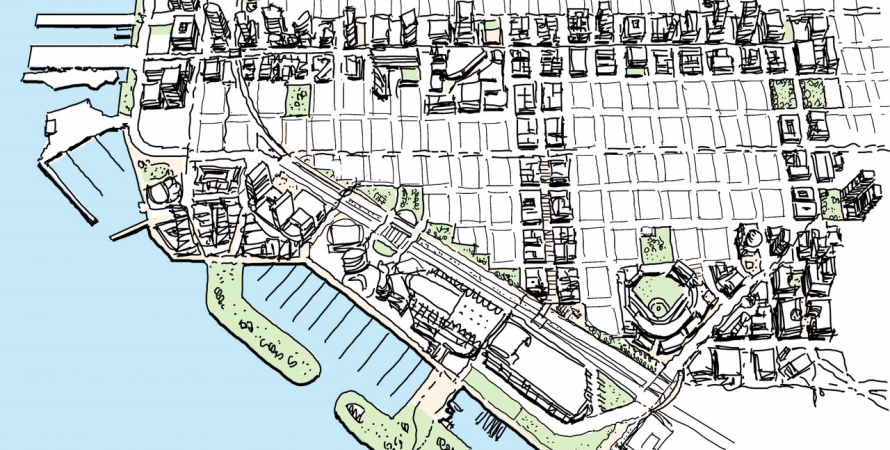
Objective design standards are form-based codes
The state of California is responding to the nation’s second highest housing costs (behind only Hawaii) with regulatory reforms that promote form-based codes along transit lines and commercial corridors.California's long standing “Not-In-My-Backyard” (NIMBY) culture has exacerbated the problems of high housing costs and homelessness. Over the past 50 years, conventional zoning ordinances and entitlement processes have conspired to support NIMBY intentions to stop new housing from being built near...Read more -
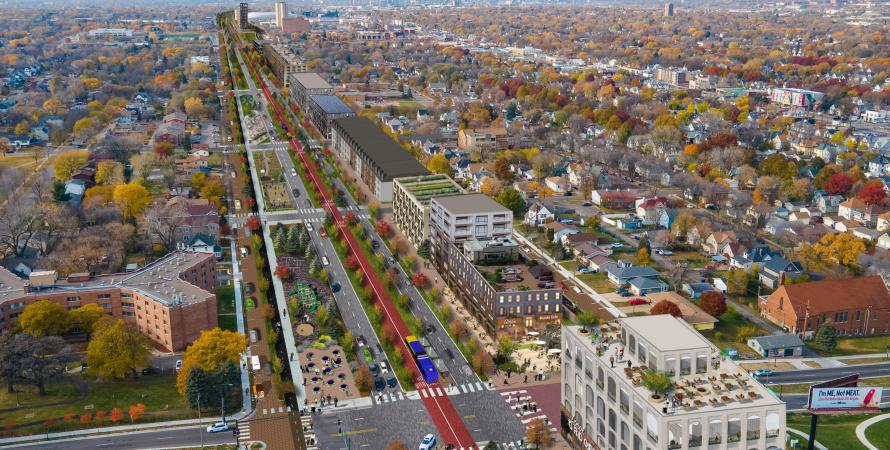
Meet the nominees for CNU's 2023 Freeways Without Futures report
The ten campaigns selected for the 2023 Freeways Without Futures report offer a roadmap to the future of North American infrastructureThe 2023 Freeways Without Futures report from the Congress for the New Urbanism (CNU) will feature ten local campaigns representing communities advocating for equity and reconnection during a time of reckoning for North American urban freeway infrastructure. The ten campaigns offer a roadmap to...Read more