-
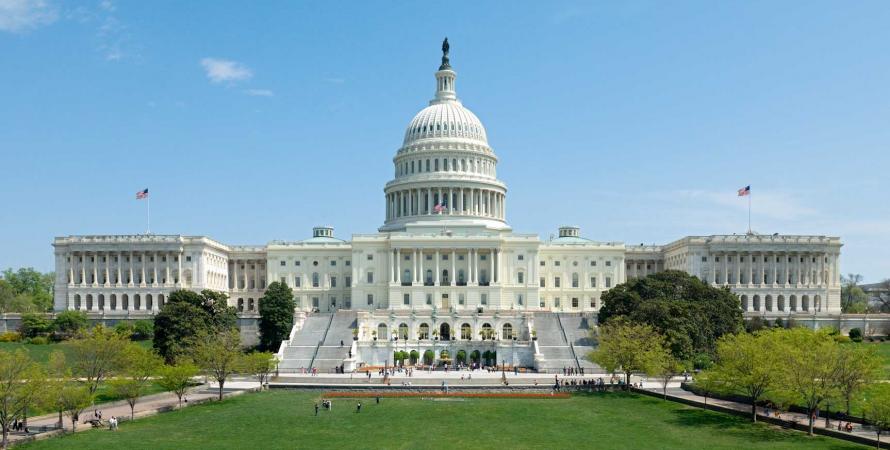
Five ways federal infrastructure spending makes cities poorer
A pithy summary of why our infrastructure spending goes wrong—and how to fix it.The United States Congress seems poised to spend a trillion dollars or more on infrastructure in a bipartisan consensus to stimulate the economy. Without major changes in our approach, this spending is going to make our cities poorer, weaken our country and -- once the temporary stimulus has passed...Read more -
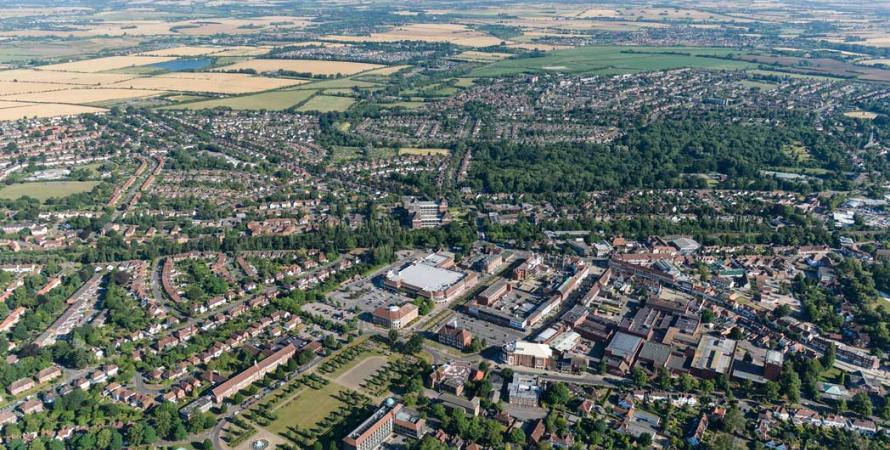
Garden towns need some garden city thinking to succeed
Ebenezer Howard’s Garden Cities were carefully planned with strict design codes and infrastructure funded by the uplift in land values. The same principles should be applied to the new garden villages and towns across Britain..Much effort has been expended by successive governments in stimulating production by volume house builders, with modest success. Some estimate that planning permission has been granted for over 600,000 homes, though the number of actual housing starts, while up, hovers stubbornly around the 2008...Read more -
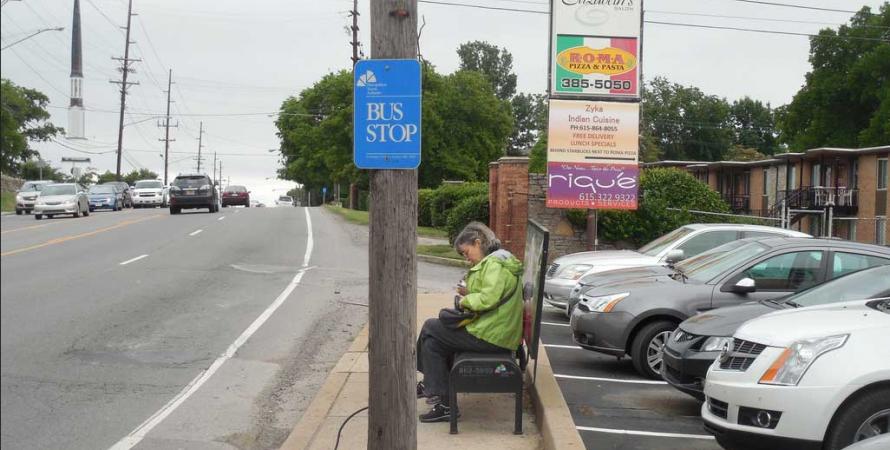
Nashville’s sidewalk deficit and America’s torn civic fabric
To bring citizens together is the very purpose of a city. Nashville’s sidewalk deficit emerged for many reasons, but it boils down to this: Planning and development during the Age of Sprawl was designed to keep people apart.About half of Nashville’s thoroughfares lack sidewalks—a problem that the city has been trying to solve for two decades with limited success. The issue was a bone of contention in last year’s mayoral campaign, reports CityLab . Sidewalks are critical infrastructure for connecting people in the city...Read more -
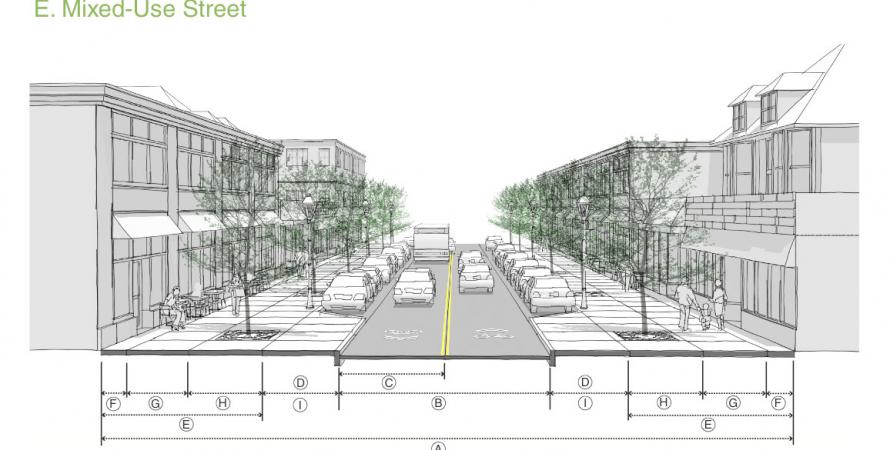
Green Code will help Buffalo to grow again
The Great Lakes city needs clear direction in building and revitalization, and the new Unified Development Ordinance can provide it.After six years and 242 public meetings, the Buffalo Common Council unanimously approved the Unified Development Ordinance, otherwise known as the Green Code, December 27. Buffalo became the third major US city to adopt a form-based code (FBC) for the entire city, after Miami and Denver. Many other...Read more