-
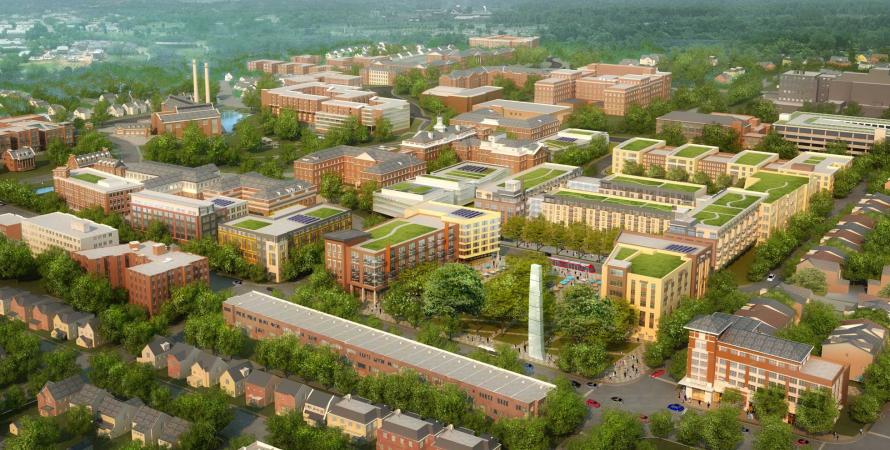
Sustainable reuse of historic campus
Urbanism and preservation of a historic landscape and medical buildings add up to a unique redevelopment underway in Washington DC.The Parks—Historic Walter Reed is the adaptive reuse and redevelopment of a historically significant medical campus: the primary US Army medical center of the 20th Century, in Washington DC. The campus was originally built with Georgian-style brick buildings on a north-south axis, serving veterans...Read more -
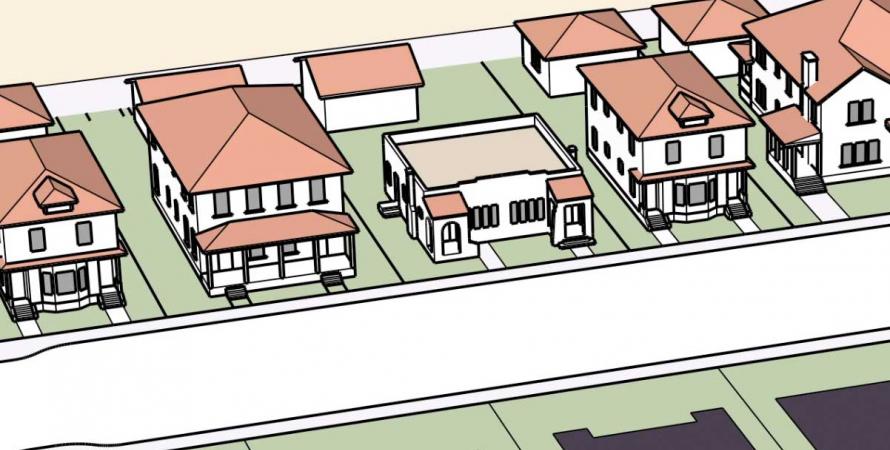
Where building types make sense in zoning
Building types are most helpful when trying to achieve a fine-grained mix of house-scale buildings of varied density and type in a walkable neighborhood. This is part one of a series.Building types are a key component of the physical environment and have existed for millennia in all types of walkable places: from crossroads and small towns to every size of city. Building types and the public realm have made all of these places. But despite their existence before zoning,...Read more -
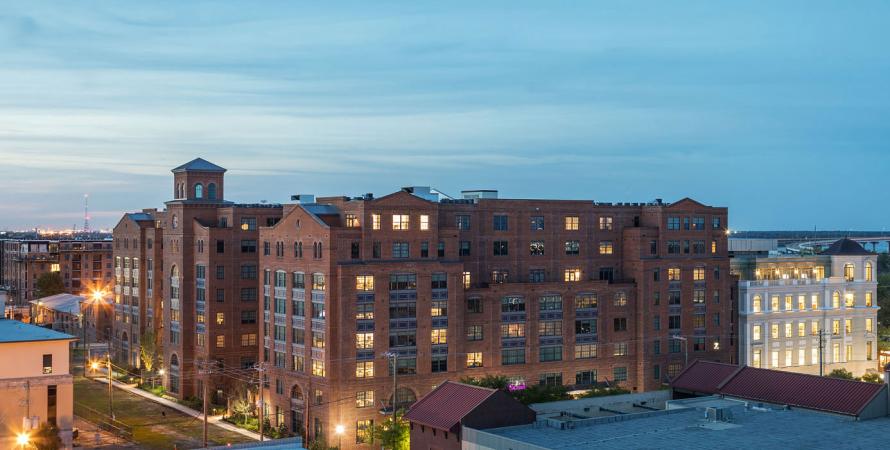
Extending design excellence in a historic city
A large-scale development raises the bar for new design in Charleston, while re-connecting neighborhoods and anchoring a 1.6-mile-long linear park.Charleston is one of the best-preserved historic cities in America, and architecturally sensitive redevelopment has fueled an economic revival of downtown since the 1970s. The Upper King Street Gateway project extends the design excellence north with a large-scale, mixed-use development creating...Read more -
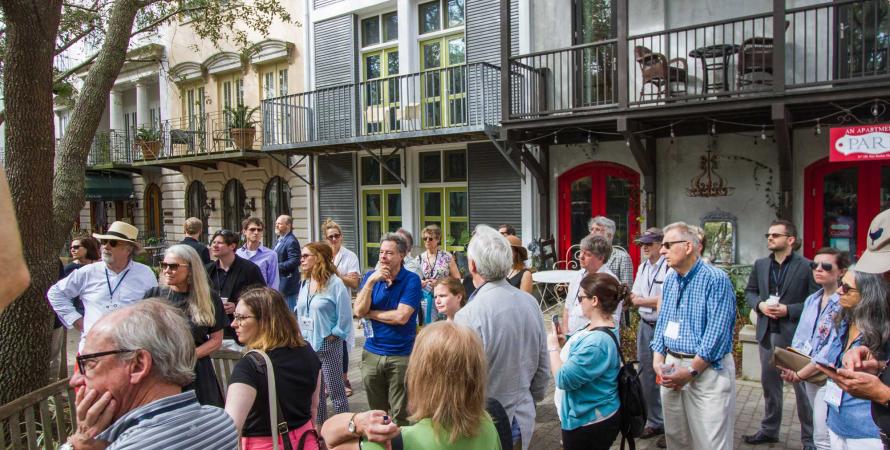
How a Florida beach town changed how we live
12 Ways that Seaside revolutionized how we think about cities and towns.Note: Jay Walljasper, champion of walkable communities and former editor of Utne Magazine, died a few months ago . Jay wrote a number of articles published for Public Square over the years, including this one on Seaside, Florida. A town built from scratch in the 1980s ignited a revolution in how we...Read more