Prices mounting in the Green Mountains


Hear “Vermont” and a certain vision passes through one’s head: Green Mountains with bucolic small towns. It comes as no surprise that Vermonters know this and love their scenery. To protect it, they’ve passed some of the heftiest environmental protection and development-regulation laws in the country—but as time passes and housing needs slowly grow, we must ask: is the state trapped in the past?

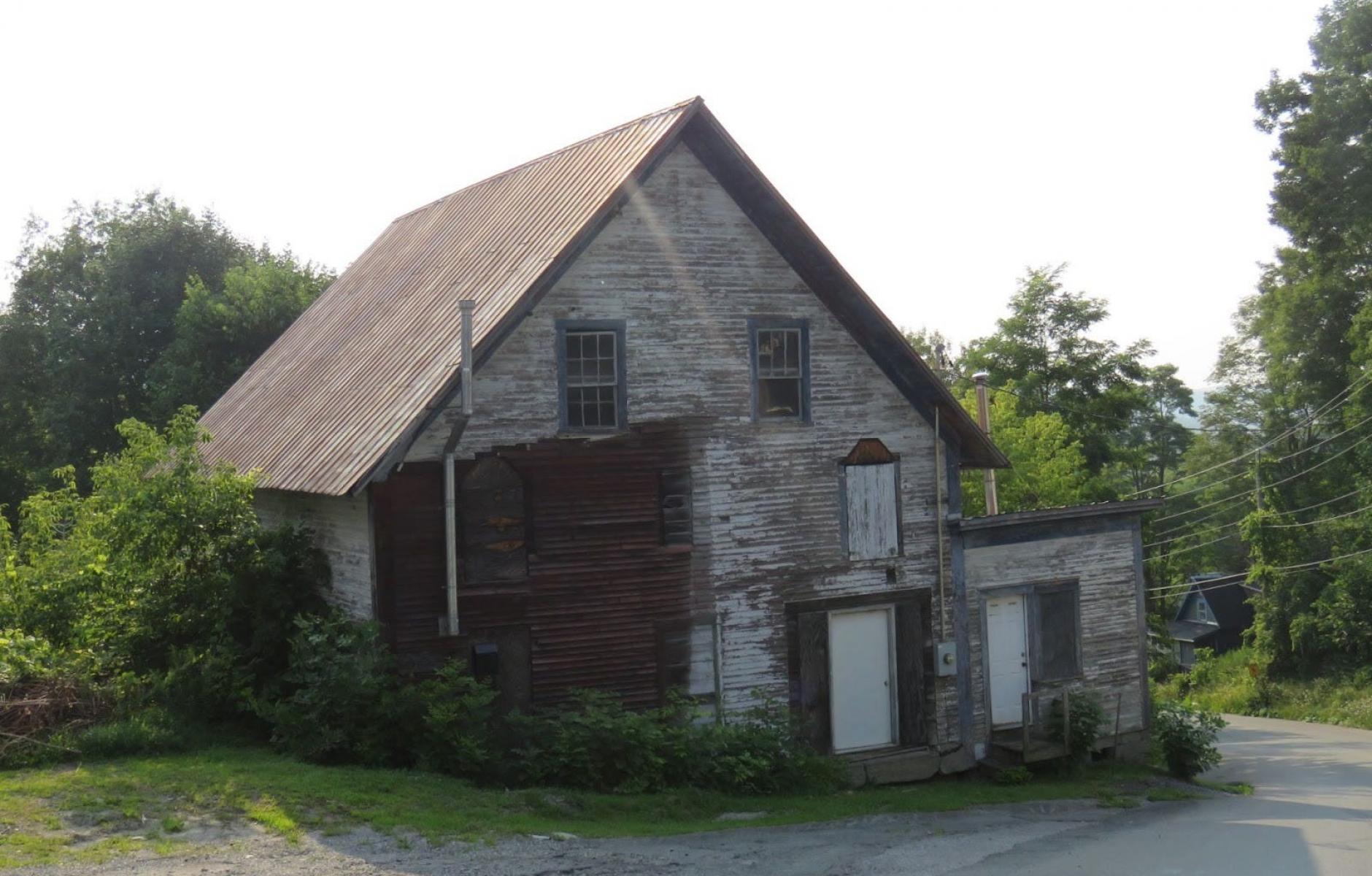
Though it might have a smaller population than any other state except Wyoming, since 2020, the Green Mountain State has also seen the sharpest increase in homelessness of any state. Home prices have ballooned, with a nation-leading 12.8 percent appreciation rate between 2023 and 2024. What’s behind this? In part, the sluggish rate of new home construction. A statewide housing needs assessment found that Vermont needs as many as 36,000 new homes built by 2029 to ensure home security for all residents, or 7,200 new homes a year. Only twenty-five hundred homes, a third of what’s needed, were built in the state in 2023—and that’s the highest the number has been in about two decades. That same housing assessment found that less than one-fifth of Vermont’s housing stock has been built in the past twenty years. A full quarter of Vermont’s stock was built before 1940. (For context, across America 27 percent of housing stock has been built since 2000, and 12 percent of them were built before 1940.) Those iconic, charming, peeling-paint cottage houses aren’t just the quintessential New England home: in Vermont they’re often the only option.
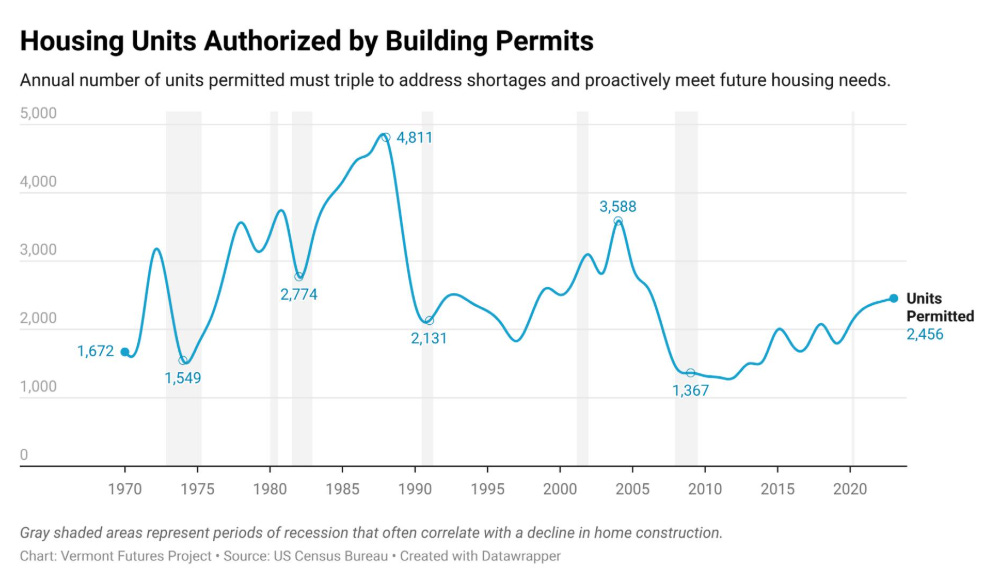
It wasn’t through chance or market forces that Vermont ended up in this situation- it can be attributed to a development-skeptical culture and a series of conservation-minded regulations, the most famous being Act 250. Passed in 1970 amid a wave of local concern that the state would lose much of its environmental quality and quiet character after it was connected to the interstate highway system, the Act is one of the most stringent development-review acts in the country. Should a proposed project in Vermont- of any nature- have content that subjects it to the Act’s jurisdiction, an application must be sent to one of nine District Environmental Commissions and the project put through a lengthy consultation and review process. This review process is a huge barrier for multifamily housing especially—the Act has authority over housing complexes with more than ten units and subdivision of a parcel into more than six lots, among others.
The intention of Act 250 is nominally to prevent rampant industrial activity and preserve the nature of Vermont’s unique landscape and townscape, and that it does- perhaps a little too well. Developers report that the Act is hard to act in observance with and it’s often hard for them to know what to do next, especially smaller developers who don’t have staff who can be devoted to Act 250 compliance specifically. Furthermore, as part of the Act’s review process a public hearing must be held if requested, which in effect is often used by development-negative locals to indefinitely stall or heavily reduce a project. The mix of bureaucratic hoops to jump through and a “vetocracy” where neighbors can easily nix projects has not made Vermont a desirable state for developers to work with, resulting in the trickle of housing development where a steady stream should be.
What’s next for Vermont?
Fortunately, there are potential solutions- both within the state and in similar situations around the country- and as the housing crisis mounts lawmakers get more and more ambitious. In California, a state with a similar political climate and history of environmental protection to Vermont, the landmark California Environmental Quality Act was rolled back this summer, exempting a huge category of urban housing development from lengthy environmental review. Vermont has itself experimented with cutting red tape, as Act 250 was recently amended with 2024’s Act 181. First and foremost, the changes append a “Land Use Review Board” of staff with background in law and planning to the consultation process to bring a much-needed urbanist familiarity. They also update the Act’s authority to a three-tier system with differing levels of oversight: designated “growth potential” areas where little to no Act compliance is required, ordinary land with normal regulations, and critical natural areas with improved protection. Given that the bottleneck in the Act 250 process is often waiting for project approval, many planners and developers wish to see a “shot clock” that allows projects to proceed if they aren’t reviewed with a time limit added as well. Time will tell if the recent reforms are enough to open the floodgates on house construction.
Each generation has its own challenges that it must face. In the mid- and late- 20th century, America woke up to the threat of environmental disaster and pollution and acted accordingly. Today, the climate crisis still looms, yet the newer problem of soaring house prices and construction costs has reared its head as well. Vermonters must work to find a better balance between the two problems to keep green mountain dreams coming true for everyone.
Note: This article first appeared in the ENU Exchange, a newsletter elevating the voices of emerging professionals in the New Urbanist movement. Subscribe to the newsletter.