
Will air taxis be an opportunity for urbanism?


The FAA has approved commercial trials of electric vertical takeoff and landing (eVTOL) craft, and most people are not yet aware of what they can do. These “air taxis” have propellers, so they can take off and land like helicopters, and wings like airplanes, and fly at a maximum speed of 200 mph. Six propellers and anti-collision systems potentially make them safer than helicopters, and they are virtually silent in operation. The all-electric vehicles are a bit like large drones that carry humans, with a pilot.
While they could be transformative for transportation, they will also affect real estate development, according to Ian Singer, the founder of The Village Project.
“Roughly once every 75 years, a new transportation technology emerges — the streetcar, the train, the automobile — and each one changes both where and how we live, with profound effects on our quality of life, our environmental footprint, and everything else we care about,” Singer says. Air taxis are such a technology, he argues.
The technology has the potential to create sprawl, because it would make long commutes much shorter. But Singer believes eVTOLs would work better with compact urbanism and, with good planning, could result in the development of mixed-use villages or neighborhoods.
An entrepreneur based in San Francisco, Singer is betting that New Urbanism is the ideal form for development of these properties. “This would be better to happen in a village rather than sprawl. The reality is that you can't have aircraft landing by everyone's door. You need a central landing space,” which could be walkable to more housing in a village design.
Singer is working with longtime New Urbanist Michael Watkins on designs and seeking deals around major metro areas, including New York, Miami, Seattle, Northern California, Washington, DC, and Vancouver. Singer became familiar with New Urbanism because he grew up in Northern Virginia and had friends who lived in Kentlands in Gaithersburg, Maryland. He also lived for a time in Las Catalinas, a TND built by Charles Brewer in Costa Rica. Singer worked at Joby Aviation, which has developed eVTOLs.
“We are currently under contract for land in Florida but have not closed yet, so we cannot share anything publicly,” he said. He described the Florida site as previously designed according to New Urbanism principles but never built.
When sites are far from downtown or difficult to access, land prices are lower. Yet such pieces of land will become more viable for development when they can reach job centers in major metro areas in a short period of time.
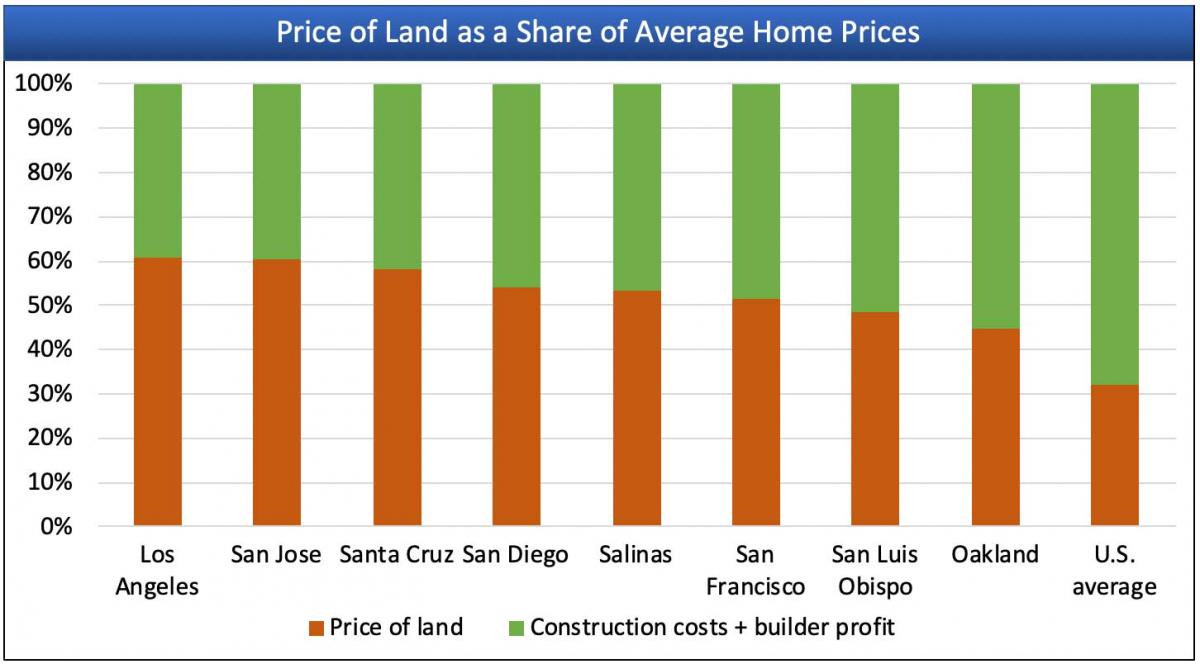
Much of the affordable housing problem is linked to land prices. In some major US metro areas, the price of the underlying land accounts for 50 to 60 percent of a home’s value. The US average figure is 30 percent. We have been sprawling for so long that huge swaths of land have been developed around metro areas—and the values of that land have risen accordingly. Few people want to commute for an hour or two to get to cheap land. Significant pieces of that land could come into play with air taxis. Singer acknowledges the danger of air taxis creating pure sprawl. He wants to avoid that mistake with The Village Project.
To begin with, he is looking for prime spots to prove the concept. This includes sites where entitlements are already attained, or at least are significantly easier to obtain. A New Urbanist plan in the Miami region that has been designed, but not yet developed, would fit that bill.
An important long-term question is this: If eVTOLs do become a significant new transportation technology, how will New Urbanists respond?