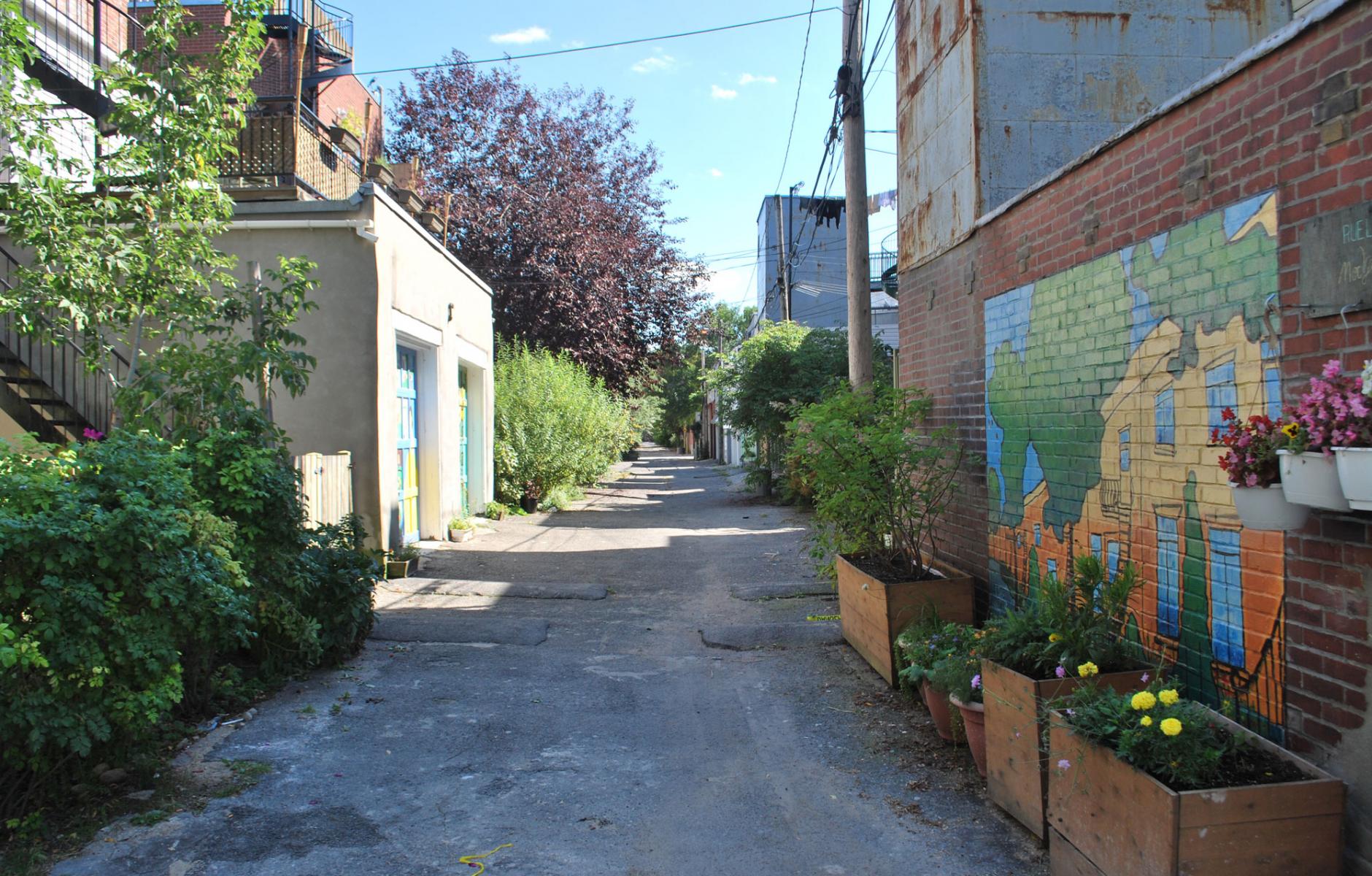
Keep the lanes open


Public Square recently published an article on the opportunities presented by alleys and rear lanes, and many reactions to that piece showed that prejudice against alleys persists among many public officials. The piece by Dillon Colbert described St. Louis, a US city with a wealth of alleys, and how many of those alleys have been “vacated” over the years—i.e., returned to private ownership.
In response to the article, one planner in a mid-sized Ontario city reports: “In my city there is a push to remove most things from the alleys in an effort to close them. We've pushed garbage and recycling to the street, while alleys remain mostly vacant. The city no longer ploughs snow, or maintains the asphalt and alleys are increasingly becoming more inaccessible.”
A planner from Maryland reported that he has encountered “intense backlash” against any proposals to develop the narrow back alleys in his city, and that officials believe that alleys were never intended for the general public to use—only for private access by the property owners.
I think it is a huge mistake for public officials to vacate, close, or limit the public right-of-way for lanes and alleys, as they represent an undervalued asset that is being rediscovered as cities embrace “missing middle” housing types—particularly accessory dwelling units (ADUs).
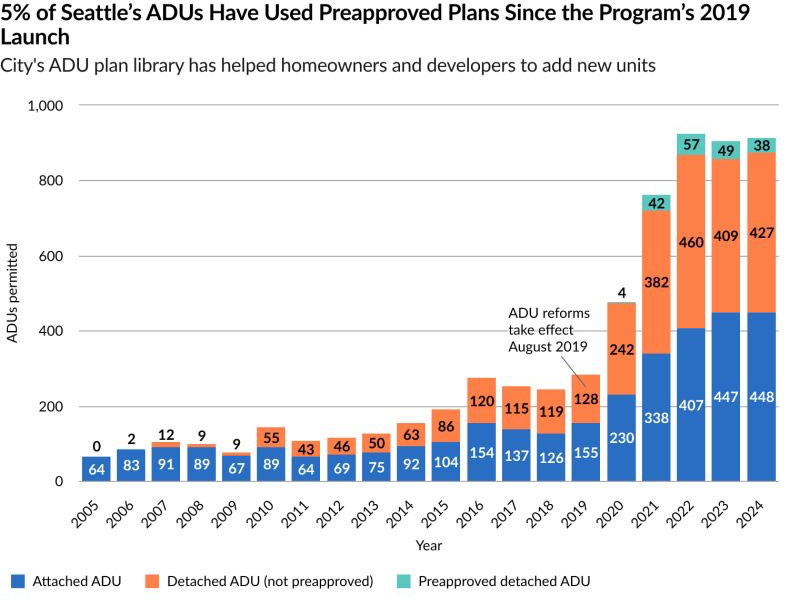
A graph caught my attention this morning from a LinkedIn post. Like California, Washington State legalized ADUs in 2019 and saw a huge number of them come under construction in Seattle. The post highlights the fact that Seattle has a pre-approved plan program for ADUs, which I fully support, but that program has been used for only about 5 percent of the ADUs under construction this decade—which has amounted to about 950 a year in Seattle, an astounding number in a city of 784,000 people. So what accounts for such construction? Clearly, it is financially advantageous to build ADUs, and the city is doing a good job in promoting this building type. But also, Seattle is a city with a wealth of alleys.
It’s a lot easier to build an ADU if there is frontage on an alley or lane, and the unit can have a separate entrance that doesn’t have to be accessed through the property of the main house. The construction itself can be simplified if there is an alley and equipment and materials don’t have to be transported along a driveway and through a yard.
ADUs can be built in cities without alleys, but the cities that have seen the largest numbers have alleys and lanes. Another example is Los Angeles, which a Google search reveals has 900 miles of linear alleys. According to California YIMBY, approximately 8,000 ADUs were built in LA from 2016, when they were legalized, and 2022.
Not all traditional US cities and towns have service alleys, but many of them do. Cities with loads of alleys include Denver, St. Louis, Detroit, Chicago, Indianapolis, Memphis, Nashville, Sacramento, Phoenix, Kansas City, Long Beach, Birmingham, San Antonio, Milwaukee, Minneapolis, Savannah, Washington DC, Cleveland, Tulsa, and many other places small and large (and this is just from a quick review on Google maps). Chicago reportedly has 1,900 miles of alleys.
Many of these alleys are neglected and poorly maintained, and I can understand why people think they are of no value. In the era of suburban expansion in the second half of the 20th Century, alleys were a forgotten part of the built environment. Nobody was building them, and they were considered obsolete. New urbanists pulled them out of the planning dustbin and showed how useful they could be in improving the frontages along streets. Alleys and lanes could be the locus of undesirable elements like garage doors and off-street parking, trash collection, and utility boxes.
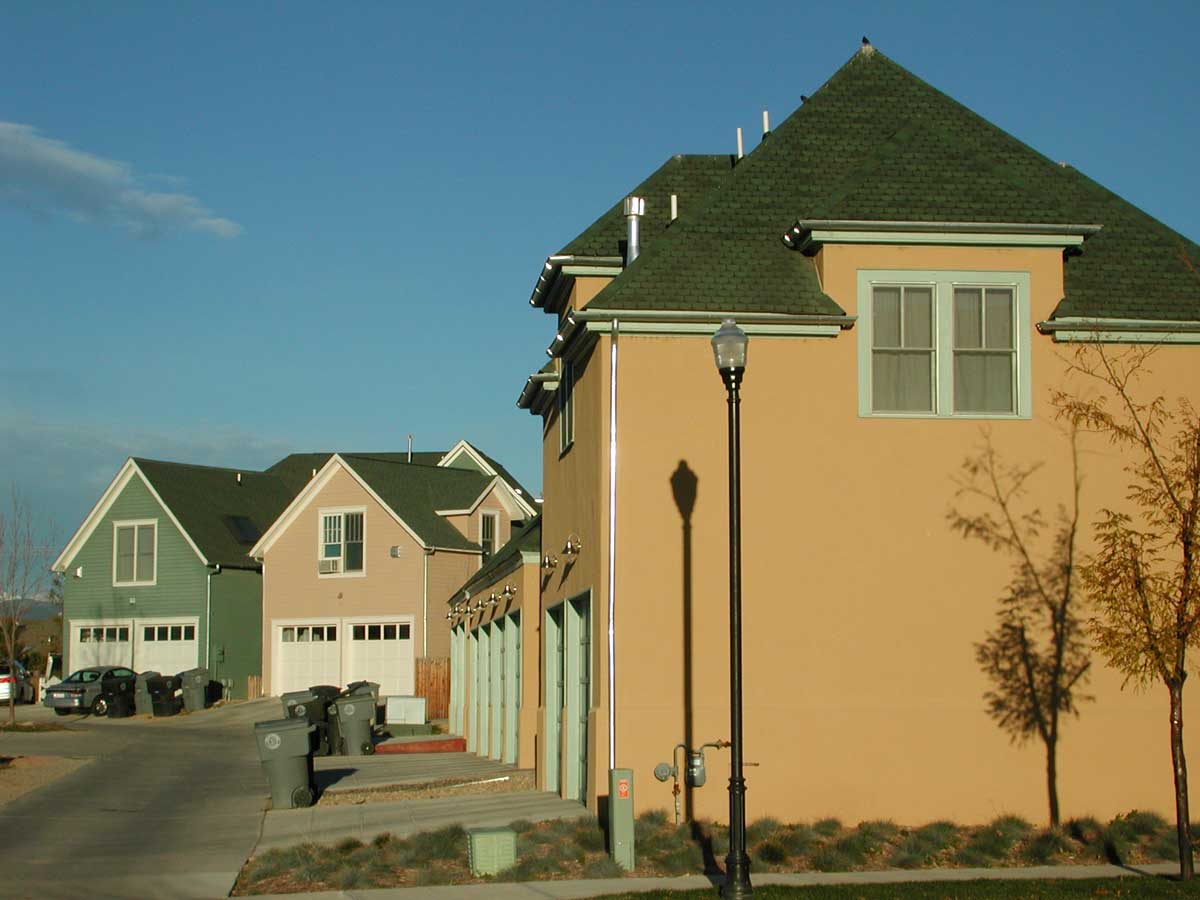
But alleys and lanes serve more positive purposes as well—paradoxically, they have a reputation as among the most social places in traditional neighborhood developments, where children play, where neighbors meet neighbors. They are also great for ADU construction and other types of missing middle housing.
Alleys provide frontage, and frontage is a precious and under-appreciated commodity for cities. As urbanist Paul Knight with Historical Concepts has shown, frontage, or public right-of-way, is one of the most enduring parts of cities, lasting millennia. That’s true even if alleys are often reserved for the uglier activities of cities, such as parking or trash collection. I’m fairly certain that during the era of suburban expansion, alleys were not treasured in LA or Seattle, but the adoption of ADU legislation is bringing out their hidden benefits.
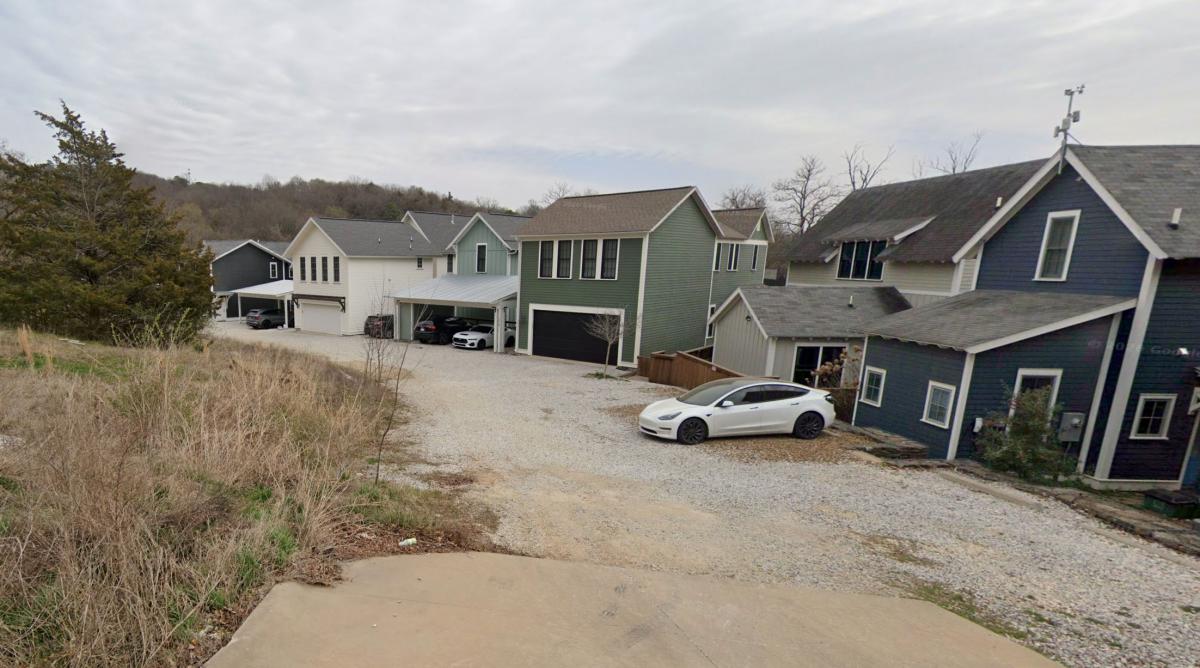
One of the great things to see in recent years has been the creative mid-block urbanism designs that make use of alleys. The Ember in Edmond, Oklahoma, a Pocket Neighborhood, is a great example. Edmond has alleys. Cottage courts are a building type in which many creative designs are emerging, and they frequently use alleys.
So cities with alleys: They may look ugly; they may be overgrown; they may not look like they are being used extensively; they may seem like a thoroughfare from a different time. But wait until the state adopts legislation legalizing ADU construction. Wait until you have a strong design-build incremental development community emerge in your city. It might be soon; it may be in 10 or 20 years. Those alleys are going to come in very handy.