-
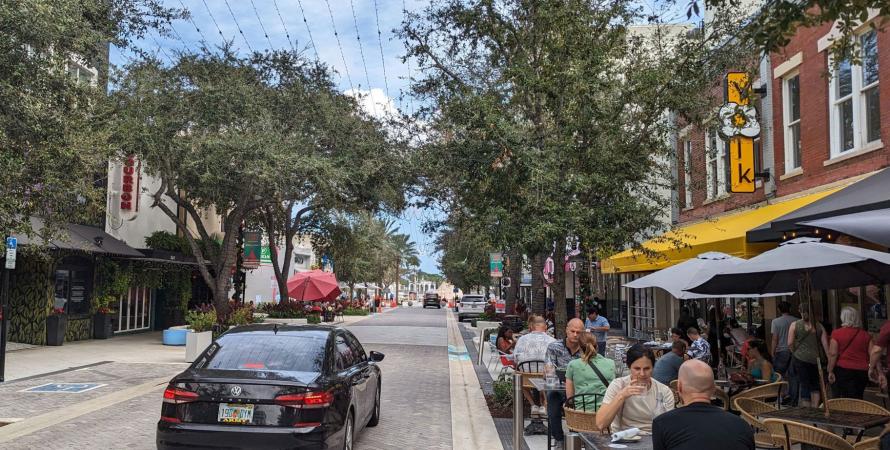
How much do your streets design YOU into them?
The key to safer and more pleasant streets that add value to downtowns is to slow traffic.Nearly all of us have had the experience of feeling unsafe walking down the street as cars zip by, or noticed some higher-than-desired speeds in our neighborhoods. Commenting about a lack of pedestrian and bicycling infrastructure, and high car speeds is a perennial statement at community meetings...Read more -
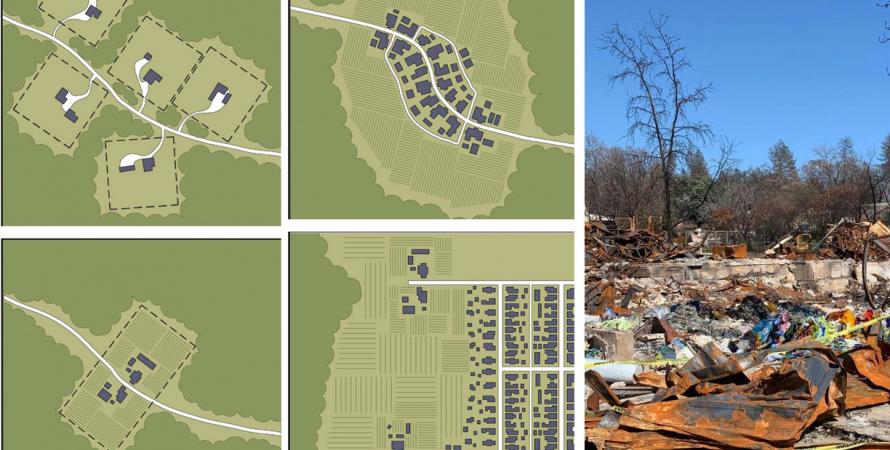
Compact urbanism more resilient than sprawl
We can lower our vulnerability to climate change by promoting more compact, walkable communities instead of sprawling development.Climate change is not just a problem of carbon in the atmosphere and its impacts. It also relates to the built environment. Because, as temperatures and sea levels have risen over the last century, we have made ourselves more vulnerable by building sprawl. Automobile-oriented development tends to...Read more -
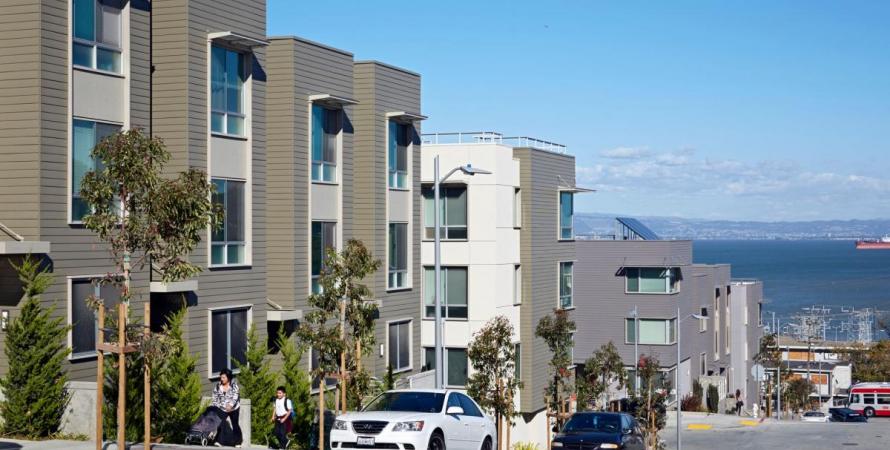
An agenda for the housing crisis
A Delaware Senator, Lisa Blunt Rochester, offers wide-ranging solutions to the US housing problem.The New Way Home Agenda , a report by US Sen. Lisa Blunt Rochester (D-DE) on solutions to the US housing crisis, is a remarkably common-sense document on a complicated issue—the kind that an individual senator or member of Congress doesn’t often produce. The 35-page document released last week...Read more -
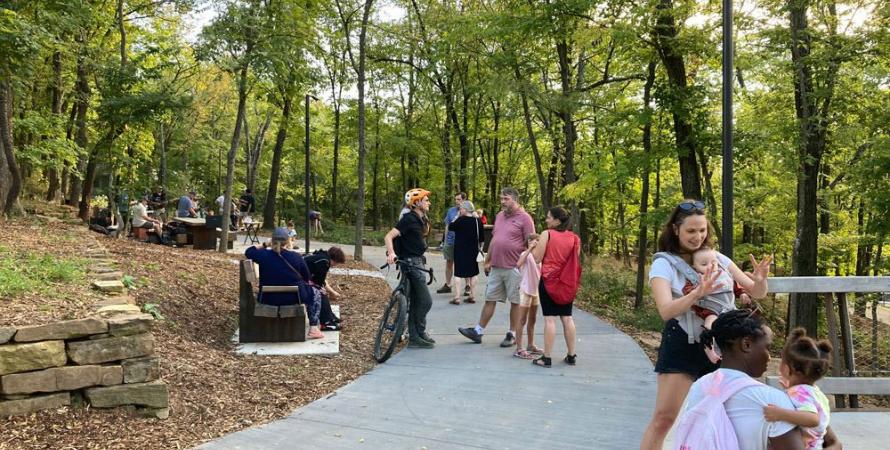
In the Ozarks, a greenway inspires change
The Razorback Greenway and a Design Excellence Program are transforming the small cities of Northwest Arkansas.Northwest Arkansas (NWA) is a unique metropolitan region—without one dominant city. Instead, the rapidly growing Ozark Mountain area is centered on four small cities stacked south to north—Fayetteville, Springdale, Rogers, and Bentonville. The valley is linked by Interstate 49, which provides good...Read more