-
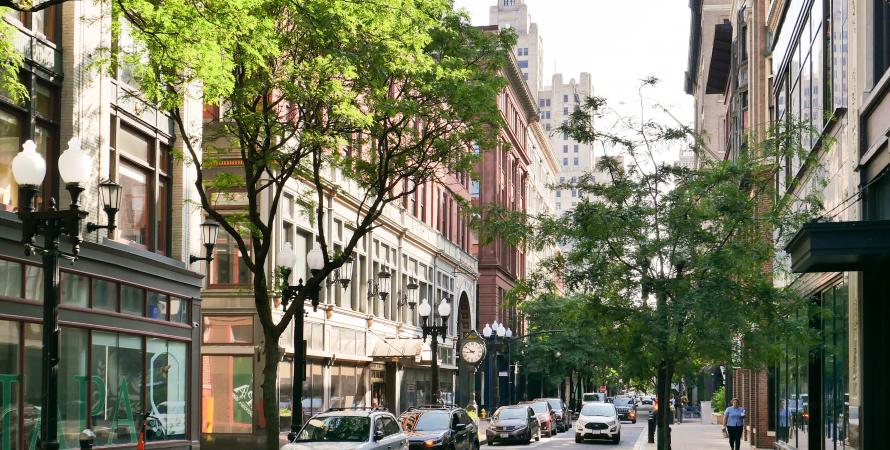
We plan cities backwards
Cities should be designed around what is most permanent, especially streets, where the stakes of getting them right are highest.Cities endure for millennia, but not everything in them is equally durable. Streets, public spaces, monuments, and boundary lines that face the right-of-way—major aspects of the public realm—survive for hundreds or thousands of years. Land uses, landscaping, traffic signals, signage, and lighting...Read more -
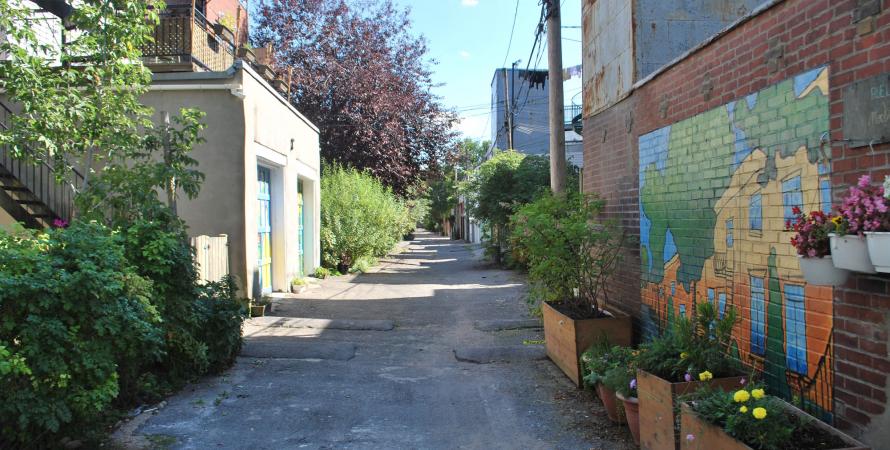
Keep the lanes open
Many cities undervalue rear alleys and lanes. Some are allowing these public rights-of-way to revert to private ownership. This is a mistake, as the recent surge in ADU development demonstrates.Public Square recently published an article on the opportunities presented by alleys and rear lanes, and many reactions to that piece showed that prejudice against alleys persists among many public officials. The piece by Dillon Colbert described St. Louis, a US city with a wealth of alleys, and...Read more -
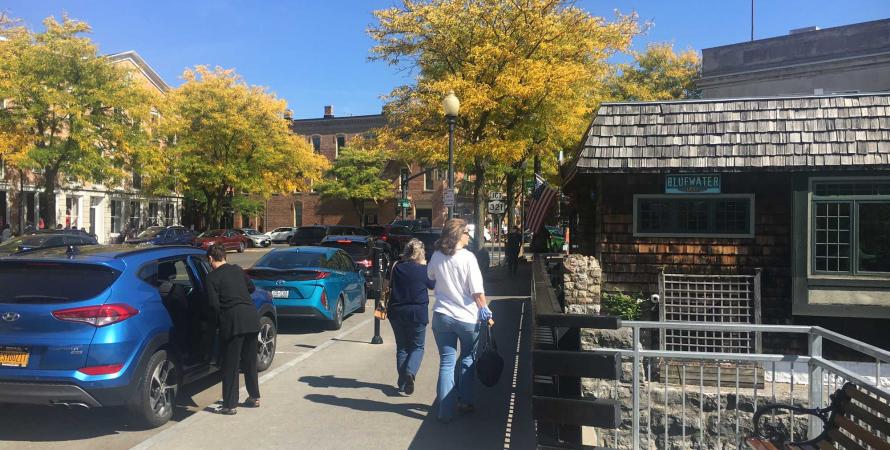
A village starts with a street plan
A town near me is looking to build a mixed-use waterfront village—a street plan could be the key to achieving that goal.A recent Substack piece, “ How to Build a Village ,” caught my attention because it features a site near where I live. The “village style” plan in Clay, Onondaga County, New York, was highlighted by planner, ex-mayor, and writer Bill Fulton ( The Future of Where , which I highly recommend). Clay is...Read more -
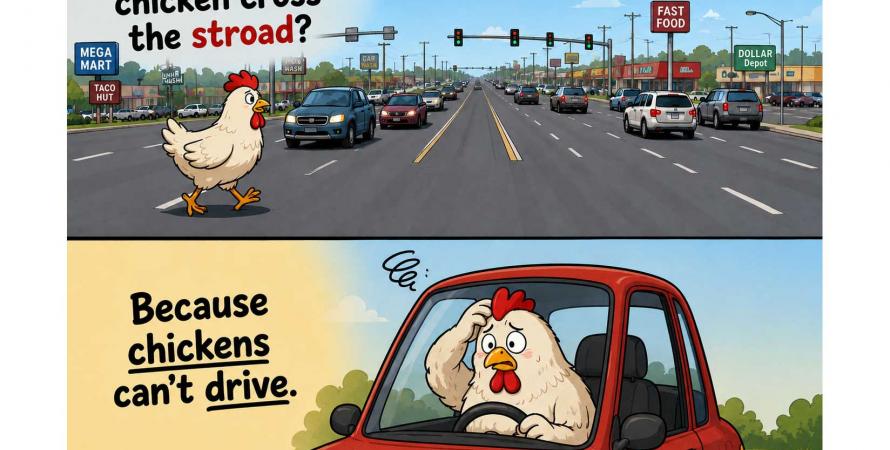
Why did the chicken cross the stroad?
Today, just for fun, I offer a slight twist on an age-old question. The question above was posed on an urbanist listserve, and this was my answer: Because chickens can't drive. Stroads are dangerous and unpleasant; no proverbial chicken would cross the stroad if it had a choice in the matter.Read more