-
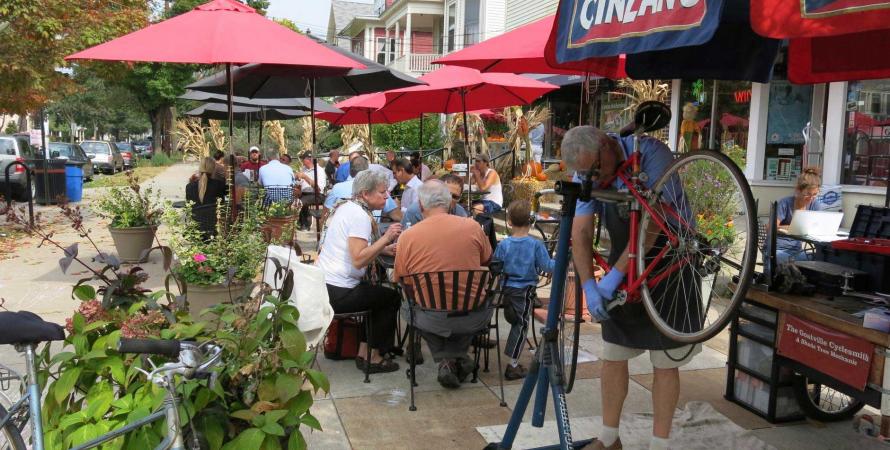
Living in a walkable place reduces dementia
If you want to keep your marbles as you age—it pays to live in a place where you can walk, ride a bike, and move naturally.We should be planning and developing walkable neighborhoods for many reasons—rather than promoting car-oriented subdivisions, which have been the default method of outward city expansion for seven decades. New studies come out all the time, all pointing in the same direction—walkability benefits...Read more -

Health and planning for quality of life
In addition to heavy smoking and drinking, lack of social connections and physical activity are primary factors in dying sooner. The latter two deficits can be addressed by community planning focusing on quality of life and walkability.“Quality of life” is an elusive concept that people want in their communities but is often undervalued by planners because it is difficult to measure. However, there are clear ways that planners can boost quality of life, adding years to people’s lives and improving happiness, argues Todd Litman of...Read more -
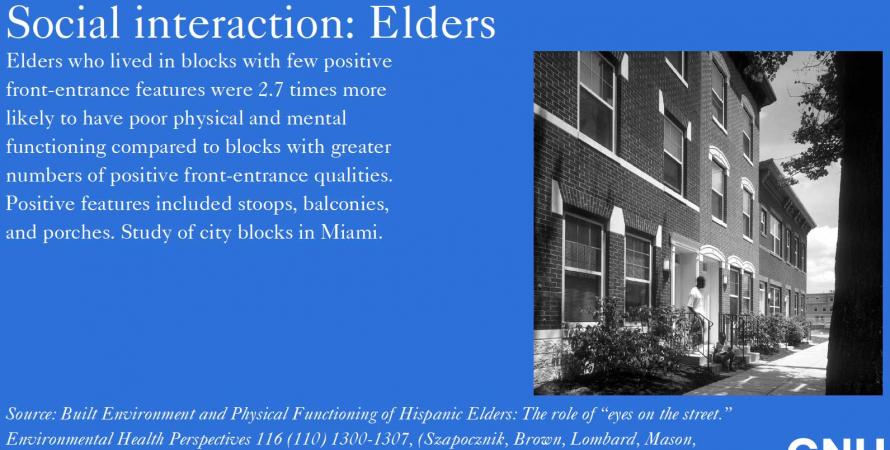
Why build a stoop or porch?
Urbanists emphasize front-entry features like stoops and porches, which appear prominently in form-based codes—whereas they are less important or rarely mentioned in conventional zoning. Urbanists place high importance on frontage features because they transition people from the public to the...Read more -
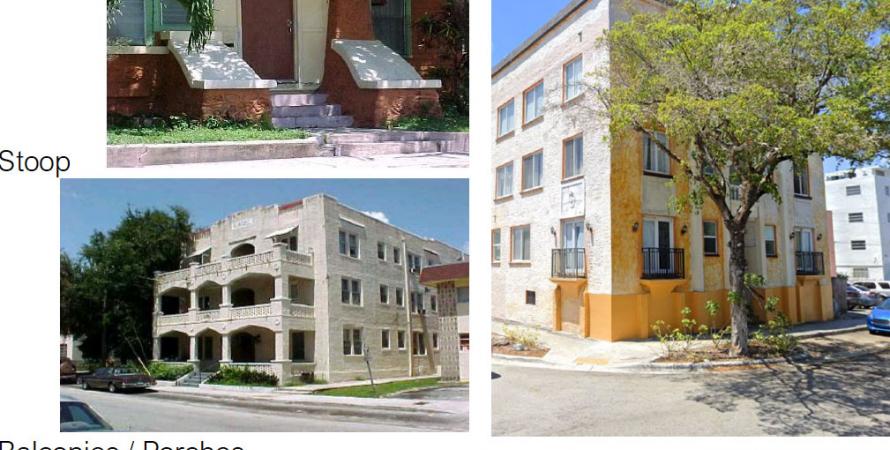
How walkable places lead to healthier people
Speck and Lombard outline the best research on how the built environment and health in CNU’s On the Park Bench.Twenty years ago, Urban Sprawl and Public Health was published, marking a watershed in our understanding of how the built environment impacts human well-being. The book by Jackson, Frank, and Frumkin explained the science of how walkable places are better for your health than living in sprawl—and...Read more