-

Revisiting the Pantheon
Author's note: My first visit to the Pantheon was fifty years ago. In the decades since, I have returned many times, and with each visit this extraordinary work of architecture and urbanism continues to reveal something new. I have drawn and studied the Pantheon repeatedly, returning to it as one...Read more -
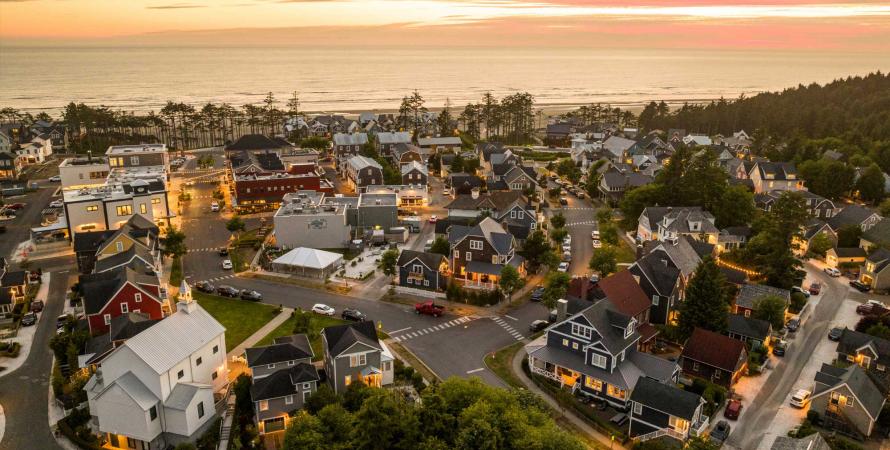
Building a town on a shoestring budget
The requirement to be efficient and economical, and to minimize financial risk, has contributed to the character of the Charter Award Grand Prize-winning town of Seabrook.Seabrook is one of the outstanding new towns built by New Urbanists, deserving recognition alongside places like Seaside, Florida, but fewer people have seen it because of its relative isolation on the Washington coast. This year, Seabrook won the Grand Prize in the Charter Awards, and an On the...Read more -
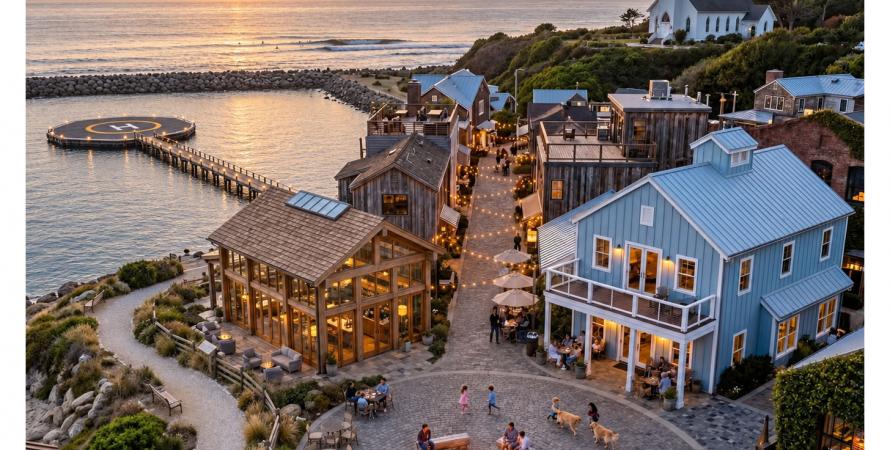
Will air taxis be an opportunity for urbanism?
A transformative transportation technology, eVTOLs, is coming soon, which is the reason behind The Village Project.The FAA has approved commercial trials of electric vertical takeoff and landing (eVTOL) craft, and most people are not yet aware of what they can do. These “air taxis” have propellers, so they can take off and land like helicopters, and wings like airplanes, and fly at a maximum speed of 200 mph...Read more -
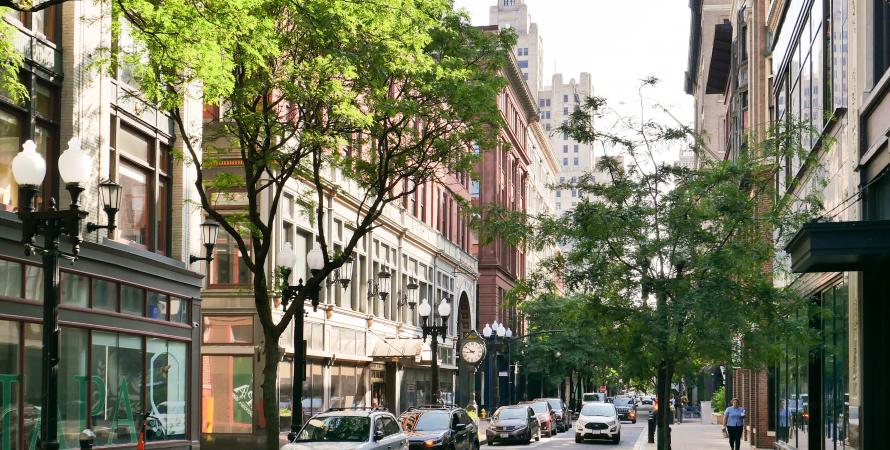
We plan cities backwards
Cities should be designed around what is most permanent, especially streets, where the stakes of getting them right are highest.Cities endure for millennia, but not everything in them is equally durable. Streets, public spaces, monuments, and boundary lines that face the right-of-way—major aspects of the public realm—survive for hundreds or thousands of years. Land uses, landscaping, traffic signals, signage, and lighting...Read more