The historic city crime drop is an opportunity for urbanism


A spike in violent crime in the last 10 years, especially in the first two years of this decade, has not been good for US cities. Cities like Philadelphia and Chicago, which gained momentum and population growth in the 2010s, began to recede again as families moved to the suburbs.
At the same time, we have a national housing affordability crisis. Home prices have surged nationally by nearly 50 percent since 2019, and many young people come out of college or get full-time jobs, believing they could never afford to buy a house.
But now we have reports of a “historic and substantial decline in nearly every major crime category” in 2025, which is good news for cities and, if the trend holds, could have a significant impact on the housing market. Contrary to public perception, the US has a large reservoir of attainable housing in cities large and small, but much of it is unappealing to young households because of perceived crime and disorder, including the visibly poor maintenance of buildings, landscaping, and the public realm.
That’s because buying a house is not just about shelter; it’s an investment both financially and in your life. Affordable neighborhoods are plentiful in many cities, but they are not viewed as an option when there is no sense that they are getting better. A dramatic drop in urban crime will open up opportunities for homeownership in many neighborhoods, because there will be a sense that things are getting better. To be clear, this is not the solution to the housing crisis. We also need more housing of many different types, strategies and policies to reduce the cost of construction and entitlement, and subsidies for dedicated affordable housing. Also, the change in perception will not happen overnight. It will take years for the perception to catch up with reality—but any response to housing affordability will take time.
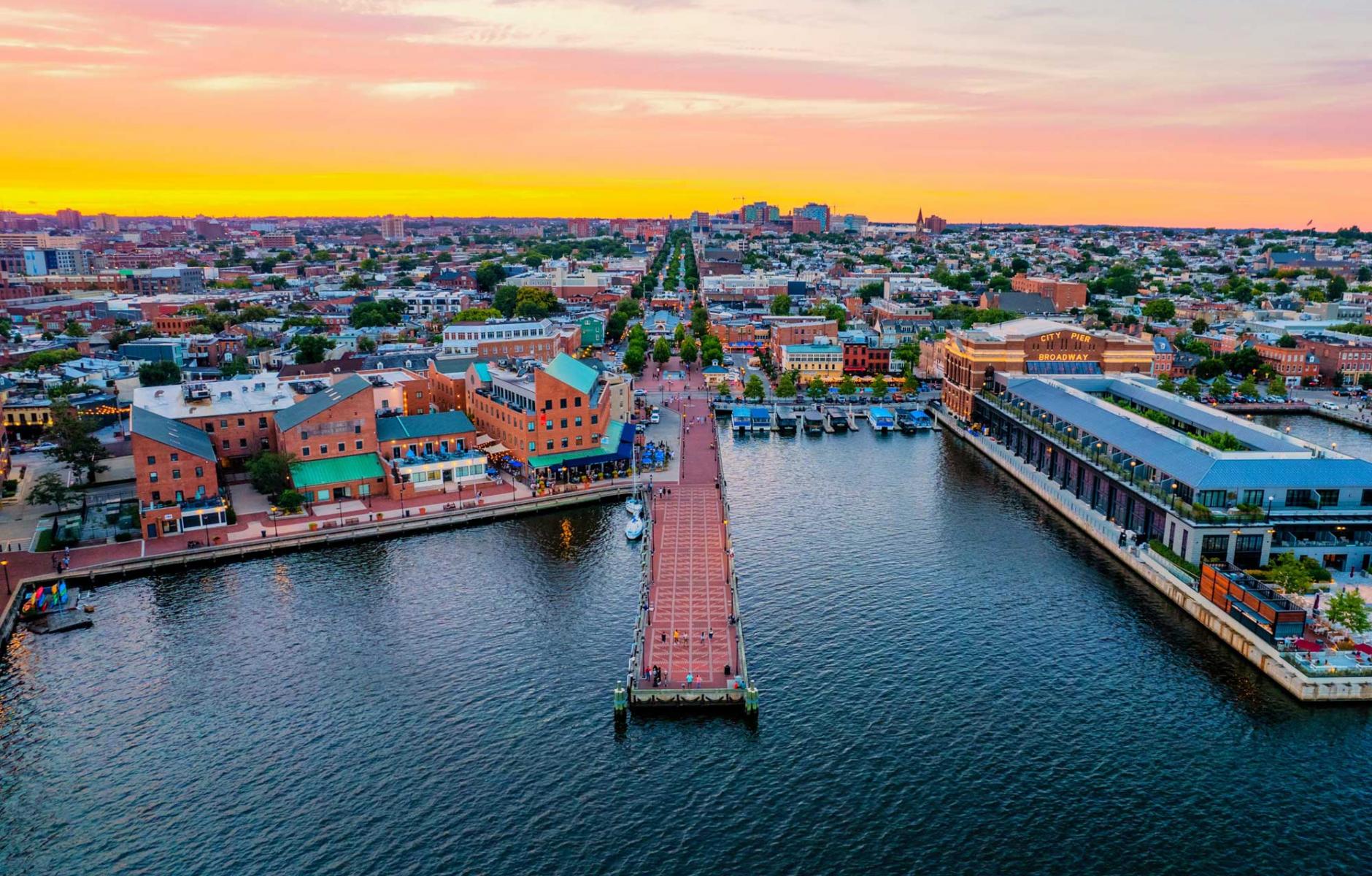
The median home price in the US is $422,000 (April, 2026). In Philadelphia, the median price is about $270,000. In Baltimore, the median is about $230,000. In Chicago, it is about $365,000. In Camden, just across the river from Center City Philadelphia, the median price is about $150,000. In Syracuse, New York, near where I live, the median is around $190,000. The City has a handful of more expensive neighborhoods, but most neighborhoods have an abundance of housing even less expensive than the median, yet nobody is lining up to buy it. In hundreds of other cities, attainable housing is fairly plentiful. Most of these cities suffer from the perception that they are less safe than their suburbs—a situation that did not improve for many years. Few households want to build their lives in a neighborhood with persistent problems.
There is also substantial affordable housing in rural areas, but these places have few or no jobs and often offer little in terms of activities and lifestyle. The cities I mention do have access to jobs within a reasonable commute. That’s why the crime news is important. According to a report from the Council on Criminal Justice, 2025 is poised to record the largest single-year drop in homicides in American history. Based on data from 40 large US cities, most offenses fell significantly in 2025 compared to 2024. Here are some key crime statistics the group reported earlier this year.:
- Homicide: Declined by 21 percent on average. Projections suggest the national rate could drop to 4.0 per 100,000 residents, the lowest recorded level since 1900.
- Violent Offenses: Significant reductions were seen in carjackings (-43 percent), robbery (-23 percent), and gun assaults (-22 percent).
- Property Crimes: Reported motor vehicle thefts plummeted by 27%, finally reversing a surge that began in 2020. Other declines included residential burglary (-17 percent) and larceny (-11 percent).
- Exceptions: Drug offenses were the only category to see an increase, rising by 7 percent from 2024 levels.
- New York City celebrated its safest year for gun violence in recorded history. Homicides fell by 20 percent, though reported rapes rose by 16 percent (partly due to a 2024 redefinition of the offense).
- Baltimore experienced a massive 60 percent drop in homicides compared to 2019 levels, the largest long-term decline in the study.
- Chicago recorded a 28.8 percent decrease in murders through December 2025.
- Washington DC saw a sharp reversal of its 2023 spike, with homicides down 40 percent in 2025.
These trends are also evident in many mid-size or smaller cities. Camden NJ reported its lowest number of homicides in more than 40 years. The city’s 12 killings were down from 17 in 2024, which was a significant decline from 30 in 2023. Compared to where Camden was a decade or two ago, when the City’s homicide rate was as high as some third-world countries, the difference is like night and day. This is remarkable because the city of 71,000—less than half its peak population in 1950—has defied numerous revitalization efforts for more than 30 years. The state invested in a waterfront culture and entertainment district, Rutgers University built a sizable campus, and a hospital district has emerged, but these are all islands of prosperity surrounded by disinvestment. In theory, the city should be attractive due to its quick transit connections to Center City Philadelphia, right across the river. But its reputation for high crime prevented Camden from gaining any critical mass.
Syracuse, the city of 150,000 people in Upstate New York, is my home, so I am very familiar with it. Syracuse recorded 14 homicides in 2025, marking the lowest total in over a decade and a significant decrease in violent crime, according to reports in early 2026.
Syracuse is like the hole in the donut of the region. It is closest to jobs and many amenities, and it has abundant housing, yet housing demand there is very low compared to the surrounding towns. The region’s housing costs are relatively affordable, but inside the city, they tend to drop off a cliff. There’s considerable vacant land in the city, but the values don’t support new housing development.
If the crime statistics indicate a long-term trend, the Syracuse market will begin to respond. Rising values would result in investment in homes and landscaping and, eventually, new development. If the market changes radically over many years, and housing becomes unaffordable, that would bring a new set of problems. However, the City is a long way from that problem. In the meantime, it would be good if city neighborhoods once again became attractive to first-time buyers, thereby opening this inexpensive housing to a larger market.